
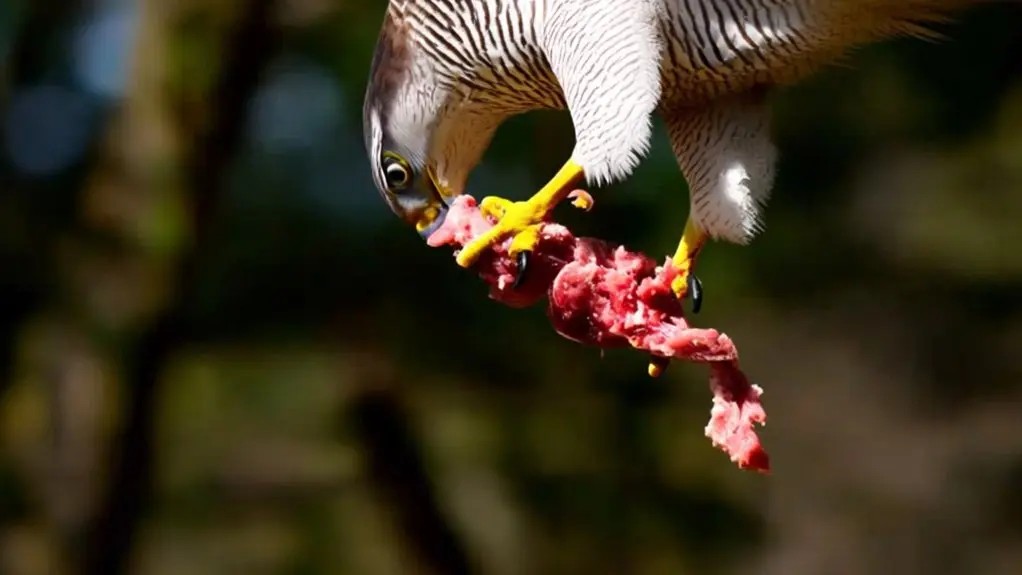
You can feed birds meat safely if you know which species naturally eat it and why it matters. Meat supplies essential protein, amino acids, and energy crucial for their health, especially in cold or migratory conditions.
However, giving the wrong or contaminated meat risks infections and lead poisoning, causing serious neurological and physical issues. Choosing lead-free, fresh, unprocessed options and appropriate alternatives guarantees bird well-being.
Understanding these details will help you recognize and manage related health concerns effectively. So, it’s really about knowing what to offer and why it’s important for their health.
Birds That Naturally Eat Meat And Why It Matters
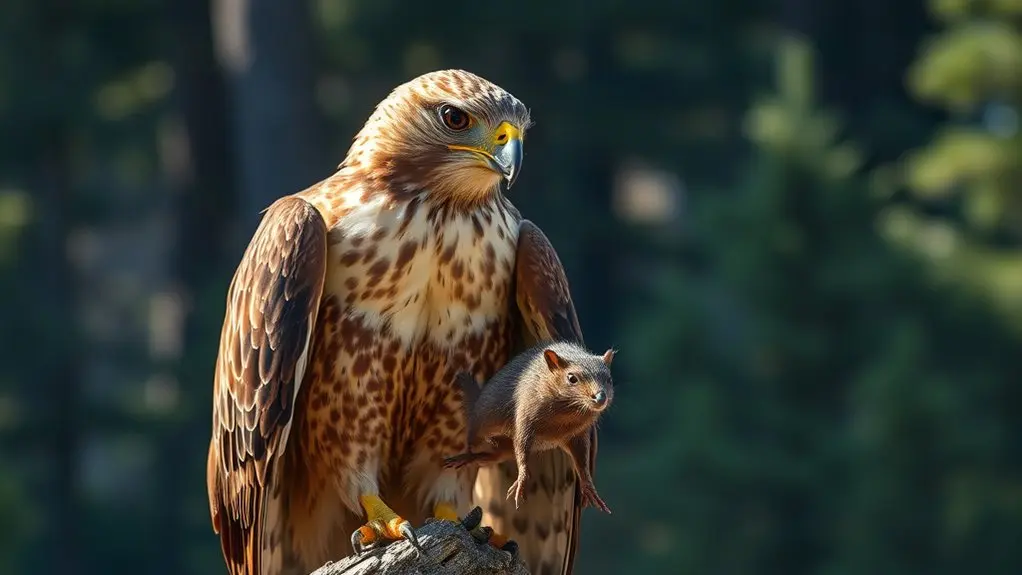
Although many people associate birds primarily with seeds and insects, numerous species like hawks, eagles, owls, and falcons naturally eat meat as their main food source. You’ll notice these birds possess specialized anatomical features, such as sharp, hooked beaks and strong talons, optimized for capturing and consuming prey.
Their digestive systems efficiently process animal tissue, ensuring nutrient absorption critical for survival. Understanding which birds are carnivorous helps you appreciate their specific hunting behaviors, habitat preferences, and ecological roles as predators.
This knowledge matters because it guides conservation strategies and informs dietary management for both wild populations and captive birds. Recognizing natural meat consumption patterns allows you to support their health and ecological balance without disrupting their evolutionary adaptations.
How Meat Provides Essential Nutrients And Energy For Birds
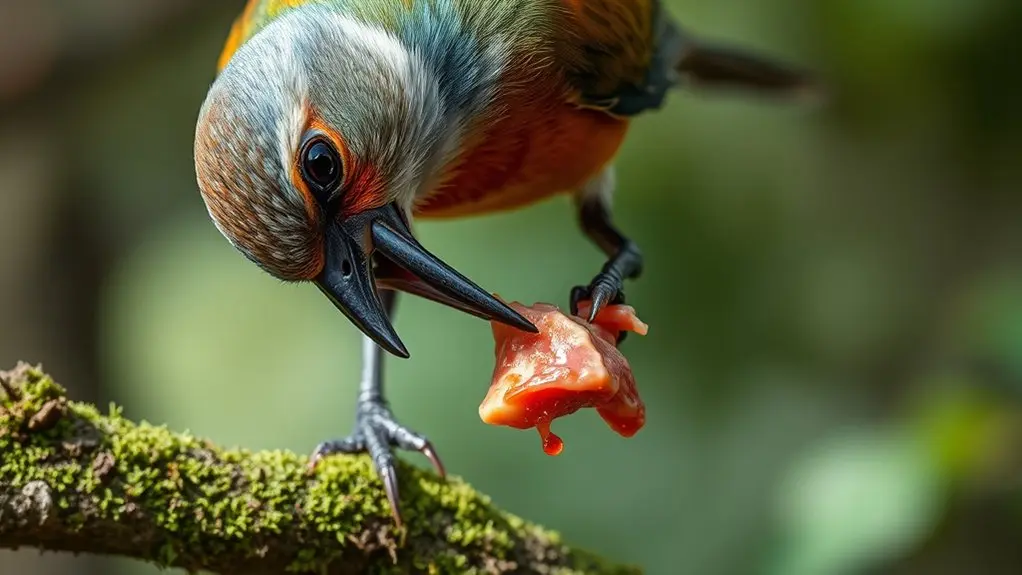
Knowing which birds rely on meat helps explain how animal-based food supports their physiology. Meat provides birds with high-quality protein, essential for muscle growth, feather development, and tissue repair.
Meat offers birds vital protein needed for muscle growth, feather health, and repairing tissues.
It supplies crucial amino acids like lysine and methionine, which are critical for metabolic functions and overall health.
Plus, meat’s fat content offers a concentrated energy source. This energy helps birds stay active during cold weather and migration.
Insects and small animals also deliver key nutrients such as iron, zinc, and vitamin B12, which are hard to find in plant-based diets.
By adding small amounts of meat or insects—especially during times of food scarcity or when energy demand is high—you help birds keep their bodies in top shape.
This support is vital for their survival in tough environments.
Health Problems From Feeding Birds The Wrong Meat
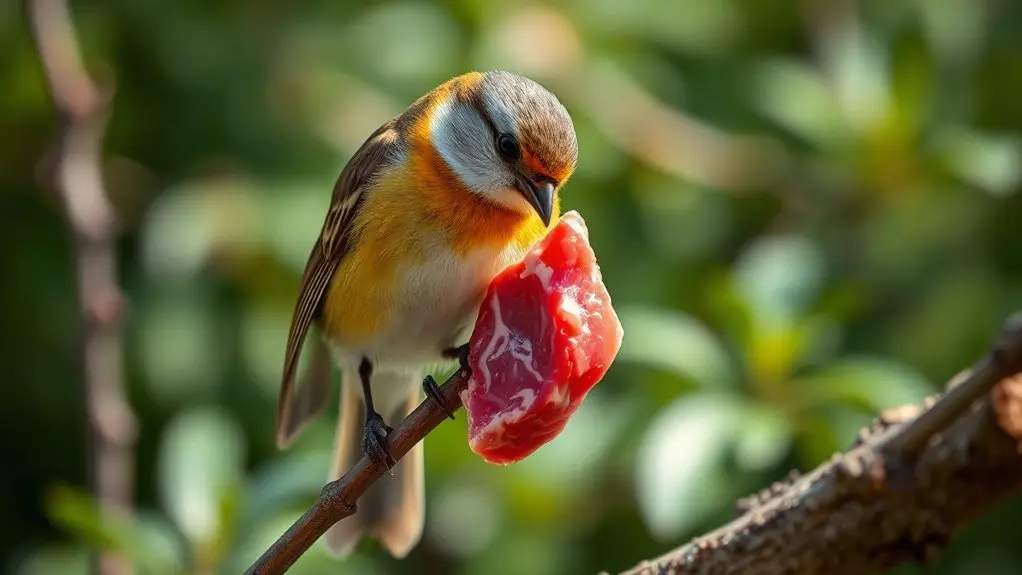
You should avoid feeding birds meat that contains lead because it can cause severe poisoning and neurological damage. This kind of contamination is really harmful to them.
When birds eat inappropriate meat, it can mess up their natural behaviors. That means their feeding habits and social interactions might get affected.
Over time, these health problems can become chronic.
Unfortunately, this can lead to a shorter lifespan for the birds. So, it’s best to be careful about what meat you offer them.
Lead Poisoning Risks
Several key health risks arise when birds consume meat contaminated with lead, a toxic metal found in substances like lead shot and old lead-based materials. Lead poisoning impairs neurological, digestive, cardiac, and visual functions. It often causes permanent brain damage and visual deficits.
Even low-level exposure disrupts muscle coordination and cognition. This leads to symptoms such as stumbling and wandering, which increase vulnerability to predators. Cardiac lesions and muscle paralysis further reduce survival chances.
Chronic ingestion results in long-term health decline and elevated mortality. This is particularly threatening to wild and endangered birds. You should understand that lead-contaminated meat poses a severe threat to avian health and reproduction.
Avoid feeding birds any meat potentially containing lead to prevent irreversible damage and population declines caused by this toxic metal. It’s important to keep birds safe from this danger.
Behavioral Impairments
Although birds may consume meat instinctively, feeding them the wrong type can trigger a range of behavioral impairments linked to neurological and physiological dysfunctions.
When you provide inappropriate meat, birds can develop digestive issues and nutritional imbalances that disrupt normal brain function. You might observe disorientation, stumbling, or aimless wandering—symptoms of neurological impairment.
Spoiled or contaminated meat introduces pathogens that weaken immune responses, increasing vulnerability to predators.
Additionally, improper diets interfere with muscle function, diminishing a bird’s ability to forage, fly, or evade threats effectively. These behavioral abnormalities not only compromise immediate survival skills but also reflect underlying physiological distress.
Recognizing these signs early is vital, as continued feeding of unsuitable meat exacerbates impairments. The full scope of permanent damage will be discussed later, so keep an eye out for any unusual behavior and act quickly.
Long-Term Health Effects
When birds consume the wrong type of meat over an extended period, they often develop serious health problems that affect multiple organ systems. Feeding processed, spoiled, or additive-laden meat can cause infections, toxicity, and allergic reactions.
You risk inducing nutritional imbalances that weaken their immune system and reduce lifespan.
Meats high in fat and salt increase the likelihood of obesity and cardiovascular disease. Over time, these dietary errors impair the bird’s digestive efficiency, making it harder for them to process natural foods. This disrupts their natural diet and survival mechanisms.
Avoiding inappropriate meats is vital to prevent organ damage and maintain overall health. Ensuring a balanced diet tailored to species-specific nutritional needs supports longevity and ideal physiological function in birds.
How Lead Poisoning Enters Birds’ Food Chain
Because lead fragments easily disperse from ammunition upon impact, scavenging birds frequently ingest these particles while feeding on carcasses. When lead shot or pellets shatter, tiny fragments become embedded in tissue, which birds mistake for food or grit during foraging.
Ingesting these fragments introduces lead directly into their digestive systems.
Additionally, birds encounter lead through contaminated soil and water, where historical deposits from paint, batteries, and industrial emissions persist. Fishing tackle containing lead also contributes to exposure.
This contamination enters the food chain when birds consume prey or carrion with embedded lead or inadvertently swallow particles while feeding.
Even low blood lead levels (20-60 µg/dL) can cause neurological and physical damage over time.
So, chronic ingestion is a significant risk factor for avian health.
It’s important to understand how this exposure happens to better protect these birds.
How To Spot Lead Poisoning And Other Health Issues
If you want to identify lead poisoning in birds, you should look for specific neurological and physical symptoms such as sluggishness, disorientation, stumbling, and impaired recognition of nestmates.
Birds may also show visual impairments, lack of fear, and digestive signs like a starved appearance despite a full stomach.
Birds may exhibit visual impairments, unusual fearlessness, and a starved look despite a full stomach.
Behavioral abnormalities include wandering or nest abandonment.
Chronic exposure can cause permanent brain damage, affecting motor skills, cognition, and vision. It may also lead to cardiac lesions and reduced stamina.
To confirm lead poisoning, blood tests measuring elevated lead levels are essential.
For other health issues, observe for abnormal behavior, physical injuries, or illness signs. In such cases, prompt veterinary examination and diagnostic testing are necessary to determine the underlying cause and appropriate treatment.
Safe Meat Options And Alternatives For Feeding Birds
You should offer birds small amounts of cooked, lean, and lead-free meats like chicken or turkey. These provide safe protein sources that birds can enjoy.
Just be sure to avoid raw, spoiled, or processed meats because they can carry bacteria or harmful additives.
If you’re looking for other options, think about nutritional alternatives like mealworms, insects, or commercially formulated bird protein treats.
These choices support their dietary needs effectively and are often easier to handle safely.
Lead-Free Meat Choices
When selecting meat to feed birds, prioritizing lead-free options really helps reduce the risk of lead poisoning from contaminated carcasses or hunting leftovers. You should go for commercially prepared, organic, or specially sourced meats that are certified free of lead and other toxic contaminants.
Avoid processed meats that contain salts, preservatives, or seasonings because these additives can harm birds. Providing fresh, unprocessed meat in moderation supports their nutrition while keeping toxin exposure low.
To make sure you’re feeding them safely, consider these lead-free meat choices:
- Organic chicken or turkey from certified sources
- Fresh cuts of lean beef or pork without additives
- Commercially prepared game meat verified lead-free
- Meat from reputable suppliers with contamination testing
Avoid wild game or hunted meat unless it’s confirmed lead-free
Nutritional Alternatives for Birds
Although many bird species naturally consume meat, providing safe and appropriate nutritional alternatives is essential to meet their dietary needs without risking health issues.
For omnivorous or carnivorous pet birds, cooked, unseasoned lean meats like chicken or turkey serve as safe options in moderation.
Insectivorous birds benefit from dried insects, worms, or mealworms, which offer nutritious, meat-based treats.
Avoid raw or processed meats, as they pose risks of bacterial contamination, parasites, and harmful additives.
For most pet and wild birds, plant-based protein sources, including legumes, nuts, and seeds, represent safer, effective alternatives to meat.
Frequently Asked Questions
Can Pet Birds Eat Cooked Meat Safely?
Yes, you can safely feed your pet birds small amounts of plain, cooked meat. Just make sure it’s unseasoned, boneless, and lean. This helps avoid digestive issues or nutritional imbalances.
How Does Meat Consumption Affect Bird Behavior?
Like a spark igniting a fire, meat consumption boosts your bird’s foraging drive and aggression. But too much can disrupt their dietary balance. This often leads to digestive issues, altered social behavior, and potential reproductive changes.
Do Birds Prefer Certain Types of Meat Over Others?
You’ll find birds prefer meats matching their natural diet. Carnivorous species choose fresh, high-protein prey like insects or fish.
Opportunistic birds favor moist, natural meats and actively avoid processed or fatty options with artificial additives. It makes sense since they’re used to what’s available in the wild. Birds generally go for what feels natural and nourishing to them.
Can Feeding Meat to Birds Attract Predators?
Feeding meat to birds is like ringing a dinner bell for predators. You’ll unintentionally attract cats, raccoons, and larger birds, which increases the risk of predation. This can disrupt local ecosystems in ways you might not expect.
How Often Should Birds Be Given Meat in Their Diet?
You should offer meat to birds once or twice weekly to avoid nutritional imbalances. Make certain the meat is fresh, unseasoned, and appropriately prepared.
It’s a good idea to check avian health guidelines. That way, you can adjust how often you feed meat based on the bird’s species and individual needs.
Conclusion
When feeding birds meat, remember that not all meat suits their dietary needs. What’s good for one species might actually harm another. You know what they say, “You are what you eat,” and birds are no different.
Providing safe, appropriate meat makes sure they get essential nutrients without risking health issues like lead poisoning. It’s all about understanding their natural diet and avoiding harmful substances. When you do that, you’re supporting their well-being and helping maintain balanced ecosystems.
So, choose wisely if you want healthier birds around. It really makes a difference!