
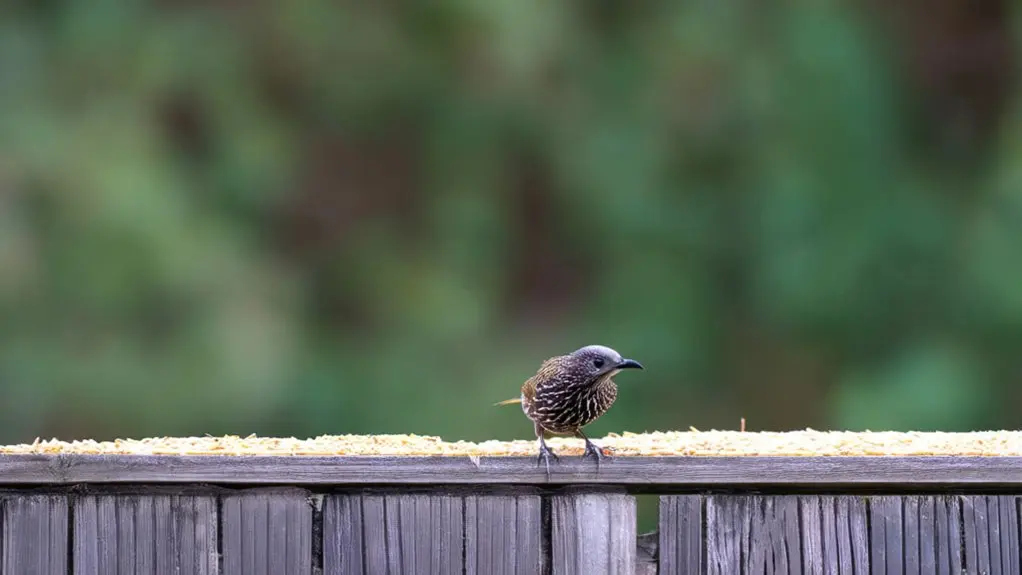
You might hear that birds can explode from eating rice, but that’s a myth with no scientific basis. Birds digest both cooked and uncooked rice efficiently. Their stomach acids break down the grains without dangerous expansion or harm.
No documented cases support the claim, and feeding rice in moderation is safe for birds. If you want to understand why this myth started and discover safer celebration alternatives, there’s more you should know.
What’s the Origin of the Bird-Exploding Rice Myth?
Although many believe that rice causes birds to explode, this myth actually stems from longstanding misconceptions rather than scientific facts. The origin traces back to cultural practices, like throwing rice at weddings, which led to exaggerated stories about birds’ reactions to consuming rice.
You might’ve heard rumors, popularized by figures such as Ann Landers, claiming that rice expands inside birds, causing them to explode. However, scientific evidence disproves this, revealing that rice digestion in birds is no different from other grains in their bird diet.
Birds process rice efficiently without harm, and their digestive systems accommodate the grain’s size and composition. Understanding this helps debunk myths and highlights the importance of basing beliefs on rigorous study rather than folklore.
How Does Rice Affect Birds’ Digestion?
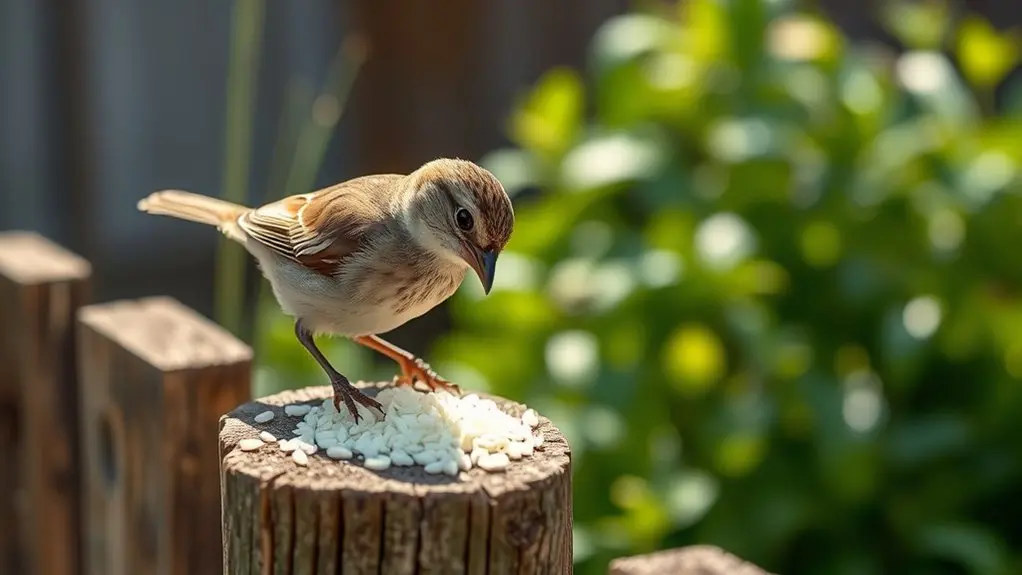
Now that we’ve cleared up the myth about rice making birds explode, it’s good to know how rice really affects their digestion. Birds digest rice quite efficiently since it’s just like a grass seed to them. It doesn’t expand dangerously inside their crop or stomach like some people think.
Raw rice, unlike cooked rice, doesn’t swell much inside a bird’s digestive system. Instead, their enzymes break it down into nutrients that give them energy. So, rice supports their dietary needs without causing any problems.
| Aspect | Explanation |
|---|---|
| Rice Type | Raw rice is safe; minimal expansion |
| Digestive Process | Enzymatic breakdown in crop and gizzard |
| Expansion Risk | Negligible inside bird digestive tract |
| Nutritional Impact | Provides carbohydrates, energy source |
You can feel good about feeding birds rice in moderation. There’s no need to worry about harming their digestion or any scary consequences.
Are Cooked and Uncooked Rice Safe for Birds?
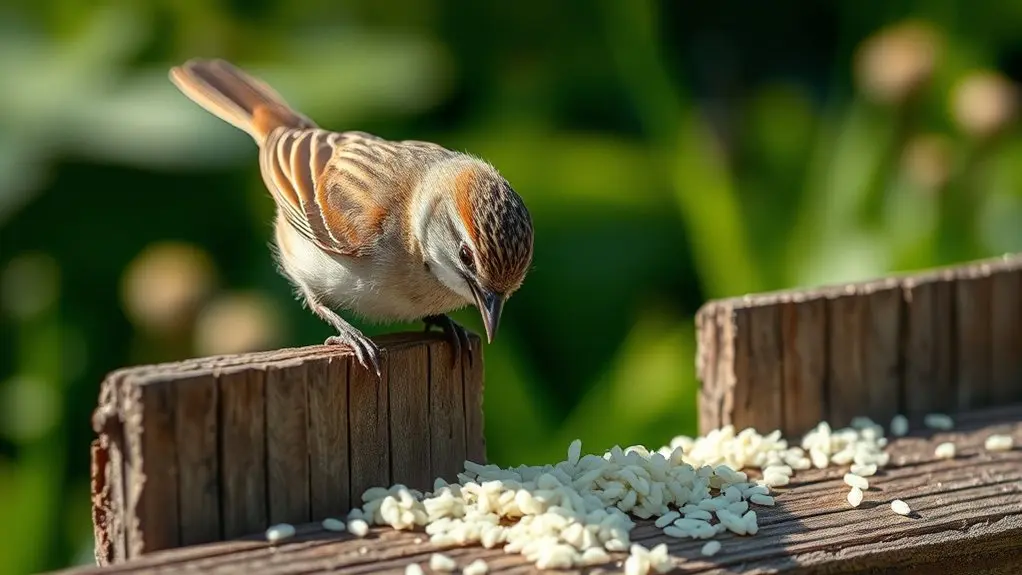
You can safely offer birds both cooked and uncooked rice in small amounts without worrying about any harm. Just make sure the cooked rice doesn’t have any additives like salt. It’s easy for birds to digest.
And as for uncooked rice, it’s totally fine too. It won’t expand inside a bird’s digestive system like some people think.
Knowing this helps clear up the myth that rice can cause birds to explode. So, go ahead and share some rice with the birds without any worries!
Cooked Rice Effects
How safe is rice for birds, cooked or uncooked? When it comes to cooked rice, it’s generally safe for birds to eat in moderation and won’t cause them to explode. From a bird nutrition perspective, cooked rice provides carbohydrates that can be digested efficiently without adverse effects.
The rice digestion process in birds is capable of handling cooked rice without rapid expansion inside the digestive tract. This debunks the myth that rice causes dangerous bloating or explosions.
Feeding small amounts of cooked rice can be a harmless supplement to their diet.
However, it’s important not to overfeed, as excessive amounts could disrupt their overall nutrition balance.
Uncooked Rice Safety
While cooked rice has been shown to pose no risk of causing harm to birds when fed in moderation, questions often arise about the safety of uncooked rice. Uncooked rice is generally safe for birds in small quantities, as it’s a type of grass and not toxic.
From a bird nutrition perspective, both cooked and uncooked rice can be included as occasional treats.
However, rice preparation matters. Cooked rice should be plain, without salt or additives, to avoid digestive issues. The myth that rice causes birds to explode is scientifically unfounded; rice doesn’t expand dangerously inside birds.
Offering properly prepared, unsalted rice responsibly supports healthy bird nutrition without harm. Always moderate portions to prevent digestive upset and ensure safe feeding practices.
Why Do People Believe Birds Explode After Eating Rice?
You might be wondering why the myth that birds explode after eating rice sticks around, even though there’s no scientific proof for it. Well, this idea probably came from people misunderstanding how rice expands inside a bird’s stomach.
And from there, the story just spread through rumors instead of real evidence. It’s interesting how this belief has even affected wedding traditions, with some folks avoiding throwing rice to keep birds “safe” — all based on a false assumption.
Origins of The Myth
Although the myth that birds explode after eating rice has persisted for years, it actually comes from misconceptions rather than scientific facts. The belief likely started during times when rice cultivation was widespread, and people often saw birds eating leftover grains.
They noticed birds eating rice during migration seasons and assumed that the rice expanded inside their stomachs, causing fatal effects.
This misunderstanding grew stronger because of cultural practices like throwing rice at weddings, which made people worry about harming birds. Media stories and folklore then blew these fears out of proportion, embedding the myth deeply into popular belief.
But scientific research shows that birds’ digestive systems can handle rice just fine. So, the idea that rice causes birds to explode is totally false.
Knowing how this myth began helps explain why it still sticks around, even when there’s plenty of evidence against it.
Spread Through Rumors
How did the myth that birds explode after eating rice spread so widely despite lacking scientific support? This false belief likely grew from exaggerated stories passed through word of mouth and media. It taps into your concerns about bird safety and environmental issues.
When you hear about bird migration and climate change affecting habitats, it’s easy to accept alarming claims without questioning them. But scientific research shows rice doesn’t expand enough inside bird stomachs to cause harm or explosion.
The rumor sticks around because many people don’t understand bird digestion or behavior well.
Misconceptions thrive, especially when linked to broader worries about wildlife during changing climates and disrupted migration patterns. You might see this myth as a cautionary tale, but it’s really important to rely on evidence rather than fear.
Impact on Wedding Traditions
Since the myth that birds explode after eating rice has spread widely, many people have reconsidered the tradition of throwing rice at weddings. You might wonder why this falsehood persists despite lacking scientific evidence. It likely stems from misunderstandings about bird digestion, bird migration behaviors, and even feather coloration changes, which are unrelated to rice consumption.
To avoid harm and respect wildlife, weddings now often substitute rice with alternatives like bird seed or bubbles.
| Tradition | Reason for Change | Scientific Reality |
|---|---|---|
| Throwing rice | Fear of bird harm | Rice is safe; no explosion risk |
| Using bird seed | Eco-friendly, safe for birds | Supports bird nutrition |
| Blowing bubbles | Symbolic, non-invasive | Harmless to bird migration |
| Confetti | Aesthetic choice | No impact on feather coloration |
Is There Any Science Behind the Bird-Exploding Rice Myth?
When you examine the available scientific evidence, you’ll find no support for the claim that rice causes birds to explode. Scientific studies on bird nutrition and rice digestion reveal rice is a safe grass seed in small amounts. The myth likely arises from misunderstandings about how rice behaves in a bird’s digestive system.
Consider these facts:
- Rice doesn’t expand markedly in a bird’s stomach to cause harm.
- Birds regularly consume various seeds that swell with moisture without issue.
- No documented cases exist showing birds exploding after eating rice.
- Rumors about substances like Alka Seltzer causing explosions are unsubstantiated.
Understanding bird nutrition and digestion helps debunk this myth with clear, evidence-based science. It’s always good to question these stories and look for real facts. That way, we can stop spreading false information and better appreciate our feathered friends.
What Are Safer Alternatives to Throwing Rice at Weddings?
Although rice poses no real threat to birds, many couples and event planners look for alternatives that make cleanup easier and reduce environmental impact while still keeping the celebratory feel.
You might choose bird seed, which helps feed birds and is safer for wildlife. It’s also easier to clean up and less intrusive than rice.
Flower petals or biodegradable confetti are great eco-friendly and visually pleasing options. They avoid putting food into wildlife habitats, which is a plus.
Bubbles add a fun, festive vibe without any mess or risk to birds, making them a safe and popular choice.
Some people go for non-throw options like sparklers, flower showers, or symbolic paper lanterns. These keep the celebration lively without involving feeding birds.
All these choices focus on protecting wildlife while still honoring tradition and cutting down on environmental concerns.
Environmental Impact of Rice and Bird Seed at Celebrations
Even though throwing rice or bird seed at celebrations seems harmless, you should consider their environmental effects. Rice cultivation typically has minimal impact when managed properly, but spillage during events can cause issues.
Bird seed, often used as an alternative, may attract wildlife, disrupting local ecosystems and bird migration patterns.
Here’s what you need to know:
- Excessive rice or seed spillage can lead to unwanted weed growth, altering soil composition.
- Bird seed can attract animals, potentially interfering with natural bird migration routes.
- Accumulated litter from leftover rice or seed contributes to pollution in the environment.
- Concerns about these impacts have driven the shift toward eco-friendly alternatives like bubbles.
Practical Cleanup and Safety Tips for Wedding Rice Tossing
Since rice tossing at weddings involves organic materials that can impact the environment and venue cleanliness, you should follow practical cleanup and safety measures to minimize negative effects.
For effective cleanup, promptly collect any leftover rice or bird seed to prevent pest attraction and localized weed growth.
Bird seed is safer for wildlife and easier to dispose of than rice, which reduces environmental risks and supports bird safety.
Choosing bird seed over rice lowers environmental impact and better protects local wildlife.
You might also want to consider alternatives like blowing bubbles, which makes cleanup a breeze and eliminates organic waste entirely.
Always dispose of remnants properly to avoid contamination and keep the venue tidy.
Following these cleanup tips helps ensure bird safety and preserves the event location, so you can enjoy tradition while being eco-friendly.
How to Protect Birds When Using Rice at Weddings?
When you choose to use rice at weddings, protecting birds requires careful planning and awareness of their natural behaviors. To guarantee bird feeding supports wildlife safety, you should:
- Opt for bird seed or biodegradable confetti instead of rice to minimize harm and disturbance.
- Avoid tossing rice or seeds near bird habitats or common gathering spots to prevent accidental ingestion.
- Educate guests about environmental impacts to promote responsible celebration practices.
- Clean up thoroughly post-event to avoid attracting pests or causing ecological imbalances.
It’s really about being thoughtful and making small changes that can make a big difference for our feathered friends.
That way, everyone enjoys the celebration safely!
Frequently Asked Questions
Can Rice Cause Allergic Reactions in Birds?
You won’t find rice causing allergic reactions in birds, as bird dietary restrictions rarely include rice sensitivity.
However, improper rice fermentation might affect digestion, so always guarantee rice is prepared safely to avoid any dietary issues.
How Much Rice Is Safe to Feed Wild Birds Daily?
Wondering how much rice to offer wild birds daily? Stick to small portions, about a tablespoon per feeding.
Make sure to follow bird feeding etiquette and rice preparation tips. Cook the rice thoroughly and mix it with natural seeds for balanced nutrition.
This way, you’re helping the birds stay healthy and happy!
Do Different Bird Species Digest Rice Differently?
Yes, bird digestion varies by species, influencing how rice affects them. Granivorous birds digest rice efficiently because their systems are built for seeds and grains.
On the other hand, carnivorous species struggle with rice since their digestive systems are quite different. So, it’s important to think about species-specific digestion when feeding birds rice.
Can Rice Nourish Baby Birds or Only Adults?
Feeding baby birds rice types is like offering a square peg in a round hole; it won’t nourish them properly. You should focus on bird feeding with softer, species-specific diets, as rice suits mainly adult birds’ digestion.
Baby birds need food that’s easier to digest and packed with the right nutrients to help them grow. Rice just doesn’t cut it for their delicate systems. So, it’s better to stick to what’s natural and suitable for their age and species.
Is It Harmful to Mix Rice With Other Bird Foods?
It’s not harmful to mix rice with other bird foods if you follow rice preparation tips. Avoid feeding raw, moldy rice, and remember bird feeding myths about harm or explosions are unfounded by scientific evidence.
Just make sure you prepare the rice properly before offering it to birds. Cooking it thoroughly and letting it cool is key. That way, it’s safe and nutritious for them.
Conclusion
Don’t let the myth of exploding birds cloud your judgment like a sudden storm. Science shows that both cooked and uncooked rice are safe for birds, as their digestion handles it well without harm.
That said, you should consider safer, eco-friendly alternatives for celebrations to protect wildlife and the environment. By choosing thoughtfully and cleaning up properly, you’ll guarantee your festivities are joyful without unintended consequences for our feathered friends.