
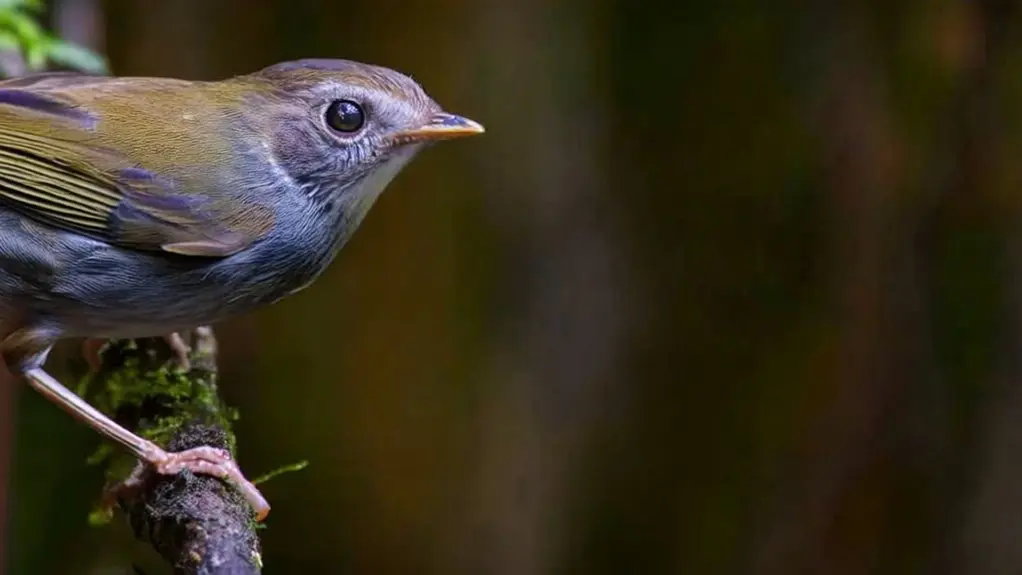
You can trust that birds not only detect harmful stimuli through nociceptors but also experience pain involving complex neural pathways and emotional processing. Their behaviors and physiological responses, like vocalizations, increased heart rate, and avoidance, reflect genuine pain beyond simple reflexes.
Birds even show empathy toward others’ distress, which tells us they have advanced emotional capacity. Recognizing this is really important for ethical treatment and proper pain management.
Exploring these mechanisms helps us understand just how deeply birds perceive and respond to pain. It’s pretty fascinating when you think about it!
Neurologic Mechanisms of Pain Perception in Birds
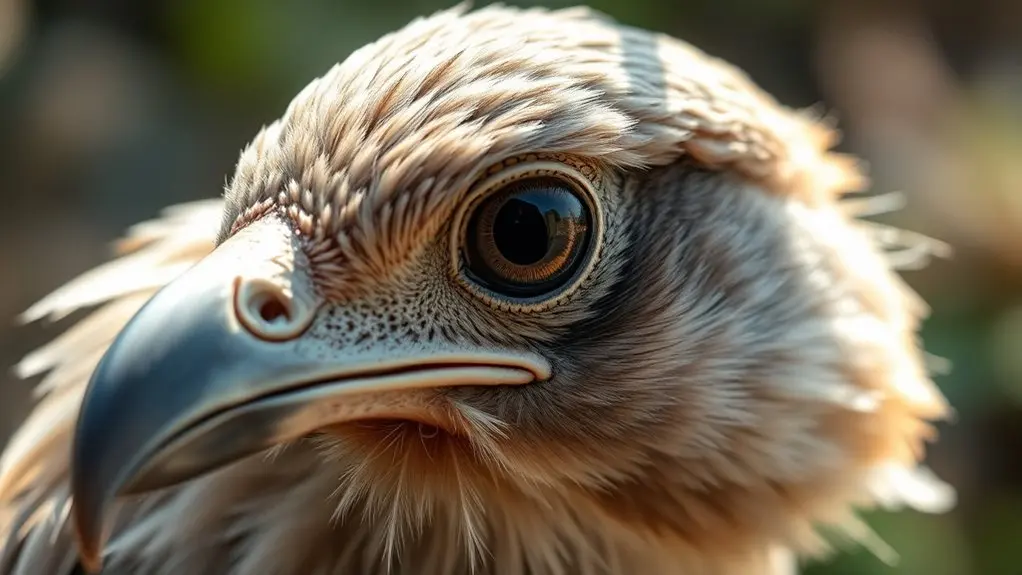
Although birds’ brains differ anatomically from mammals, they possess specialized neurologic mechanisms that enable pain perception. You’ll find that birds have nociceptors, sensory receptors detecting harmful stimuli, linked to neural pathways similar to those in mammals. These pathways transmit signals to the dorsal horn of the spinal cord and brain regions responsible for processing pain.
Electrophysiological studies show birds’ neural responses actively integrate sensory input, confirming sensory integration within their nervous system. When you observe behavioral and physiological changes in birds after injury, these reflect activation of specific neural circuits involved in pain perception.
The interplay between sensory signals and emotional centers further supports that birds’ neurologic architecture processes pain actively and complexly. So, it’s more than just a simple reflex response—they really do experience pain in a meaningful way.
What’s the Difference Between Pain and Nociception in Birds?
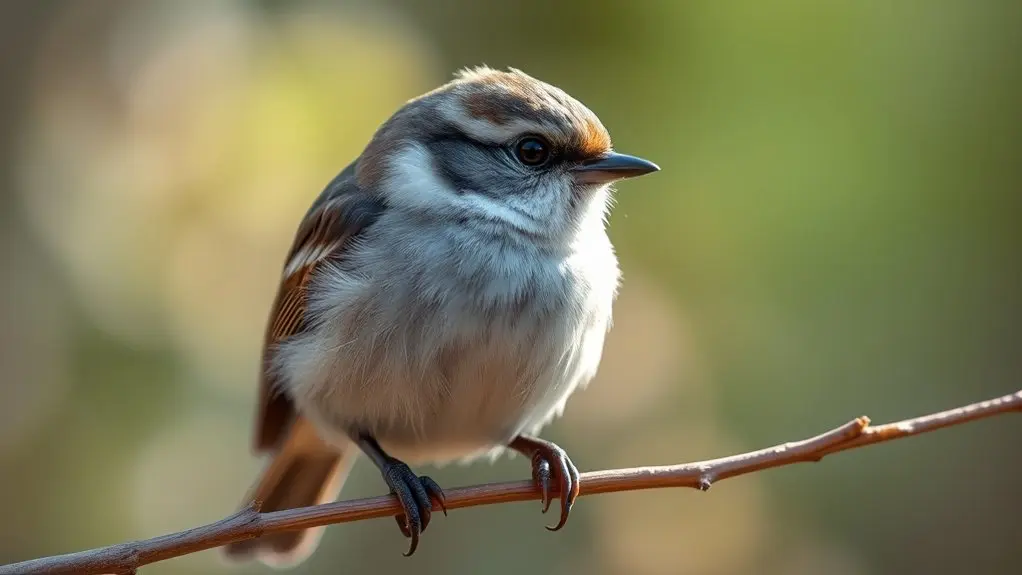
How do you distinguish between pain and nociception in birds? Nociception involves automatic neural pathways in bird anatomy that detect harmful stimuli and trigger reflexive responses without emotional involvement. It represents a purely sensory process, where specialized receptors transmit signals through neural pathways to the central nervous system.
Pain, however, includes not only this sensory detection but also an emotional experience of discomfort or suffering. Unlike nociception, pain requires an individual’s subjective perception, which involves higher brain functions beyond reflex arcs.
Birds demonstrate nociceptive responses through their neural architecture, but confirming pain requires evidence of emotional and behavioral indicators.
Understanding this distinction is essential for accurately interpreting how birds process and react to potentially damaging stimuli within their unique neurological framework. It’s a subtle but important difference when studying their responses and welfare.
Behavioral and Physiological Indicators of Pain in Birds
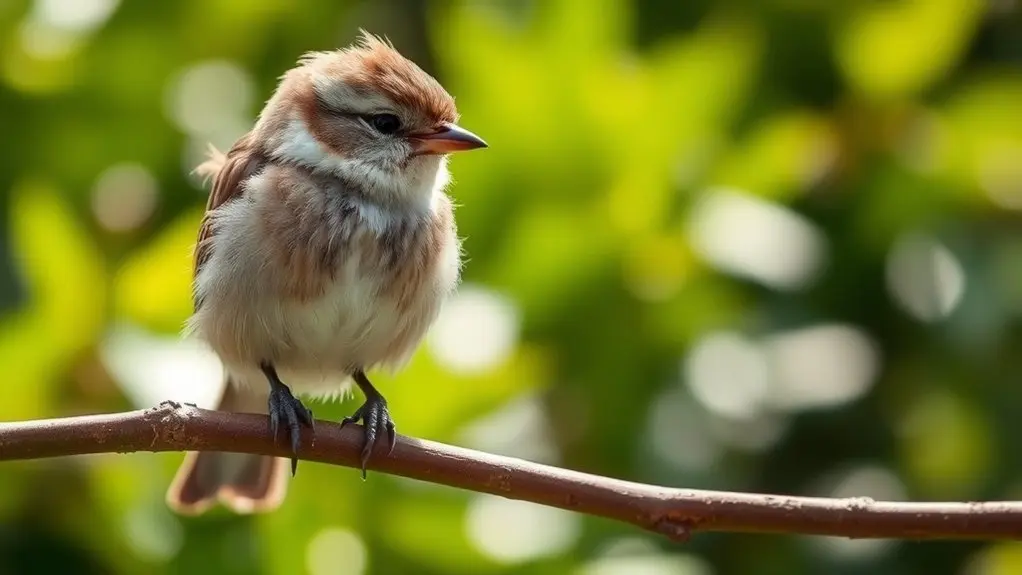
When birds experience pain, they show distinct behavioral and physiological changes that you can observe and measure. You might notice altered nesting behaviors, like reduced nest maintenance or even abandonment, which signals distress. Feather coloration can also shift subtly due to stress-related physiological changes, though this varies by species.
Behaviorally, birds often flap their wings excessively, vocalize loudly, or avoid contact with things that cause pain.
Physiologically, you might detect increased heart rate, rapid breathing, and changes in eye temperature if you use the right tools.
Birds also tend to reduce preening and show heightened alertness or try to hide.
Researchers rely on these combined indicators to assess avian pain objectively. This helps ensure an accurate interpretation beyond just nociception and supports welfare considerations for both wild and captive birds.
It’s all about understanding what the birds are really going through so they can get the care they need.
Emotional and Empathic Responses to Pain in Birds
Because birds respond not only to their own pain but also to the distress of others, researchers have identified emotional and empathic components in their reactions. You’ll notice that bird communication and social bonding play vital roles in these responses.
For example, hens exhibit distress mirroring their chicks’ suffering, which shows emotional resonance. Physiological changes like increased heart rate and lowered eye temperature indicate emotional awareness.
Behavioral shifts such as reduced preening and increased vocalizations, like clucking, reflect negative emotions.
These findings suggest birds experience emotional pain beyond just reflexive nociception and actually possess empathy traits. They share the emotional states of their conspecifics.
Recognizing these emotional and empathic responses really helps you understand avian social complexity and the depth of their pain perception.
Why Recognizing Bird Pain Matters for Ethical Treatment
You need to recognize that birds feel pain if you want to ensure they’re treated ethically and cared for humanely. This means taking a closer look at any procedures that might cause them unnecessary suffering.
When you understand this, it becomes clear that finding ways to reduce harm is really important. By doing so, you’re not just following animal welfare principles—you’re also showing compassion in how you handle birds.
Ethical Implications
Although birds have long been overlooked in discussions about animal pain, recognizing their capacity to experience suffering demands a reassessment of how we treat them ethically. Understanding bird communication and pain memory reveals their complex emotional and sensory experiences.
This knowledge really makes you stop and think about the ethical implications. For example, we need to implement policies that reflect birds’ ability to feel pain and work on reducing cruelty.
It’s also important to promote scientific approaches that acknowledge pain memory in birds, which can help improve welfare standards. Plus, we should foster a sense of societal responsibility for humane interactions based on evidence of avian suffering.
Humane Treatment Practices
Why does recognizing that birds feel pain matter for their ethical treatment? When you acknowledge their capacity for suffering, you commit to humane treatment practices that minimize distress and prevent unnecessary harm. Proper pain management, such as administering analgesics during medical care, is essential and supported by scientific evidence.
You also enhance welfare by incorporating bird enrichment and flight therapy. These activities reduce stress and promote natural behaviors.
Ignoring pain signs can lead to ethical violations in farming, research, and pet care.
Practical Pain Management Strategies for Birds
When managing pain in birds, it’s essential to recognize specific behavioral signs such as reduced preening or altered vocalizations. This helps guarantee timely intervention.
Effective pain management also helps preserve normal functions affected during bird migration or changes in feather coloration, which can indicate health status.
You should use appropriate analgesics like NSAIDs or local anesthetics, but always under veterinary supervision to reduce suffering.
Also, maintaining a calm environment supports recovery and minimizes stress.
Key strategies include:
- Monitoring behavioral changes linked to pain perception
- Administering targeted pharmacological treatments with professional guidance
- Providing a stable, low-stress habitat to facilitate healing
Frequently Asked Questions
Can Birds Feel Emotional Pain Like Humans Do?
You can observe that birds feel emotional pain like humans. Their avian communication during bird migration shows distress signals and empathetic responses.
This reveals neurological traits linked to emotional experiences similar to mammals. So, in many ways, birds experience emotions in a way that’s closer to us than we might think.
How Do Different Bird Species Vary in Pain Sensitivity?
You’ll find that avian nociception varies widely. For instance, parrots exhibit stronger pain perception differences than quails. These variations stem from neurological complexity and ecological factors.
They influence how each bird species processes and responds to pain stimuli. So, it’s pretty interesting to see how different birds feel and react to pain in their own unique ways.
Are There Common Household Items Toxic to Birds Causing Pain?
Yes, many common household items, including cage cleaning chemicals and fumes near the bird enclosure, are toxic and cause pain.
You’ll want to avoid non-stick cookware fumes, scented candles, toxic plants, and harmful foods to protect your bird’s health.
Keeping your bird away from these things really helps prevent any unnecessary suffering.
Can Birds Remember Painful Experiences Long-Term?
You’ll find that birds, like migratory patterns etched in time and molting feathers seasonally, remember painful experiences long-term. Their neural structures actually encode pain memories, which is pretty fascinating.
This influences their future behavior and survival strategies with remarkable precision. So, they’re not just reacting in the moment—they’re learning from the past in a way that helps them stay alive.
What Signs Indicate a Bird Is in Chronic Pain?
You’ll notice chronic pain signs like altered feather coloration and changes in beak morphology. There might also be decreased activity and reluctance to perch. Weight loss is another sign to watch for.
Behavioral shifts such as aggression or withdrawal can also indicate ongoing discomfort and impaired health. These changes often show that your bird isn’t feeling well over a longer period. It’s important to pay attention to these signs.
Conclusion
Now that you know birds experience pain through complex neurologic and behavioral responses, it’s clear they’re not just feathered bystanders in suffering. Recognizing their pain matters. It’s crucial to open ethical treatment and effective pain management.
Like tuning a delicate instrument, your careful attention to their discomfort ensures they live healthier, less painful lives. By understanding and acting, you contribute to a more compassionate, scientifically informed approach to avian care.