
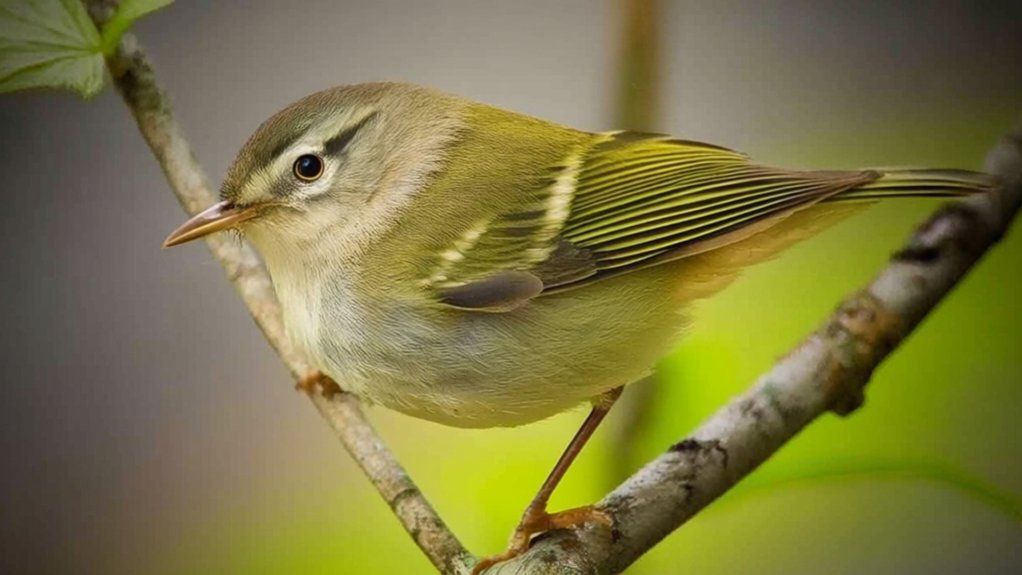
You don’t need to worry about birds transmitting rabies because their biology prevents the virus from infecting or replicating in their bodies. Birds lack the specific nerve cell receptors that rabies targets in mammals, making natural infections extremely rare and unlikely to spread.
While a few exceptional cases have been documented in endemic regions, birds generally pose no rabies risk. Understanding why this is true sheds light on viral transmission and public health safety. So, overall, birds are safe when it comes to rabies.
What Is Rabies and Which Animals Can Get It?

Although rabies is widely feared as a deadly viral disease, it only affects mammals because the Lyssavirus targets specific receptors found exclusively in mammalian nerve cells.
Rabies exclusively infects mammals, targeting receptors unique to their nerve cells.
This virus is transmitted primarily through the saliva of infected mammals via bites. When you encounter a mammal with rabies, the virus travels along the peripheral nerves to the central nervous system, causing severe neurological symptoms.
Birds, fish, reptiles, and amphibians lack these receptors, making them biologically immune to rabies. Studies confirm that birds neither develop symptoms nor shed the virus after experimental exposure.
Health authorities such as the CDC emphasize that rabies is confined to mammals.
Why Birds Are Not Susceptible to Rabies Virus
Because birds lack the specific cellular receptors that the rabies virus needs to infect nerve cells, they remain naturally resistant to the disease. The rabies virus targets mammals due to differences in nervous system structures and biochemical pathways. Studies show birds inoculated with the virus neither become infected nor shed it.
Also, birds’ lower body temperatures create an environment unsuitable for the virus to replicate. Public health agencies, including the CDC, classify birds as non-susceptible to rabies, confirming they cannot contract or transmit the virus.
| Factor | Explanation |
|---|---|
| Cellular receptors | Absent in birds, blocking infection |
| Nervous system structure | Differs from mammals, impeding virus |
| Viral replication environment | Bird body temperature too low |
| Experimental evidence | No infection or viral shedding in birds |
| Public health classification | Birds deemed non-susceptible by CDC |
Can Birds Naturally Contract Rabies? What the Science Shows
While rabies poses a serious threat to mammals, birds simply can’t contract the virus due to fundamental biological differences. You should understand that birds lack the specific nerve cell receptors targeted by the Lyssavirus, making them naturally resistant.
Experimental studies confirm that even when inoculated, birds don’t develop rabies symptoms or shed the virus.
This resistance stems from their distinct immune and metabolic systems, which prevent viral infection. You won’t find credible natural cases of rabies in birds; reported instances remain anecdotal or unconfirmed.
Health authorities like the CDC classify birds as not susceptible to rabies, reinforcing the scientific consensus.
How Rabies Spreads and Why Birds Don’t Transmit It
How exactly does rabies spread, and why don’t birds play a role in its transmission? Rabies primarily infects mammals by targeting specific nerve cell receptors, particularly mammalian neurotrophin receptors. These receptors are essential for the Lyssavirus to invade the nervous system and replicate.
Birds, however, lack these critical receptors, making them biologically resistant to rabies infection. Experimental inoculation of birds with the rabies virus has consistently failed to produce infection or viral shedding, which confirms their immunity.
Since birds can’t harbor or transmit the virus, they don’t contribute to rabies spread. Understanding this biological barrier helps clarify why rabies remains confined to mammals.
What to Do If a Bird Bites or Scratches You
If a bird bites or scratches you, you don’t need to worry about rabies since birds can’t transmit the virus. However, proper wound care is crucial to prevent bacterial infections. Follow these steps immediately:
First, wash the wound thoroughly with soap and water for at least 15 minutes to remove contaminants.
Then, apply an antiseptic such as povidone-iodine to disinfect the area.
After that, cover the wound with a clean bandage to protect it from further exposure.
Keep an eye on the site for redness, swelling, or other signs of infection.
If the wound is deep, located on your face or hands, or shows signs of infection, seek medical attention.
Infections to Watch for From Bird Bites
Because birds can’t transmit rabies, your primary concern after a bird bite should be bacterial infections. Bird bites can introduce pathogens such as Salmonella and other zoonotic bacteria into the wound.
Psittacosis, caused by Chlamydia psittaci, is another infection linked to bird exposure but less commonly transmitted through bites.
You should immediately clean any bite or scratch thoroughly with soap and water to reduce bacterial contamination. Deep or facial wounds require careful monitoring for redness, swelling, warmth, or pus, which indicate infection.
If you notice any of these symptoms or have a weakened immune system, it’s a good idea to seek medical evaluation.
Rabies post-exposure prophylaxis is unnecessary since birds lack the cellular receptors for Lyssavirus, making rabies transmission impossible from bird bites.
Proper wound care and vigilance are key to preventing complications. Just keep an eye on the wound and stay on top of cleanliness.
The Rare Rabies Case in an Indian Domestic Fowl
You should know that the very first natural case of rabies in a domestic fowl was actually reported in India. It’s a pretty remarkable example of the virus jumping from one species to another.
What’s more interesting is that lab tests showed the virus was closely related to the local dog rabies strain, which tells us a lot about how the disease spreads in that region.
This unusual case really highlights how rabies can sometimes affect birds in areas where the disease is common. It also reminds us why it’s so important to stay alert and keep up with thorough testing.
First Natural Infection
Though rabies primarily affects mammals, researchers have documented the first natural infection in a domestic fowl (Gallus domesticus) in India. This marks a significant finding in rabies epidemiology.
You should note these key points about this case:
Laboratory tests confirmed rabies viral antigens and RNA in the bird’s brain tissue. The bird had a bite wound from a stray dog about one month before death.
Molecular analysis revealed the virus strain belongs to the Indian subcontinent lineage, closely related to local canine strains.
This case shows the rare possibility of rabies virus spilling over into unconventional hosts like birds in endemic regions. Understanding this first natural infection helps you appreciate the complexity of rabies transmission beyond typical mammalian hosts.
Cross-Species Spillover Risks
The first natural rabies infection identified in a domestic fowl in India opens an important discussion on cross-species spillover risks. This rare case involved a rabies virus strain closely related to those circulating among South Indian dogs. It indicates regional virus transmission beyond typical mammalian hosts.
While experimental evidence shows birds generally resist rabies infection, this natural spillover highlights that non-mammalian species can occasionally become infected in endemic areas. Molecular analysis confirms that regional rabies variants have the potential to cross species barriers, even to unconventional hosts like birds.
You should recognize that although such events are extremely uncommon, they underscore the importance of continued surveillance and monitoring of rabies virus dynamics in diverse animal populations. This helps us better understand and mitigate spillover risks.
Why Bird Rabies Awareness Matters for Public Health
Because natural cases of rabies in birds are extremely rare but have been documented, staying aware of this possibility helps public health officials identify potential spillover events and respond appropriately.
You should understand why bird rabies awareness matters for public health:
- It prevents unnecessary panic by clarifying that birds rarely contract rabies.
- It highlights the need for accurate diagnosis to avoid misinterpreting neurological symptoms in birds.
- It focuses surveillance and control efforts primarily on mammals, the main rabies reservoirs.
- It guarantees unusual cases, such as the first documented natural infection in domestic fowl, receive proper investigation.
Frequently Asked Questions
Can Vaccinated Pets Transmit Rabies to Birds?
No, vaccinated pets can’t transmit rabies to birds because birds are naturally immune. The rabies virus targets mammals only, so even if a vaccinated pet bites a bird, it won’t contract or spread rabies.
Do Birds Carry Other Zoonotic Diseases Besides Rabies?
Yes, birds can carry zoonotic diseases like psittacosis, salmonella, and avian influenza. You should handle birds carefully and maintain hygiene to reduce risks. These diseases can transmit to humans and cause serious health issues.
How to Safely Handle Wild Birds During Rabies Outbreaks?
Picture yourself gently holding a wild bird; you don’t need rabies precautions. Just wear gloves, wash hands thoroughly afterward, and avoid contact with mammals like bats.
This keeps you safe during rabies outbreaks. It’s really about being careful and keeping things clean. That way, you can enjoy the birds without worry.
Are Certain Bird Species More Prone to Bite Injuries?
Yes, certain species like raptors, parrots, cockatoos, and macaws are more prone to bite injuries due to territoriality, fear, and strong beaks. You should handle them cautiously, especially wild or stressed birds, to avoid injury.
It’s really important to be aware of their behavior and body language. When they feel threatened or scared, they might bite as a form of defense. So, taking your time and approaching them gently can make a big difference.
Can Bird Feathers or Droppings Spread Rabies Virus?
No, bird feathers or droppings can’t spread the rabies virus because rabies requires infected mammalian saliva or neural tissue.
You should still practice standard hygiene, but handling bird materials doesn’t pose a rabies infection risk.
Conclusion
You don’t need to worry about birds carrying rabies, as they’re naturally resistant to the virus, much like a fortress repelling invaders. While bird bites can cause other infections, rabies transmission from birds is virtually nonexistent.
Still, it’s wise to clean any wound promptly and seek medical advice if needed. Understanding this helps you stay informed and safe, preventing unnecessary fear. It also ensures you get proper care when dealing with bird-related injuries.