
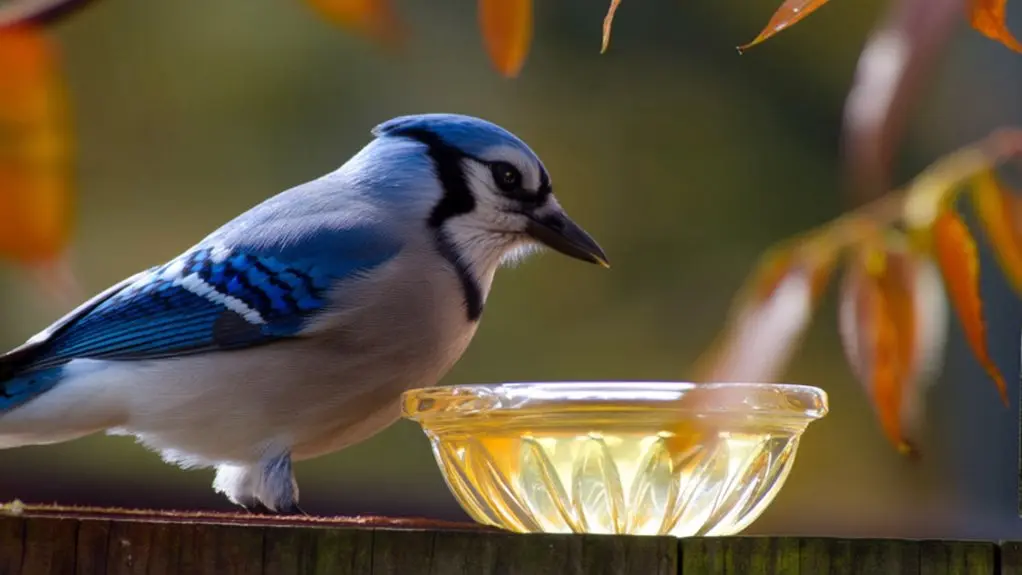
You can give your bird small amounts of fresh, unsweetened apple juice safely, but only if you prepare it properly by removing seeds and diluting it with water to reduce sugar concentration. Avoid commercial juices with added sugars, preservatives, or chemicals, as they pose health risks.
Whole apples are generally a healthier, safer option. Pay attention to your bird’s reaction after offering apple juice. Keep exploring to understand safe preparation, serving, and better hydration alternatives for your bird.
Can Birds Safely Drink Apple Juice?
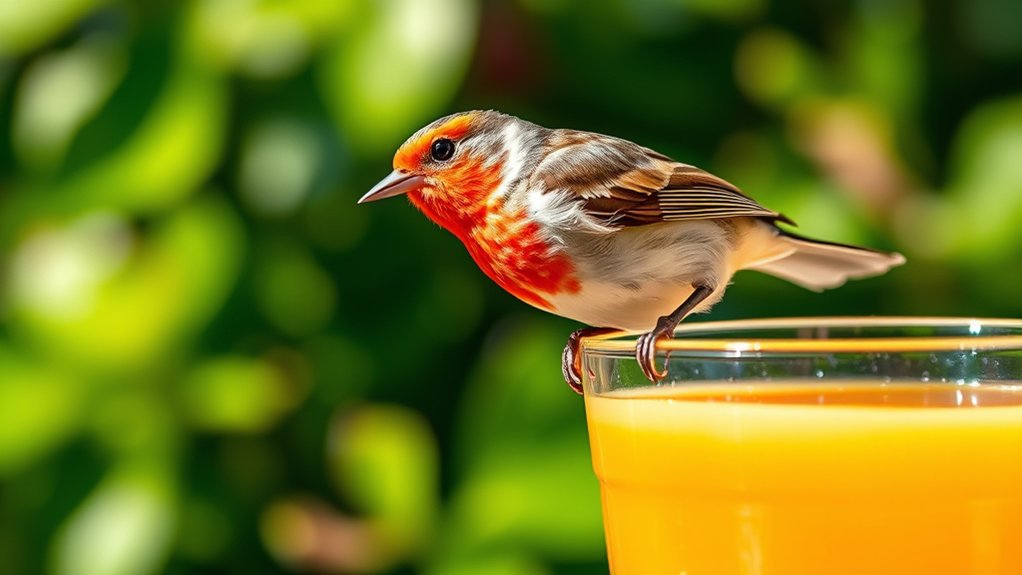
How safely can birds drink apple juice? You can safely offer small amounts of plain, fresh apple juice to your bird, provided it contains no added sugars or preservatives. It’s vital to dilute the juice with water to lower the sugar concentration, minimizing risks like weight gain or digestive upset.
Avoid store-bought or processed apple juices, as artificial sweeteners and additives can harm your bird’s health. Freshly made, unsweetened apple juice serves only as a supplement, not a replacement for water or a primary hydration source.
Moderation is key; excessive consumption of natural sugars can negatively impact your bird’s well-being.
Why Whole Apples Are Better Than Apple Juice for Birds
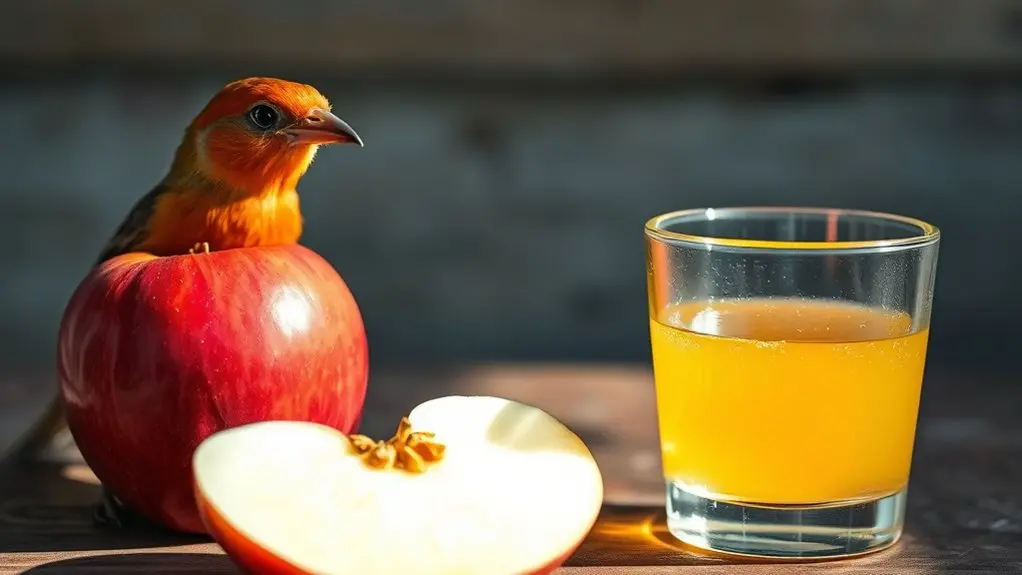
When you offer whole apples to your bird, you provide more than just flavor. You deliver essential dietary fiber that supports healthy digestion. This is a big benefit because apple juice loses that fiber during processing.
Fiber also helps keep blood sugar levels steady. That means it prevents the rapid spikes caused by the high natural sugar content in apple juice.
Fiber stabilizes blood sugar, preventing sudden spikes from the natural sugars in apple juice.
Plus, whole apples contain important nutrients and enzymes that juicing can reduce.
Feeding whole apples also encourages your bird’s natural foraging behavior. This promotes mental stimulation and physical activity, which is great for their overall well-being.
Unlike apple juice, whole apples don’t have added sugars or preservatives, so your bird avoids exposure to potentially harmful substances.
All in all, whole apples offer a balanced, wholesome dietary choice that better supports your bird’s health and happiness.
What Are the Risks of Commercial Apple Juice for Parrots?
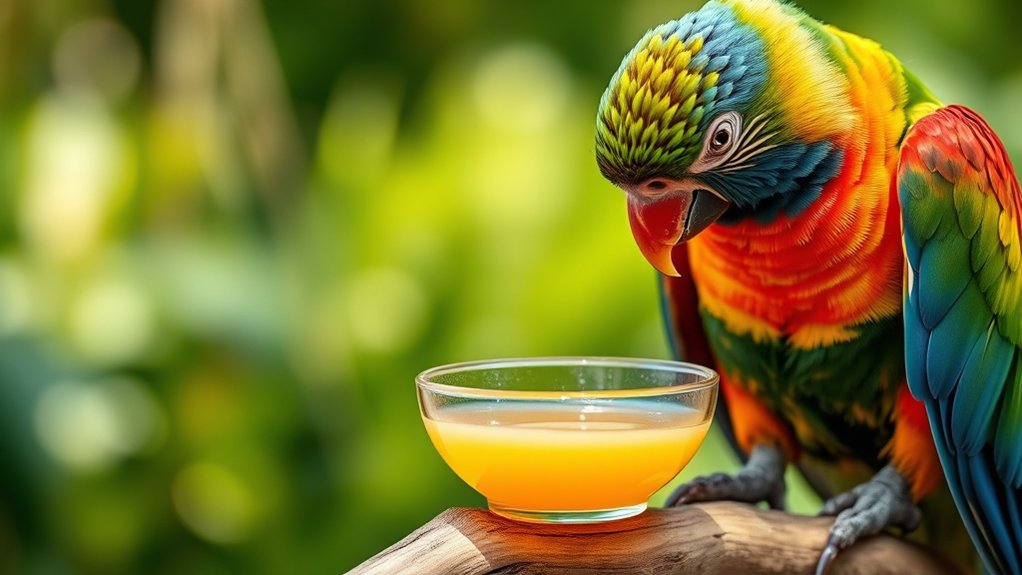
Although commercial apple juice might seem like a convenient treat, it often contains added sugars, preservatives, and artificial ingredients that can negatively affect your parrot’s health.
Many store-bought juices are pasteurized, which kills natural enzymes and reduces nutritional value.
Plus, some contain sulfites or chemicals that may trigger allergic reactions or toxicity.
The high sugar and acidity levels can mess with your parrot’s digestive system, contribute to obesity, and cause insulin regulation problems.
Because of all this, commercial apple juice is a risky choice for your bird.
To protect your parrot’s well-being, it’s best to avoid these processed products and look for safer alternatives.
Knowing these risks helps you make smarter choices about your parrot’s diet and health.
How to Make Fresh Apple Juice Safe for Your Bird
If you want to make fresh apple juice that’s safe for your bird, start by picking organic apples. Give them a good wash to get rid of any pesticides or dirt.
Next, be sure to remove the core and seeds. Those little seeds can contain cyanide, which is harmful to birds.
Once that’s done, you can juice the apples using a good-quality extractor or blender.
After juicing, strain the juice to take out any solids. It’s best to serve the juice right away or keep it in the fridge for no more than 24 hours.
And remember, don’t add anything extra to it!
Selecting Quality Apples
How can you guarantee the apple juice you prepare is both nutritious and safe for your bird? Start by selecting fresh, ripe apples to maximize nutrient content and avoid spoilage. Choose organic varieties to minimize pesticide residues, assuring the juice remains natural and non-toxic.
Always wash apples thoroughly with a vegetable brush, and consider using a vegetable wash or citricidal solution to remove surface contaminants. Remove the core, seeds, and stems carefully, as apple seeds contain trace amounts of cyanide harmful to birds.
If you use non-organic apples or suspect pesticide residues on the skin, peel them to reduce toxin exposure further.
These steps ensure the apples you use are clean, safe, and nutrient-rich, providing the best foundation for healthy juice preparation for your bird. Taking these simple precautions really makes a difference in keeping your feathered friend happy and healthy.
Preparing Juice Safely
Why is it essential to prepare apple juice safely for your bird? Proper preparation eliminates toxins and contaminants that could harm your pet.
Start by thoroughly washing apples under running water, using a vegetable brush to remove pesticides and dirt.
Always remove the core, seeds, and stems since seeds contain cyanide, which is toxic to birds.
Opt for organic apples when possible to minimize chemical exposure.
Use a clean, sanitized juicer or blender to prepare fresh juice, then strain out pulp to guarantee a smooth liquid, which is easier for birds to digest.
Serve the juice immediately or store it briefly in a clean refrigerator container.
Avoid freezing or prolonged storage, as it degrades nutrients essential to your bird’s health.
Following these steps guarantees the juice is both safe and nutritious.
What Is a Safe Amount of Apple Juice for Birds?
Although apple juice can be a delightful treat for your bird, you should offer it sparingly to avoid health risks. Limit the serving to no more than a teaspoon of unsweetened, pure apple juice per bird at a time. Always dilute the juice with water to lower its sugar concentration. This helps reduce the risk of obesity, diabetes, and digestive issues such as diarrhea.
Treat apple juice as an occasional supplement rather than a regular dietary component. This way, you can prevent nutrient imbalances. Use freshly made juice only, avoiding any additives or sweeteners.
Also, keep a close eye on your bird after offering apple juice. If you notice any adverse reactions or behavioral changes, stop giving it immediately. Moderation and vigilance guarantee your bird stays healthy while enjoying this treat.
How Apple Juice Benefits Your Parrot’s Health
When you offer your parrot fresh, unsweetened apple juice in moderation, you provide valuable vitamins like C and A that support its immune system and enhance vision.
Offering your parrot fresh, unsweetened apple juice in moderation boosts immunity and supports healthy vision.
The natural enzymes in apple juice aid digestion and help maintain cellular energy, promoting overall vitality.
Plus, apple juice serves as a hydrating supplement that helps detoxify the liver and eliminate heavy metals from tissues.
Regular, moderate servings can improve feather shine and increase eye brightness, which are good signs of health.
Just keep in mind, apple juice contains natural sugars, so too much might lead to weight gain.
Using apple juice as a complementary part of your parrot’s diet is a great way to enjoy these nutritional benefits without any downsides.
How to Tell if Apple Juice Upsets Your Bird
You’ll want to keep a close eye on your bird after it drinks apple juice. Look out for digestive problems like diarrhea or an increase in droppings.
Also, watch for any behavior changes, such as your bird becoming unusually tired or restless. These can be signs that something’s not right or that the juice isn’t agreeing with them.
Catching these signs early is key—it lets you act quickly to keep your bird healthy and comfortable.
Signs Of Digestive Trouble
If your bird consumes apple juice and then exhibits diarrhea, bloating, or abnormal droppings, these signs may indicate digestive trouble. You should also watch for fluffed feathers, tail bobbing, or lethargy, which signal discomfort.
Vomiting or regurgitation often points to irritation from the acidity or sugar content in the juice. Additionally, a sudden decrease in appetite or refusal to eat other foods can suggest digestive distress linked to apple juice intake.
Monitor the consistency and color of droppings closely; any excessive or abnormal changes warrant attention. If these symptoms persist or worsen, it’s vital to consult an avian veterinarian promptly to avoid dehydration and more severe health complications.
Early intervention guarantees your bird’s digestive health remains stable and prevents further issues. So, keep a close eye on your feathered friend and don’t hesitate to seek help if needed.
Behavioral Changes To Watch
Although apple juice might seem harmless, it can cause noticeable behavioral changes in your bird that indicate distress. Monitoring these changes helps you identify if the juice upsets your pet.
Pay close attention to activity and vocalization. Lethargy, decreased activity, or unusual sounds can signal discomfort.
Also, watch for changes in social behavior. Withdrawal, hiding, or reduced interaction after drinking the juice suggests stress.
Keep an eye on appetite and digestion too. Sudden appetite loss or refusal to eat other foods, along with diarrhea or altered stool, points to gastrointestinal upset.
Additionally, watch for respiratory symptoms like sneezing, which may indicate an adverse reaction to sugar or additives.
Promptly recognizing these signs lets you adjust your bird’s diet and prevent further health issues related to apple juice consumption.
Best Alternatives to Apple Juice for Parrot Hydration
When seeking the best alternatives to apple juice for parrot hydration, it’s important to focus on options that provide essential nutrients without added sugars or harmful additives. Fresh, unsweetened fruit and vegetable juices, like carrot or cucumber juice, supply vitamins and minerals safely.
Focus on nutrient-rich, unsweetened fruit and vegetable juices free from added sugars or harmful additives for parrot hydration.
Coconut water offers natural electrolytes but should be given in moderation. Just make sure it contains no added sugars or artificial flavors.
Fresh, clean, filtered water remains the primary hydration source and should never be fully replaced by juices.
Also, caffeine-free herbal teas or diluted vegetable broths without salt or additives can hydrate your parrot effectively.
If you want extra electrolyte support, commercial bird-safe hydration products made specifically for parrots provide a scientifically balanced alternative to natural juices.
How to Add Apple Juice to Your Bird’s Diet Safely
Incorporating apple juice into your bird’s diet requires careful attention to quality and quantity to guarantee safety. To do this effectively, always choose fresh, organic apple juice without added sugars, preservatives, or artificial ingredients. This helps prevent any harmful exposure to your feathered friend.
Next, dilute the juice with water to lower the sugar concentration and aid digestion. Serve it in small, shallow dishes so it doesn’t spoil quickly. This way, your bird gets just a little treat without any risks.
Remember, use apple juice only occasionally as a supplement or flavor enhancer. It should never be the main source of hydration or nutrition.
Keep an eye on your bird for any adverse reactions like diarrhea or changes in behavior.
Following these steps makes sure you add apple juice safely while keeping your bird healthy and happy. It’s all about moderation and careful monitoring!
Fruits and Juices Birds Should Avoid Completely
You should never offer birds fruits with seeds or pits, like apple cores, because they contain cyanide compounds that are toxic. So, it’s best to avoid those completely.
Also, stay away from juices that have added sugars, artificial flavors, preservatives, or sweeteners like xylitol. These ingredients can cause serious health problems for your feathered friend.
Instead, always choose natural, additive-free options. And don’t forget to remove any harmful parts before feeding your bird.
Toxic Fruits And Seeds
Since birds have sensitive metabolisms, certain fruits and seeds can pose severe health risks or even be fatal. It’s essential to avoid feeding these toxic items to your bird to prevent serious harm.
For example, avocado contains persin, a toxin that can cause heart damage and respiratory distress in birds. It’s best to keep avocados far away from your feathered friends.
Seeds and pits from cherries, apricots, peaches, and plums hold cyanide compounds. These can be lethal if ingested, so be sure to remove them before offering any fruit to your bird.
Also, dried fruits with preservatives and artificial sweeteners like xylitol can cause toxicity. This might lead to liver damage or hypoglycemia, which is dangerous for birds.
Harmful Juices For Birds
Just as certain whole fruits and seeds can pose serious risks to birds, their juices can be equally harmful. You should avoid giving birds fruit juices containing added sugars, artificial sweeteners, preservatives, or artificial flavors. These substances can damage their health.
Citrus juices like lemon or lime have high acidity, which may cause digestive irritation or upset.
Juices from fruits with cyanide-containing pits, such as cherries or apricots, must be avoided because they’re toxic to birds.
Commercial fruit juices often include concentrates and additives that aren’t safe for birds.
Also, dried fruit juices or fruit-flavored drinks containing preservatives and sulfites can trigger allergic reactions or gastrointestinal issues in parrots.
Frequently Asked Questions
Can Baby Birds Drink Apple Juice?
You shouldn’t give baby birds apple juice since it lacks essential nutrients and fiber. Plus, its high sugar content can cause digestive issues.
Instead, try offering fresh, pureed fruits or specialized hand-feeding formulas. These options support safe, healthy growth much better.
Does Apple Juice Affect a Bird’s Feather Color?
You might picture vibrant feathers glowing after drinking apple juice, but it doesn’t work that way. Apple juice doesn’t affect feather color. Instead, balanced nutrition maintains pigment, while excess sugar may harm overall feather health.
Can Apple Juice Help a Bird With a Cold?
Apple juice might soothe your bird’s throat because of its natural enzymes and vitamin C. But be careful—avoid sugary commercial types.
Always dilute the juice and offer it sparingly. And remember, it’s best to check with an avian vet for proper cold treatment and diagnosis.
Is Organic Apple Juice Better for Birds?
You’ll want organic apple juice. It’s 50% less likely to contain harmful pesticides. Choosing it means you avoid synthetic chemicals.
This helps preserve your bird’s health while providing natural nutrients and enzymes. These are essential for their well-being. So, going organic is definitely the better choice for your feathered friends.
How Should Apple Juice Be Stored for Bird Use?
You should store apple juice for birds in airtight containers and keep it refrigerated below 40°F (4°C). Using small, clean bottles is a good idea to help maintain freshness.
Try to use the juice within 24-48 hours. This helps keep it safe and preserves the nutrient quality. That way, your bird gets the best out of it!
Conclusion
When it comes to apple juice, think of it as a sugary storm in a delicate ecosystem, your bird’s health. Whole apples offer a balanced harvest of nutrients. Commercial juices, however, can harbor hidden risks like added sugars and preservatives.
If you choose to share apple juice, do so sparingly and freshly made. Keep a close eye on your bird for any signs of distress.
Remember, a cautious approach keeps your feathered friend’s world vibrant and thriving. It’s always better to be safe than sorry!