
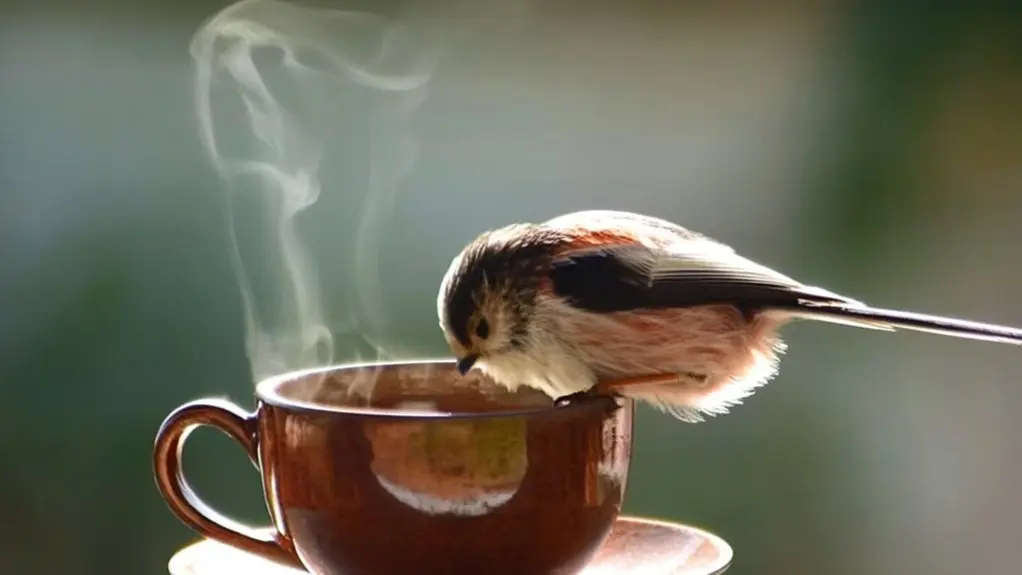
You can offer your bird certain caffeine-free herbal teas like chamomile or lemon balm safely, but only in small, cooled, and strained portions. Avoid green or flavored teas containing caffeine or synthetic additives. These are toxic and can cause serious health issues.
Always consult an avian veterinarian before introducing tea, especially for sick or sensitive birds. Understanding safe preparation, benefits, and risks will help you support your bird’s well-being effectively. Just take it slow and make sure your feathered friend stays healthy!
What Types of Tea Are Safe for Birds?
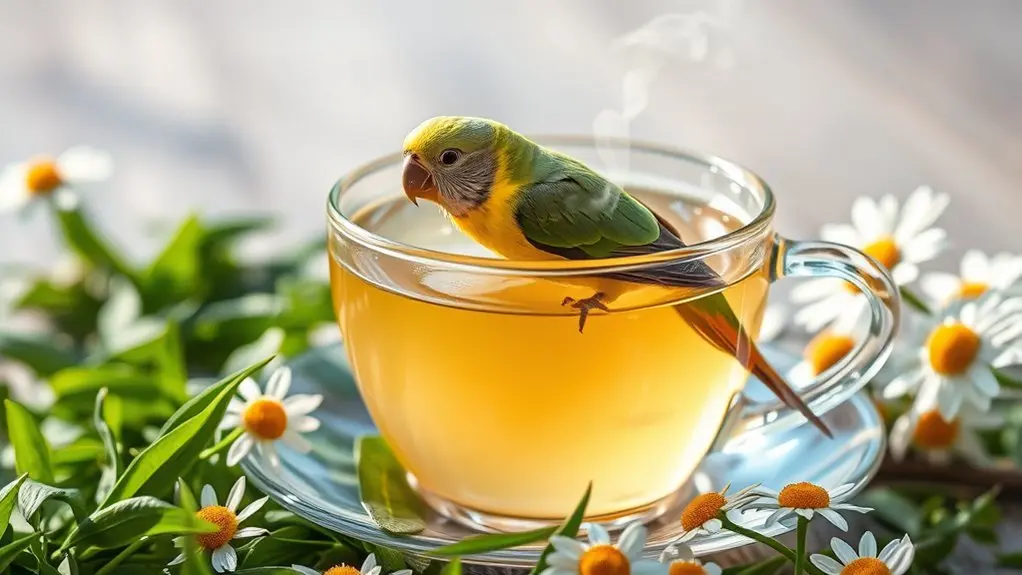
Although many teas are popular among humans, not all are safe for birds because of their chemical compositions. You should avoid teas containing caffeine, theobromine, or theophylline since these substances are toxic to parrots and other birds.
Many popular human teas contain chemicals toxic to birds, so avoid caffeine, theobromine, and theophylline.
Instead, herbal teas made from non-caffeinated herbs like chamomile, peppermint, and raspberry leaf are safer options. White tea, rooibos, and certain specialized herbal blends are also commonly used to support avian health.
When selecting teas, go for organic varieties without added flavorings, essential oils, or artificial ingredients to keep risks low.
Before introducing any tea to your bird, check all the ingredients carefully and chat with an avian veterinarian to make sure it suits your bird’s specific health needs.
This way, you can provide safe, beneficial beverages for your feathered friend.
Why Is Green Tea Risky for Your Parrot?
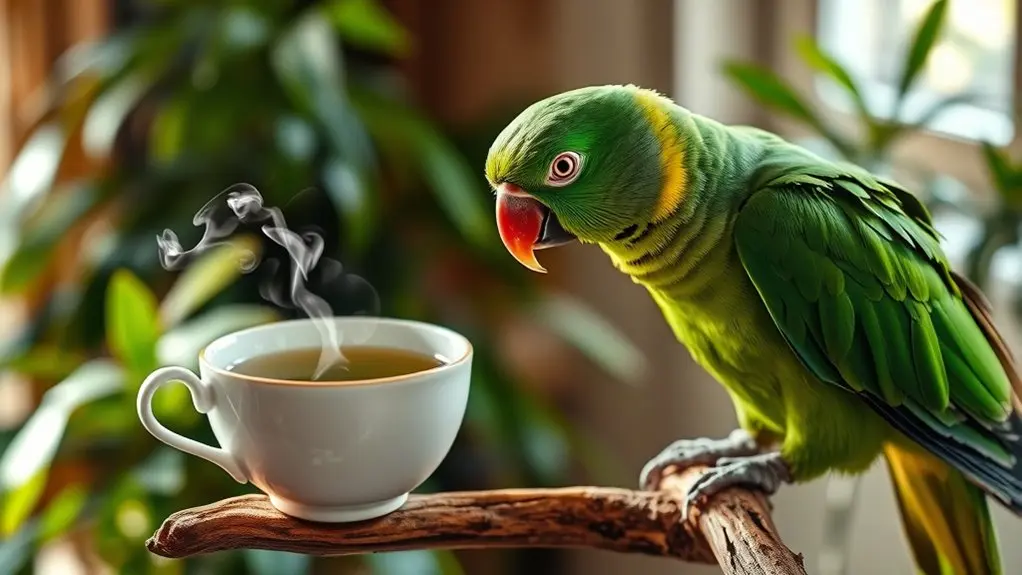
Because green tea contains caffeine, theobromine, and theophylline, it poses significant health risks to parrots. These alkaloids are toxic to birds, with caffeine especially causing increased heart rate, nervous system disturbances, and potential kidney damage.
Theobromine and theophylline similarly disrupt metabolic processes, increasing toxicity risk even at low doses. Parrots metabolize these compounds inefficiently, making even small amounts hazardous.
Veterinary experts strongly advise against offering any caffeinated teas, including green tea, to parrots due to these dangers.
Ingesting green tea can lead to symptoms such as hyperactivity, tremors, and organ stress, which may escalate to severe poisoning.
Which Herbal Teas Are Best for Parrots?
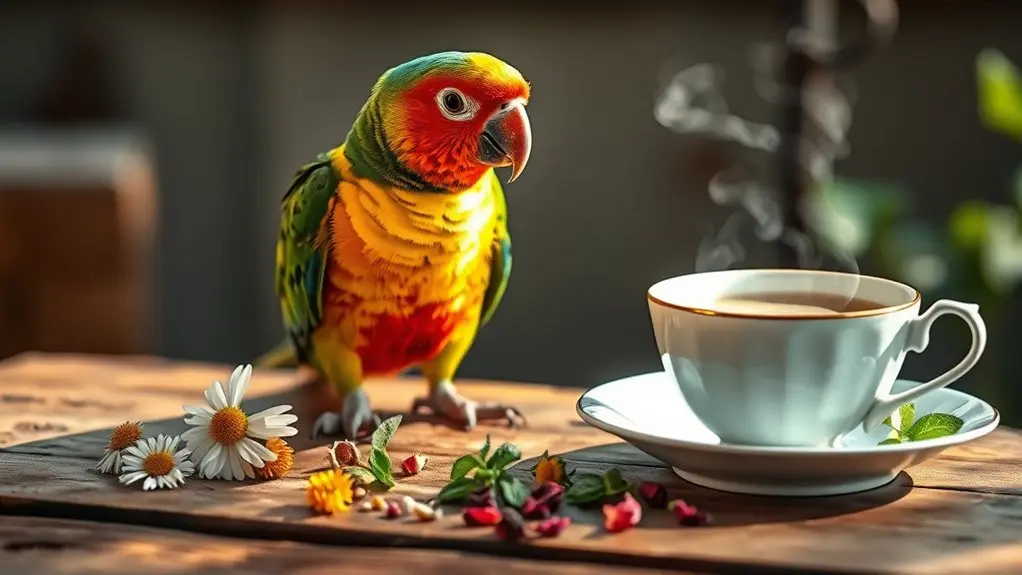
When selecting herbal teas for your parrot, you should prioritize options that are both safe and beneficial to their health. Chamomile tea is widely recognized for its calming effects and safety in parrots.
Peppermint tea, free of essential oils and caffeine, can support digestion and respiratory function.
Raspberry leaf tea offers minerals such as calcium and magnesium, which contribute to reproductive health and feather quality.
Calendula tea may promote gastrointestinal and skin health, making it a gentle choice.
Always choose organic, caffeine-free herbal teas specifically formulated for avian consumption to avoid harmful additives.
Avoid teas containing essential oils or synthetic compounds, as these can be toxic.
How Can Herbal Teas Help Your Bird Stay Healthy?
You can support your bird’s health by offering herbal teas that are packed with immune-boosting compounds and antioxidants. For example, chamomile is a great choice because it has calming effects that can help reduce stress.
And when your bird is less stressed, it’s less likely to pick at its feathers.
Choosing the right herbs is key. They not only help strengthen your bird’s immunity but also promote overall well-being by providing natural, easily absorbed nutrients.
It’s a simple, natural way to keep your feathered friend feeling their best!
Herbal Tea Benefits
How exactly can herbal teas contribute to your bird’s health? Herbal teas offer a natural source of antioxidants, vitamins, and minerals that bolster immune function and overall wellness. When prepared properly, they provide hydration without caffeine or harmful chemicals.
Here are three key benefits:
- Support Digestive and Respiratory Health: Compounds in herbs promote efficient digestion and clear respiratory pathways.
- Enhance Skin and Feather Condition: Nutrients improve feather quality and soothe irritated skin tissues.
- Provide Anti-Inflammatory Effects: Ingredients like chamomile reduce inflammation, aiding recovery from minor ailments.
Calming Effects Explained
Although birds naturally experience stress, herbal teas containing chamomile, lavender, or lemon balm actively reduce anxiety by modulating their nervous system. These herbs contain bioactive compounds that influence neurotransmitter activity, promoting relaxation and lowering stress responses in parrots.
When you offer gentle, herbal teas, you can help soothe behaviors linked to anxiety, such as feather-picking, improving your bird’s mental health.
Plus, the antioxidants and anti-inflammatory agents in these teas help reduce stress-induced inflammation, supporting overall physiological balance.
By adding herbal teas as a calming supplement, you boost your bird’s quality of life by encouraging restful behavior and emotional stability.
This approach gives you a natural, scientifically supported way to reduce stress without relying on pharmaceuticals or invasive interventions.
Immune Support Herbs
When herbal teas include immune-supporting ingredients like echinacea, elderberry, and calendula, they actively enhance your bird’s ability to fight infections and maintain health. These herbs provide vitamins and phytochemicals that strengthen the immune response.
You can support your bird’s health by carefully selecting herbal teas free from caffeine, essential oils, and artificial additives.
Consider these key benefits of immune-supportive herbal teas:
- Echinacea and elderberry stimulate immune cell activity, increasing resistance to pathogens.
- Calendula offers anti-inflammatory properties, aiding tissue repair and immune regulation.
- Antioxidant-rich herbs like dandelion root and rosehip reduce oxidative stress, protecting immune cells.
Incorporating these teas regularly can improve your bird’s overall immunity and health. But always consult an avian vet before introducing new herbal supplements.
How to Prepare and Serve Tea Safely to Your Bird
Because birds are sensitive to temperature and certain substances, you must brew tea with hot water but allow it to cool completely to room temperature before offering it.
Always brew tea with hot water, then cool it fully to room temperature before serving to birds.
Use only herbal, caffeine-free teas, and strain out leaves or ingredients that might cause choking or toxicity.
Serve the tea in a small, shallow dish or with a dropper, avoiding portions over 8-10 ounces.
Remove tea bags or herbs within a few hours to prevent bacterial growth.
Never add dairy or sweeteners, and always provide fresh water alongside the tea for proper hydration.
It’s best to keep things simple to keep your bird safe and happy.
How Much Tea Should You Give Your Bird?
To keep your bird healthy, you should limit tea intake to no more than 8 to 10 ounces per day. Offer it only 1 to 3 times a week as a supplement, not as a regular part of their diet. Serving tea in moderation helps prevent overhydration and keeps their diet balanced.
Always make sure the tea is cooled to room temperature before giving it to your bird. This avoids any burns or discomfort.
If you’re using herbal teas, diluting them a bit can reduce their strength and help prevent digestive upset, especially in sensitive birds.
Here are some simple guidelines to remember:
- Limit the amount to 8–10 ounces per day.
- Serve tea only 1–3 times a week, not every day.
- Watch how your bird responds and adjust the amount if needed.
If you’re ever unsure about how much tea is right for your specific bird, it’s best to check with an avian veterinarian.
What Are the Signs of Tea Toxicity in Birds?
You should watch for signs like rapid breathing, tremors, weakness, and abnormal heart rhythms—these are common indicators of tea toxicity in birds.
Sometimes, you might also notice hyperactivity, seizures, or a loss of coordination, which could mean the bird has been exposed to toxic compounds like caffeine or theobromine.
If your bird starts vomiting, has diarrhea, or shows sudden changes in behavior, it’s really important to seek urgent care.
Acting quickly can help prevent serious problems like organ failure.
Common Toxicity Symptoms
Although tea might seem harmless, its consumption can trigger a range of toxic symptoms in birds that you should recognize promptly. Caffeine and theobromine in tea affect their nervous and cardiovascular systems. This often leads to rapid breathing, lethargy, tremors, and abnormal heart rhythms.
You may also notice digestive disturbances like vomiting or diarrhea. Neurological signs can include wing flapping, loss of coordination, or muscle weakness.
Key symptoms to watch for include:
- Hyperactivity, increased heart rate, and seizures caused by stimulants in tea.
- Digestive upset such as vomiting and diarrhea indicating gastrointestinal distress.
- Neurological impairments including tremors and coordination loss reflecting systemic toxicity.
Timely recognition of these symptoms is essential because untreated toxicity can rapidly worsen.
Urgent Care Indicators
Recognizing the urgent care indicators of tea toxicity in birds can make a significant difference in outcomes. If your bird suddenly becomes lethargic, loses appetite, vomits, or shows difficulty breathing, these are immediate warning signs.
Caffeine and theobromine in tea may induce rapid heart rate, tremors, or seizures, particularly in parrots. You might also notice wing drooping, an unsteady gait, or increased vocalization.
These symptoms can escalate quickly, leading to collapse or coma if toxic substances are ingested in large amounts.
If your bird exhibits any of these signs after consuming tea, seek veterinary care immediately. Prompt intervention is vital to prevent severe complications and improve the chances of recovery.
Always err on the side of caution when dealing with potential tea toxicity in birds.
Can Tea Help Calm Feather-Picking or Stressed Birds?
When dealing with feather-picking or stressed birds, herbal infusions such as chamomile have gained attention for their potential calming effects. You can use caffeine-free, bird-safe herbal infusions to support relaxation and reduce anxiety-related behaviors.
To effectively use tea in this context, consider the following: Gradually introduce warm, mild herbal infusions to provide a comforting sensory experience that may help ease stress.
Start with warm, mild herbal infusions to gently soothe your bird and ease stress.
You might want to try a chamomile infusion spray mixed with aloe and water to soothe itchy or irritated skin, which can sometimes lead to feather-picking.
Also, herbal infusions can be great supportive remedies during stressful events like vet visits or cage changes to help calm your bird. Just make sure the infusion contains no harmful ingredients.
Keep a close eye on your bird’s response to confirm the tea is both effective and safe. It’s all about finding what works best for your feathered friend.
When Should You Avoid Giving Tea to Your Bird?
You should avoid giving your bird tea that contains caffeine or other toxic compounds like theobromine. These substances can actually harm your bird’s metabolism.
Also, if your bird is sick, weakened, or has specific sensitivities, it’s a good idea to check with a vet before offering any tea. This way, you won’t accidentally make any health issues worse.
And remember, always keep an eye out for any signs that your bird isn’t feeling well after drinking tea. If you notice anything unusual, stop giving the tea right away.
Caffeine And Toxicity Risks
Although tea might seem like a harmless beverage, its caffeine content poses serious health risks to your bird. Caffeine, along with related compounds like theobromine and theophylline found in some teas, can induce rapid heartbeat, tremors, neurological disturbances, and even cardiac failure in parrots.
Even trace amounts may impair your bird’s nervous system and kidney function. Veterinary experts strongly advise against offering any caffeinated beverages to birds to avoid toxicity.
You should avoid giving tea to your bird if the tea contains caffeine, theobromine, or theophylline. Also, if your bird shows signs of caffeine poisoning such as hyperactivity, increased respiration, vomiting, or seizures, it’s best to keep tea away.
And of course, if you want to prevent potential acute or chronic organ damage, steering clear of tea is the way to go. Immediate veterinary care is vital if poisoning symptoms appear. Don’t wait—get help right away if you notice anything unusual.
Health Conditions And Sensitivities
Because birds with certain health conditions have heightened sensitivity to stimulants and irritants, offering tea to them requires caution.
If your bird has kidney or heart problems, avoid teas containing caffeine or stimulants like theobromine. These compounds can make their condition worse.
Young, sick, or recovering birds are especially vulnerable to toxins and really shouldn’t have tea without getting the okay from a vet first.
Herbal teas with essential oils or strong herbs might irritate sensitive respiratory or digestive systems, causing discomfort or even harm.
Also, birds that show feather-plucking or stress-related behaviors might react badly to ingredients that either stimulate or sedate.
So, it’s super important to carefully check your bird’s health and sensitivities before giving them tea.
Always put their safety and well-being first.
Veterinary Guidance Necessity
Given the heightened sensitivities and health risks certain birds face with tea consumption, seeking veterinary guidance becomes necessary prior to offering any tea.
You should avoid giving tea to your bird without professional advice, especially when your bird is sick, stressed, or on medication. Tea ingredients may worsen health conditions in these cases.
Also, if your bird is young or still developing, it’s best to be cautious. Some compounds in tea can interfere with growth and development.
And watch out for teas that contain caffeine or herbal components with essential oils, as these may be toxic without veterinary approval.
Always check with an avian veterinarian before introducing tea to your bird, especially if you want to use it as a supplement or remedy. This helps ensure the safety and appropriateness tailored to your bird’s species, health status, and specific needs.
That way, you can prevent any unintended adverse effects from tea exposure.
Why Should You Always Consult an Avian Vet Before Offering Tea?
Before offering tea to your bird, you should always consult an avian vet to guarantee safety and appropriateness. Vets assess tea types, ingredient safety, and your bird’s health status to prevent toxicity from substances like caffeine or essential oils.
They also guide you on the correct dosage and frequency, making sure tea supplements rather than replaces medical treatments. Plus, consulting helps identify any contraindications due to underlying conditions.
| Aspect | Vet’s Role | Importance |
|---|---|---|
| Tea Ingredient Safety | Evaluates components | Prevents toxic exposure |
| Dosage & Frequency | Recommends appropriate amounts | Avoids overdose or harm |
| Health Condition Check | Detects contraindications | Ensures safe consumption |
| Treatment Integration | Supports medical therapies | Prevents substituting medicine |
Getting professional guidance ensures your bird’s health stays uncompromised when you introduce tea. It’s always better to be safe than sorry!
Frequently Asked Questions
Can Baby Birds Drink Tea Safely?
You shouldn’t give baby birds tea because their sensitive digestive systems can’t handle it.
Instead, provide fresh water. And always check with a vet before introducing any liquids. This helps avoid dehydration, toxicity, or digestive issues.
Better safe than sorry, right? Keeping things simple with water is the best way to go.
Does Tea Affect a Bird’s Sleep Patterns?
Yes, tea affects a bird’s sleep by causing restlessness and insomnia, especially due to caffeine. You should avoid giving tea late.
Prefer caffeine-free options, and serve it cooled to support your bird’s healthy circadian rhythm.
Can Tea Interact With Bird Supplements or Vitamins?
Yes, tea can interact with bird supplements or vitamins by reducing mineral absorption because of caffeine and tannins. These compounds can bind to minerals and make them harder for your bird to absorb.
It’s a good idea to talk to an avian vet about this. They can help you figure out the best timing for giving supplements. That way, your bird gets all the nutrients it needs without any issues.
How Often Can Birds Drink Tea Without Dependency?
You shouldn’t give birds tea more than 1-3 times weekly to prevent dependency. Gradually introduce it while monitoring their behavior. This way, you can make sure they’re doing okay with the new drink.
Also, make sure tea supplements rather than replaces fresh water and nutrients. It’s super important to maintain their hydration and dietary balance. That keeps your feathered friends healthy and happy!
Are There Specific Bird Species That Should Never Have Tea?
You shouldn’t give tea to canaries, finches, or birds with kidney or heart issues, as they’re highly sensitive to caffeine and toxins. Always consult an avian vet before offering tea to vulnerable species to guarantee safety.
It’s better to be safe than sorry when it comes to your feathered friends. Some birds just can’t handle the stuff, so double-check with a pro!
Conclusion
You might think offering tea to your bird is harmless, but the truth is more complex. Certain teas can benefit your feathered friend, while others pose real risks, especially green tea.
Herbal options might support health, but improper preparation or dosage could lead to toxicity. Before you pour that cup, pause and consult your avian vet.
The safety and well-being of your bird depend on informed choices, not guesswork. So, it’s always better to be safe than sorry when it comes to your feathered companion.