
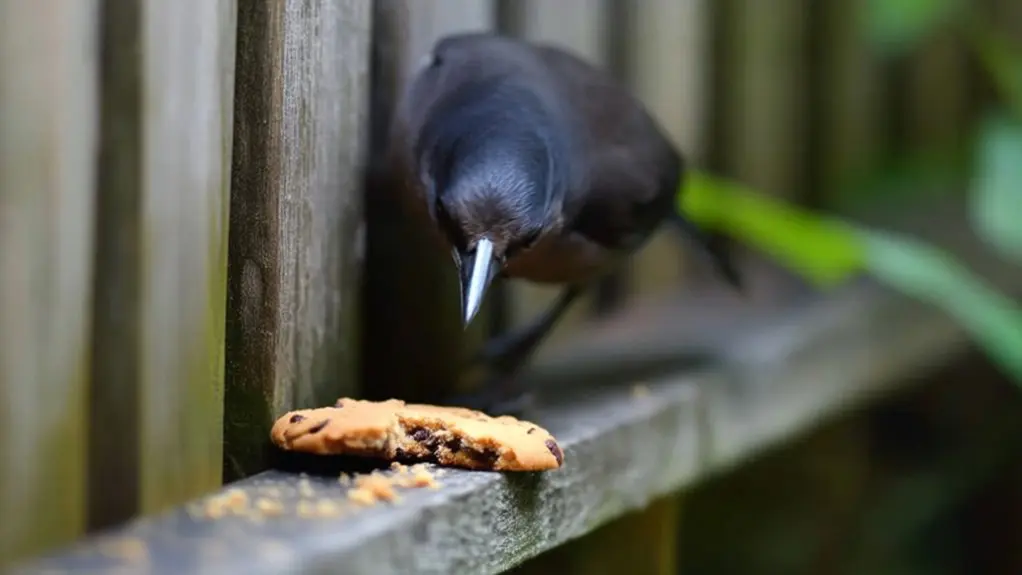
You shouldn’t give your bird chocolate chip cookies because they contain toxic substances like theobromine and caffeine. These can cause vomiting, seizures, heart problems, or even death.
Other ingredients such as nuts, dried fruits, and artificial sweeteners also pose serious health risks. If your bird accidentally eats these cookies, prompt veterinary care is essential.
Understanding the dangers, symptoms, and safe treat alternatives can help you better protect your bird’s health and well-being. It’s always better to be safe than sorry when it comes to your feathered friend’s diet.
Why Chocolate Chip Cookies Are Dangerous for Birds
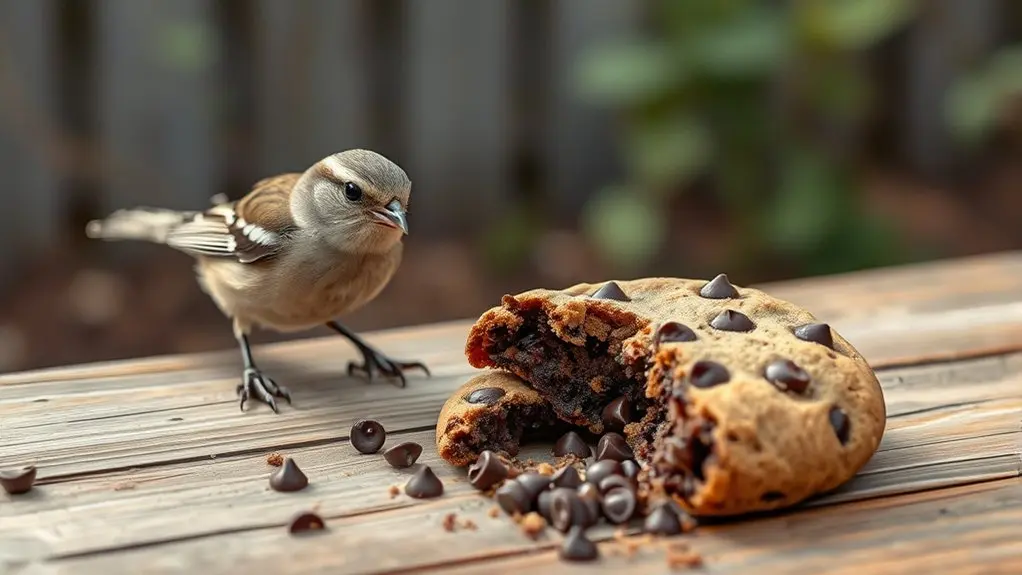
Because chocolate chip cookies contain chocolate, they pose a serious health risk to birds due to theobromine and caffeine, compounds toxic to avian species. When you feed birds these cookies, even small amounts of chocolate can trigger symptoms like vomiting, increased heart rate, and tremors.
Additionally, the high sugar and fat content in cookies can cause digestive upset and lead to obesity in birds. Other ingredients, such as nuts or artificial additives, may introduce further health risks.
It’s important to understand that these factors combined can cause severe poisoning in birds, potentially resulting in seizures or death. So, you should avoid offering chocolate chip cookies to birds to protect their health and well-being.
How Chocolate Poisoning Affects Birds
You should know that theobromine and caffeine found in chocolate are toxic to birds. They can cause symptoms like hyperactivity, vomiting, and seizures.
These symptoms can get worse and lead to serious heart problems, such as arrhythmias and even heart failure.
How badly a bird is affected depends on its size and how much chocolate it ate.
It’s really important to recognize these signs early so the bird can get quick veterinary care. Doing so can help prevent fatal outcomes.
Toxic Components In Chocolate
How does chocolate affect birds when they consume chocolate chip cookies? Chocolate contains theobromine and caffeine, toxic substances that can harm birds even in small amounts. These compounds stimulate the bird’s nervous system and heart, causing increased heart rate and hyperactivity.
In severe cases, this stimulation can lead to heart failure. The concentration of these toxins varies, with darker and baking chocolates having higher levels, which means greater risks for birds.
Since birds are small, they’re particularly vulnerable to theobromine and caffeine poisoning.
When birds ingest chocolate chip cookies, the chocolate chips introduce these harmful substances into their system. This can quickly affect their physiological functions.
Symptoms And Dangers
What symptoms should you watch for if a bird eats chocolate chip cookies? Chocolate contains theobromine and caffeine, which are toxic to birds. Early signs include vomiting, diarrhea, hyperactivity, increased heart rate, and tremors.
If untreated, poisoning can escalate to heart arrhythmias, respiratory failure, seizures, and death. The severity depends on the amount of chocolate and the bird’s size. Immediate veterinary care is critical to prevent fatal outcomes.
| Symptom | Description | Severity Level |
|---|---|---|
| Vomiting | Expulsion of stomach contents | Mild to Moderate |
| Tremors | Involuntary muscle contractions | Moderate to Severe |
| Heart Arrhythmia | Irregular heartbeat | Severe |
| Seizures | Uncontrolled convulsions | Life-threatening |
Recognizing these symptoms quickly can save your bird’s life. So, if you notice any signs, don’t wait—get help right away.
Other Toxic Ingredients in Chocolate Chip Cookies Birds Should Avoid
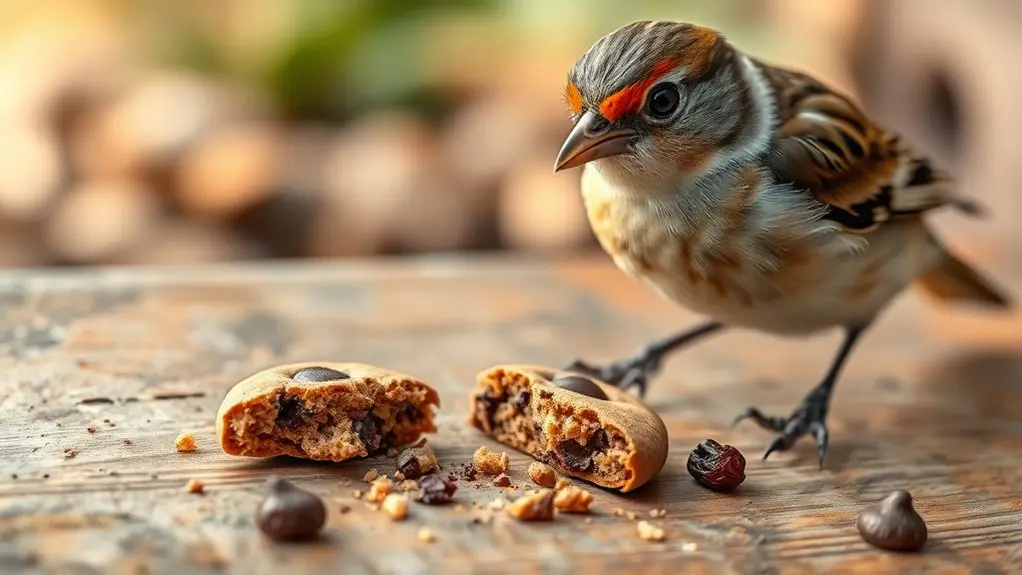
Although chocolate is the primary concern in chocolate chip cookies, several other ingredients pose significant risks to birds. You should be aware that certain components can harm your feathered friends beyond just chocolate toxicity.
For instance, nuts and dried fruits, common in some recipes, may cause digestive issues or toxicity if consumed excessively.
Artificial sweeteners like xylitol are highly dangerous. They can potentially induce hypoglycemia and liver failure.
Additionally, the high sugar and fat content contributes to obesity and cardiovascular problems over time.
Consider these harmful ingredients to protect birds:
- Nuts and dried fruits: Potential toxins or digestive irritants
- Artificial sweeteners (xylitol): Can cause severe metabolic damage
- Excessive sugar and fat: Leads to obesity and heart disease
Common Symptoms When Birds Eat Chocolate Chip Cookies
Beyond the harmful ingredients found in chocolate chip cookies, you should recognize the physical reactions birds may exhibit after ingestion. Birds often show hyperactivity, including restlessness and rapid movements, soon after eating these treats.
Birds may become restless and hyperactive shortly after consuming chocolate chip cookies.
Gastrointestinal symptoms like vomiting and diarrhea can quickly develop as their bodies react to the toxins. The caffeine and theobromine in chocolate chips commonly cause increased heart rate and irregular heartbeat.
In severe cases, you might observe tremors, seizures, or respiratory distress, indicating significant toxicity. These symptoms reflect the bird’s physiological response to harmful compounds in the cookies.
If you notice any of these signs, it’s critical to monitor your bird closely and consider professional care.
Understanding these symptoms helps you act promptly to protect your bird’s health. So, keep a close eye on your feathered friend if you suspect they’ve eaten something they shouldn’t have.
Immediate Steps After Your Bird Eats Chocolate Chip Cookies
If your bird eats chocolate chip cookies, the first thing you want to do is figure out how much they ate and when. This info is really important because it helps vets understand the situation better.
Next, don’t wait—reach out to a veterinarian or the Pet Poison Helpline right away for professional advice.
While you’re waiting, keep a close eye on your bird. Watch for any signs that something might be wrong, like unusual behavior or distress.
Assess Ingestion Details
When your bird eats chocolate chip cookies, you should immediately watch for any signs of distress like vomiting, diarrhea, or hyperactivity.
Quickly figure out how much and what type of chocolate was involved. This info is really important to understand the risk of toxicity.
Think about how many cookies your bird ate and their size. Also, check if the cookies have dark, semi-sweet, or milk chocolate.
Notice any immediate changes in your bird’s behavior or physical condition.
These details help you gauge how serious the exposure to theobromine and caffeine might be.
Avoid trying home remedies or making your bird vomit, as this can make things worse.
Instead, focus on gathering accurate info to share with a professional so your bird can get the right care fast.
Contact Veterinary Help
Although immediate veterinary intervention may seem intimidating, contacting a veterinarian or Pet Poison Helpline is crucial right after your bird consumes chocolate chip cookies containing chocolate or cocoa.
Provide precise details about the cookie type, quantity ingested, and time of ingestion to aid emergency assessment.
Also, share your bird’s species, age, weight, and overall health status to help the vet evaluate poisoning severity accurately.
Follow the veterinarian’s instructions strictly; they may recommend bringing your bird in for examination or inducing vomiting if appropriate.
Prompt communication ensures timely treatment decisions and increases the chances of recovery.
Monitor Symptoms Closely
Since chocolate toxicity can progress rapidly, you should monitor your bird closely for symptoms such as hyperactivity, vomiting, diarrhea, or rapid breathing immediately after ingestion. These signs indicate potential poisoning and require urgent attention.
Keep your bird away from further access to chocolate or toxins to prevent worsening effects.
Make sure to keep watching your bird for at least 24 hours. Sometimes symptoms like tremors or seizures might show up later, so it’s important to stay alert.
You should also record all symptoms carefully to help veterinarians with emergency treatment. Contact a veterinarian or pet poison control center right away, and be ready to share details about the type and amount of chocolate your bird ate.
Preparing detailed observations can really help guide effective medical care. Vigilant monitoring is essential to ensure a quick response and minimize harm from chocolate toxicity.
Veterinary Treatments for Chocolate Poisoning in Birds
How do veterinarians effectively treat chocolate poisoning in birds? They begin with crop lavage and administer activated charcoal to prevent further toxin absorption.
You’ll find that controlling symptoms like hyperactivity, tremors, and seizures is crucial, so medications are used accordingly. Throughout treatment, continuous monitoring of vital signs and cardiac function is essential, often extending over 24 to 48 hours.
Intravenous fluids help maintain hydration and support organ function. In severe cases, veterinarians employ advanced interventions such as ECG monitoring and emergency medications to manage arrhythmias and cardiac failure.
Safe Treat Alternatives to Chocolate Chip Cookies for Birds
When you want to treat your bird safely, choosing alternatives to chocolate chip cookies is essential to avoid toxic effects. Birds can enjoy a variety of nutritious, non-toxic snacks that support their health without risking chocolate poisoning.
Consider these safe options:
Fresh fruits like seedless apple slices, mango, or berries provide vitamins and antioxidants. Cooked vegetables such as carrots, peas, and sweet potatoes offer fiber and essential nutrients. Unsalted plain crackers or rice cakes give a crunchy, low-fat treat in moderation.
Additionally, small amounts of cooked lean meats or eggs can supplement protein intake, but avoid seasoning or oils.
Opting for commercially available bird-safe treats specially formulated for avian diets is ideal. These choices guarantee your bird receives enjoyable, healthful snacks without harmful ingredients.
Tips to Prevent Your Bird From Eating Toxic Human Foods
Providing safe, bird-friendly treats reduces the risk of exposure to toxic human foods like chocolate chip cookies. To protect your bird, keep cookies stored in sealed, bird-proof containers, out of their reach. Educate family and guests about the dangers of feeding birds harmful human snacks, especially those containing chocolate.
Avoid leaving cookies unattended on counters or tables, and supervise pets to prevent accidental sharing. Replace toxic treats with safe options such as fresh fruits and vegetables during interactions.
Additionally, regularly inspect your environment for dropped crumbs or wrappers that could tempt your bird to ingest harmful substances.
Frequently Asked Questions
Can Small Birds Metabolize Chocolate Differently Than Larger Birds?
Yes, small birds metabolize chocolate differently than larger birds. Their faster metabolism and lower body weight cause quicker toxin absorption and more severe effects. This makes even small amounts of chocolate considerably more dangerous for them.
Are Homemade Chocolate Chip Cookies Less Toxic to Birds?
Imagine your pet parrot nibbling homemade cookies; they’re just as toxic as store-bought ones. You shouldn’t assume homemade treats are safer since theobromine levels vary, especially with darker chocolate. This can pose serious risks to birds.
How Long Does Chocolate Poisoning Symptoms Last in Birds?
You’ll see chocolate poisoning symptoms in birds lasting several hours up to 24 hours. Sometimes, if it’s severe, symptoms can last 24 to 48 hours.
Getting prompt veterinary care can really help shorten the recovery time. Without it, symptoms might stick around longer or even become fatal within a day. So, acting quickly is super important.
Can Birds Develop a Tolerance to Chocolate Over Time?
No, you can’t expect birds to develop tolerance to chocolate. Their bodies lack the enzymes to process toxic compounds, so repeated exposure only worsens their health risks, like heart issues and seizures.
It’s best to avoid feeding chocolate to birds entirely. Trust me, it’s not worth the risk!
Is Chocolate Poisoning in Birds Always Fatal Without Treatment?
You should know untreated chocolate poisoning kills up to 70% of affected birds. It’s not always fatal, but symptoms worsen quickly.
Acting fast with veterinary care drastically improves survival chances, so don’t delay treatment. Getting help right away can make all the difference.
Conclusion
You shouldn’t let your bird nibble on chocolate chip cookies, as the toxic compounds can quickly turn a sweet treat into a health hazard. Just like a ticking time bomb, chocolate poisoning can cause serious symptoms that need immediate attention.
Instead, offer safe, bird-friendly snacks to keep your feathered friend healthy. By staying vigilant and informed, you can prevent accidental poisonings and keep your bird happy and safe.
Remember, avoiding harmful human foods is the best way to guarantee your bird’s well-being. It’s all about making smart choices for your feathered buddy!