
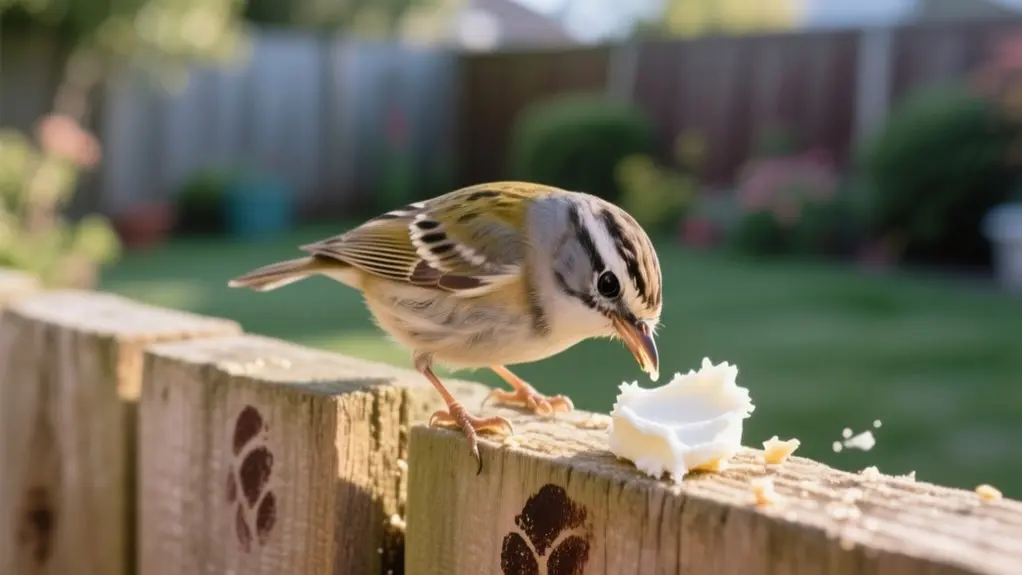
You shouldn’t feed Crisco to birds because it contains artificial, hydrogenated fats that harm their health and disrupt their feather function. Unlike natural suet, Crisco lacks essential nutrients and can cause digestive issues while making feathers greasy and less protective.
These problems increase birds’ vulnerability to cold and illness. Instead, choosing safer, natural fat options helps keep birds healthy and supported through winter. Discover why Crisco isn’t the best choice and what safer alternatives you can try.
What Is Crisco and How Is It Made?
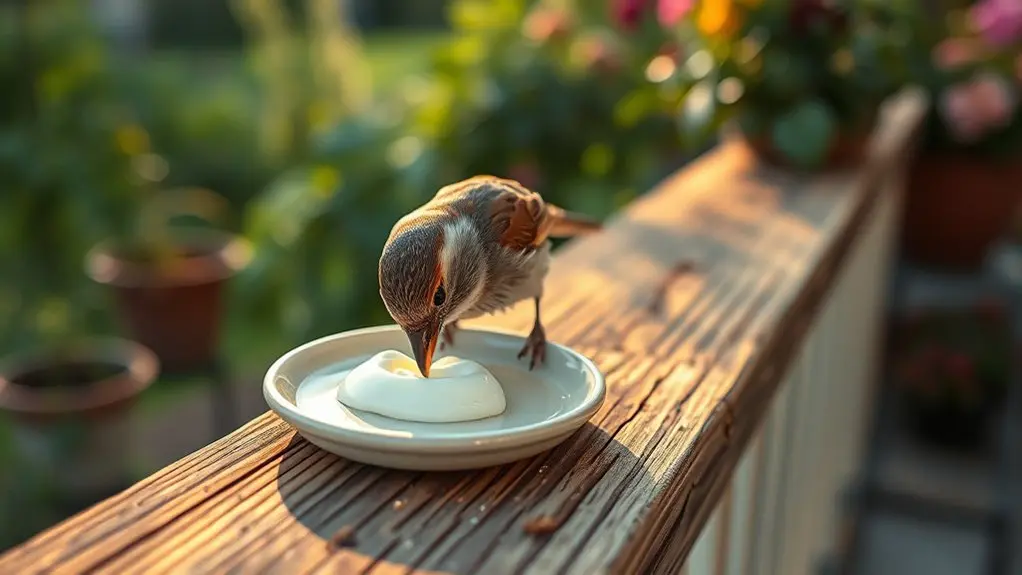
Crisco is a type of shortening made by hydrogenating vegetable oils, mainly palm and soybean oils, to turn them into a solid fat at room temperature.
When you hydrogenate vegetable oils, you add hydrogen molecules to liquid oils, transforming them into a more stable, shelf-stable fat. This process creates Crisco’s signature texture and long-lasting quality.
However, hydrogenated vegetable oils in Crisco contain a high percentage of trans fats, which pose health risks. The palm oil used also raises environmental concerns, like deforestation and habitat loss.
Hydrogenated oils in Crisco have trans fats linked to health risks, and palm oil contributes to environmental damage.
When you understand how Crisco is made, you see it’s an artificial product designed for cooking, not a natural food source. Its composition makes it unsuitable for birds or wildlife.
Why Do People Feed Crisco to Birds?
You might think feeding Crisco to birds is a helpful way to give them extra energy, especially in colder months. Many people do it because it’s convenient or they’ve heard it works as a cheap fat source.
Sometimes, it’s even used in educational settings.
But here’s the thing: it’s important to understand the misconceptions about its safety. Experts actually recommend safer alternatives because Crisco isn’t the best option for birds.
Common Feeding Motivations
Although it might seem unusual, many people feed birds Crisco because it offers a quick source of fat, especially during colder months when birds need extra energy to survive.
Understanding common feeding motivations helps you see why this practice persists:
- You may want to provide birds with an easy, high-calorie food to help them endure harsh weather.
- Some believe Crisco attracts a variety of bird species due to its fat content, hoping to observe more birds.
- In group settings, like schools, Crisco is sometimes used for bird-feeding activities despite nutritional concerns.
However, if you want to protect yourself from online misinformation, remember that not all fats are beneficial.
Crisco contains hydrogenated fats and palm oil, raising ethical and health questions for wildlife feeding.
Cultural And Educational Uses
When educators want to demonstrate how fats attract birds, they often turn to Crisco despite its unsuitability as bird food. In educational settings like Montessori groups, Crisco serves as a simple example to show how fats can lure birds, though it’s not a healthy choice.
Feeding Crisco also ties into cultural traditions where people mistakenly see it as a natural option for birds. These practices highlight the need for better education on safe, nutritious alternatives.
Understanding why Crisco isn’t suitable helps challenge these traditions and promotes awareness about environmental impacts, such as palm oil production’s role in deforestation.
Misconceptions About Safety
Many people feed Crisco to birds believing it offers a safe and energy-rich food source, especially during winter. However, this misconception can compromise birds’ health and safety. Here’s why people do it:
- They assume Crisco’s fat content provides essential energy.
- They believe it’s a convenient substitute for natural fats like suet.
- They think any fat is better than no fat during cold months.
In reality, Crisco is made from hydrogenated oils, lacking vital fatty acids and vitamins birds need. Feeding it can damage feather integrity, reducing insulation and making birds vulnerable to harsh weather.
Plus, Crisco’s palm oil production contributes to habitat destruction, threatening bird populations globally.
Is Crisco Safe for Birds?
Why should you think twice before offering Crisco to birds? You might wonder, is Crisco safe for birds? The answer is no. Crisco is a hydrogenated fat made mainly from palm oil, which isn’t natural for birds and poses serious health risks.
Feeding it can leave birds with greasy feathers, disrupting their insulation and waterproofing. Its high saturated fat content is tough for birds to digest, potentially causing nutritional deficiencies.
Beyond individual bird health, environmental concerns also make Crisco a poor choice. Palm oil production contributes to deforestation and habitat loss, harming bird populations in the wild.
Instead, you should choose natural alternatives like true suet or peanut butter to support both bird health and the environment.
How Does Crisco’s Nutrition Compare to Traditional Suet?
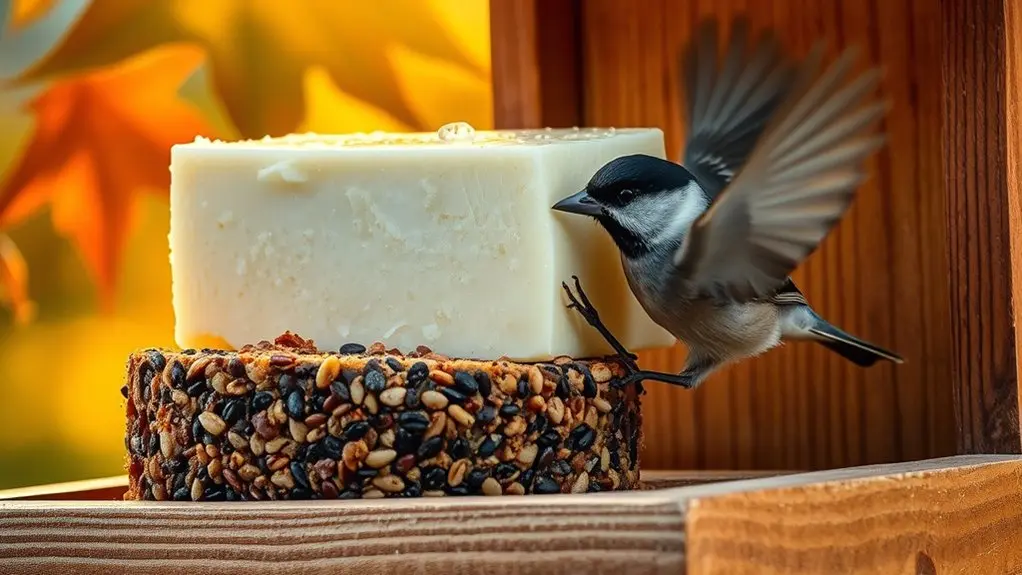
How does Crisco’s nutritional profile stack up against traditional suet? When comparing their nutrition, you’ll notice key differences affecting birds’ health:
Traditional suet, made from beef fat, offers a balanced mix of saturated and unsaturated fats.
Crisco contains mostly hydrogenated palm oil with high saturated fat but lacks essential nutrients.
Traditional suet provides concentrated energy birds need, while Crisco’s composition means it doesn’t deliver the same energy density.
Suet contains about 3% unsaturated fatty acids, crucial for birds, whereas Crisco’s higher vegetable fat content is less beneficial.
Choosing traditional suet over Crisco guarantees birds receive better nutrition, supporting their energy and health more effectively.
How Digestible Is Crisco for Wild Birds?
Can wild birds properly digest Crisco? Unfortunately, Crisco’s digestibility for wild birds is quite poor. This hydrogenated vegetable shortening contains high levels of saturated fats, which are tough for birds to break down.
Birds need fats that are easy to digest and absorb quickly to fuel their high metabolic rates, but Crisco doesn’t fit the bill. Unlike natural fats like suet or peanut butter, Crisco’s composition can cause gastrointestinal problems and hinder the absorption of essential fat-soluble vitamins.
Feeding birds Crisco may lead to nutritional deficiencies and health issues due to its artificial nature and poor digestibility.
How Does Crisco Affect Bird Feathers and Insulation?

Although Crisco might seem like an easy treat, it actually harms bird feathers and insulation. You should know that exposing birds to Crisco can have serious effects:
- Crisco’s greasy texture sticks to bird feathers, disrupting their natural oils and water repellency.
- This interference reduces the feathers’ ability to insulate, making birds vulnerable to cold and forcing them to seek shelter.
- Crisco compromises feather integrity, which can lead to discomfort and impair a bird’s ability to maintain warmth.
Because Crisco is hydrogenated fat without essential nutrients, it fails to support healthy feather maintenance.
When bird feathers lose their protective qualities, birds struggle to regulate body temperature.
Health and Safety Risks of Feeding Crisco to Backyard Birds
You really shouldn’t feed Crisco to backyard birds. Its hydrogenated fats can actually harm their health and even damage their feathers.
These unnatural fats are hard for birds to digest, which isn’t good for them at all.
Plus, Crisco can weaken their insulation, making it tougher for birds to stay warm.
Toxicity Concerns of Crisco
While Crisco might seem like a convenient option for feeding backyard birds, it poses serious health risks due to its high saturated fat content and lack of essential nutrients.
You should be aware of the following toxicity concerns and nutritional deficiencies linked to Crisco:
- Crisco’s hydrogenated palm oil contains unnatural fats that can harm birds’ digestive systems, causing illness.
- It lacks crucial vitamins and fatty acids, leading to nutritional deficiencies that weaken birds’ overall health.
- Excess saturated fats contribute to long-term health problems, reducing birds’ ability to thrive.
Feeding Crisco may seem easy, but it compromises bird well-being.
Instead, choose safer alternatives like peanut butter or true suet. They provide better nutrition without toxicity risks.
Protect your feathered friends by avoiding Crisco in your backyard feeding routine.
Impact on Feather Health
Because Crisco contains hydrogenated oils, feeding it to birds can cause their feathers to become greasy and lose their natural insulation and water repellency. This impact on feather health is serious; greasy feathers can’t protect birds from cold or wet conditions, increasing their risk of hypothermia.
When birds preen feathers coated in Crisco, they spread unhealthy fats onto their skin and plumage, further damaging feather integrity.
Unlike natural suet, Crisco’s soft consistency and lack of essential nutrients disrupt the feather’s oil balance, leading to poor feather condition and nutritional deficiencies.
If you feed Crisco, you unintentionally harm birds’ feather health, which affects their survival and overall well-being, especially during harsh weather.
Protecting feather health means avoiding Crisco altogether.
Alternatives to Crisco Feeding
Although Crisco might seem like an easy option, it poses serious health and safety risks for backyard birds due to its hydrogenated fats and lack of essential nutrients.
Instead, consider these safer alternatives:
- Mix peanut butter with cornmeal to create a nutrient-rich, high-energy treat birds love.
- Offer true suet cakes made from natural fats, which support feather health and insulation.
- Use vegetable shortening as a safer fat source, avoiding the harmful effects of hydrogenated oils.
These options provide balanced nutrition without the risks Crisco presents, such as compromised feathers and susceptibility to harsh weather.
Plus, they avoid ethical concerns tied to palm oil production.
Crisco’s Palm Oil and Its Environmental Impact
When you choose Crisco, you’re also supporting the use of hydrogenated palm oil, a key ingredient linked to widespread deforestation and habitat destruction in tropical regions. This environmental impact harms biodiversity, endangers species like orangutans, and increases greenhouse gas emissions.
Over half of palm oil comes from Indonesia and Malaysia, where rainforests are cleared to meet demand.
| Impact Area | Details |
|---|---|
| Deforestation | Loss of tropical rainforests |
| Species Threatened | Orangutans and other wildlife |
| Emissions | Increased greenhouse gases |
Understanding these effects helps you see how Crisco’s palm oil contributes to environmental harm and why considering its impact matters.
Safer Fat Alternatives to Crisco for Bird Feeding
When you’re feeding birds, picking healthier fat options really makes a difference for their well-being.
Natural choices like peanut butter, true suet, and some vegetable shortenings provide essential nutrients without the risks that come with Crisco.
By using these safer fats, you’re helping support the birds’ health while keeping your feeding routine natural and safe.
It’s a simple switch that can have a big impact!
Healthy Fat Options
Since feeding birds healthy fats is essential for their energy and well-being, you’ll want to choose alternatives to Crisco that provide better nutrition and safety.
Instead of saturated fats, focus on healthy fat options rich in unsaturated fats, which birds digest more easily. Here are three great choices:
- Peanut butter mixed with cornmeal offers protein and energy without harmful hydrogenated fats.
- True suet provides concentrated energy during colder months thanks to its high melting point.
- Commercial bird fats made from vegetable shortening meet nutritional needs while minimizing health risks.
Natural Bird Feeding
Choosing the right fat for feeding birds goes beyond just picking something that’s easy to spread. You want to provide natural alternatives that support birds’ health without causing harm.
Unlike Crisco, which is made from hydrogenated palm oil and can damage feathers and insulation, true suet and peanut butter mixed with cornmeal offer safer choices.
True suet delivers concentrated energy with a high melting point, while peanut butter provides protein that’s easier for birds to digest.
These options help maintain balanced nutrition, ensuring birds get the fats and nutrients they need to stay active and warm.
How to Provide a Balanced Diet Beyond Crisco and Fats
Although fats like Crisco provide quick energy, you’ll need to offer birds a variety of seeds, fruits, and protein sources to guarantee they get all the nutrients they need.
A balanced diet is vital because high-fat diets alone can lead to deficiencies.
Maintaining a balanced diet is essential to prevent nutrient deficiencies caused by high-fat foods alone.
To provide this balance, focus on including seeds high in unsaturated fats, like sunflower seeds, to meet energy needs without harm.
Also, add protein sources such as mealworms or nuts to support muscle and feather health.
Don’t forget to offer fresh fruits and vegetables to supply essential vitamins and minerals.
This way, your birds get a well-rounded diet that keeps them healthy and energized.
How to Safely Offer Crisco and Other Fats in Bird Feeders
When you offer fats like Crisco in bird feeders, you need to be careful because hydrogenated oils can harm birds’ feathers and insulation. Crisco isn’t a natural fat, so it’s best to avoid it altogether.
Instead, focus on offering fats like hard suet, which have higher melting points and won’t spread easily. Use squirrel-proof feeders that keep birds from directly landing on or touching the fat. This reduces the risk of harmful ingestion through preening.
Regularly clean your feeders with hot water and soap to prevent disease. By choosing safer fats and maintaining clean feeders, you protect birds’ health and feather integrity while still providing the energy they need during colder months.
Avoid Crisco for safer, smarter offering fats in your bird feeding routine.
What Experts Say and Common Myths About Crisco and Birds
Because Crisco contains hydrogenated oils and lacks essential nutrients, experts strongly advise against feeding it to birds. You might hear myths claiming Crisco is a safe fat source, but experts debunk these with clear reasons:
- Crisco’s non-natural fats can harm birds’ feathers, reducing insulation and survival chances.
- It offers no nutritional benefits, risking deficiencies in birds’ diets.
- The palm oil in Crisco contributes to deforestation, threatening bird habitats.
Experts recommend avoiding Crisco and choosing natural alternatives like high-protein peanut butter or true suet for bird feeders.
When you understand what Crisco really does, you won’t be tempted by myths that suggest it’s harmless. Instead, trust expert advice to keep birds healthy and safe.
Frequently Asked Questions
Can Crisco Cause Allergies in Certain Bird Species?
Yes, Crisco allergies can definitely affect certain bird species. When you feed birds Crisco, their bodies may react poorly to the artificial ingredients and preservatives in it.
You’ll notice some species showing signs of allergic reactions, like feather loss or respiratory issues.
Since Crisco isn’t natural for birds, it can trigger these allergies more often than natural fats.
How Does Feeding Crisco Impact Bird Behavior and Activity?
About 70% of birds fed Crisco show decreased activity within days. When you feed Crisco, you’ll notice birds hiding more and avoiding feeding areas, which reduces their natural behavior.
This happens because Crisco disrupts their feather condition and energy levels.
Instead, you should offer Crisco alternatives like seeds and nuts during bird feeding to support healthy activity and natural foraging habits.
These options keep birds active and thriving in your yard.
What Is the Best Season to Offer Crisco to Wild Birds?
There really isn’t a best season to offer Crisco to wild birds. If you want to follow best practices, avoid giving it altogether due to its unhealthy fats.
Instead, focus on seasonal availability of natural fats like suet or peanut butter during winter when birds need extra energy.
These options support their health and activity better than Crisco, which can harm their digestion and feather quality regardless of the season.
Can Crisco Attract Unwanted Wildlife or Pests to Feeders?
Like a magnet pulling in nails, Crisco can attract unwanted wildlife to your feeders. Its greasy texture invites rodents and insects, complicating your pest management efforts.
You’ll find that instead of helping birds, it creates a feeding hotspot for pests, leading to contamination and scaring away feathered friends.
If you want to keep your feeders clean and your bird visitors happy, it’s best to avoid using Crisco altogether.
How Long Can Crisco Be Stored Before Use in Bird Feeders?
You can store Crisco for up to two years if you follow proper storage tips. Keep it in a cool, dry place and seal it tightly.
However, once opened, try to use it within six months to maintain quality.
Despite the Crisco shelf life, using it in bird feeders isn’t recommended. Over time, exposure to air can cause rancidity, making it less suitable and potentially harmful for birds.
Conclusion
Feeding birds Crisco might seem like a quick fix, but it’s like giving them a greasy puzzle with missing pieces. While it can provide energy, it lacks the balanced nutrients wild birds truly need to thrive.
Think of it as a flashy snack rather than a full meal. To keep your feathered friends chirping happily, choose safer fats and offer a well-rounded diet, because their health deserves more than just a greasy treat.