
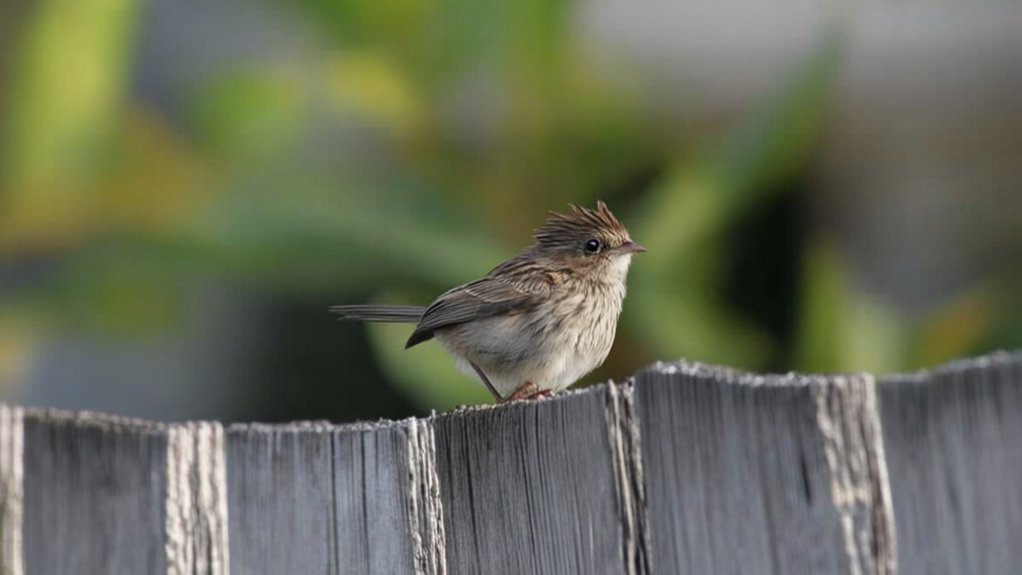
You should know that birds can experience developmental delays or disabilities that affect their physical and cognitive abilities. This might show up as slower growth, impaired motor skills, or behavioral differences. Causes can include genetics, nutrition, or exposure to toxins.
Supporting these birds means using respectful language and getting early assessments. It also helps to provide tailored diets and create adaptive environments with varied perches. Regular veterinary care is important too.
Understanding their intelligence and resilience really makes a difference in improving their quality of life. If you want to do better, explore how these factors influence care and development even more. It’s all about enhancing your approach for the best results.
Understanding Terms for Bird Developmental Delays
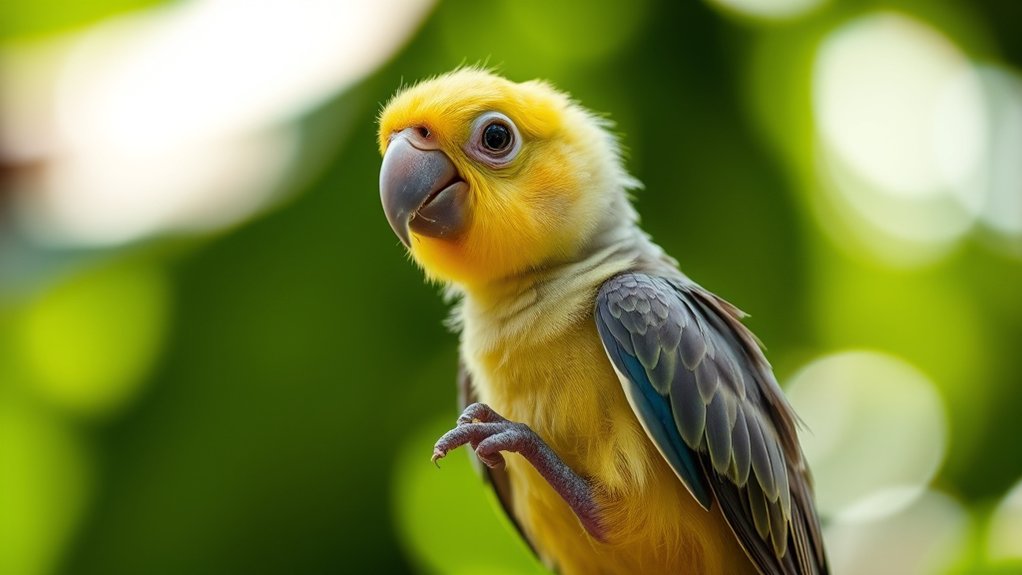
Although the term “retarded” has historically been used to describe developmental delays, it’s now recognized as outdated and offensive. You should instead use precise language such as developmental delays or disabilities when discussing bird growth abnormalities.
Birds with developmental delays often show slower growth, delayed feathering, or impaired motor skills compared to their peers. These delays can come from various factors like genetic anomalies, nutritional deficiencies, or toxin exposure during critical growth phases.
Birds with developmental delays may experience slower growth, delayed feathering, or impaired motor skills due to various underlying factors.
By spotting developmental delays early, you can put in place tailored care strategies and environmental changes to support affected birds effectively.
Recognizing these conditions as complex and multifactorial encourages a compassionate, evidence-based approach to treatment. This helps promote better outcomes without using stigmatizing language.
Signs of Cognitive and Physical Disabilities in Birds
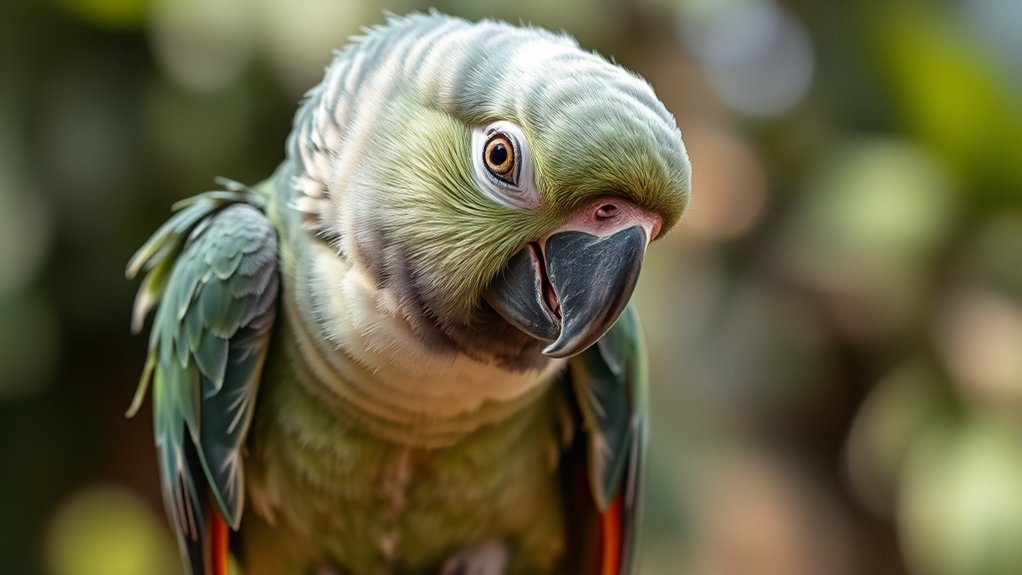
You might notice cognitive issues in birds when they take longer to learn new things, repeat the same behaviors over and over, or seem to pull away from others.
On the physical side, disabilities often show up as deformities—like missing toes or legs that splay out—which can make it hard for them to move around or eat properly.
Spotting these signs early on is really important because it lets you make the right adjustments to their care and environment, helping them feel more comfortable and supported.
Cognitive Impairment Indicators
When you observe birds closely, certain behaviors can indicate cognitive or physical impairments, such as delayed learning, poor problem-solving skills, and difficulty adapting to new environments. These cognitive impairment indicators often show up subtly and need consistent observation over time to spot accurately.
You might notice persistent fearfulness or a lack of responsiveness to stimuli. Or maybe the bird struggles to learn new tasks or mimic sounds typical for their species. They might also have trouble orienting themselves or interacting with their surroundings.
Sometimes, you’ll see reduced engagement in social behaviors or play. These signs often come from genetic issues, developmental abnormalities, or brain injuries. It’s really important to talk to an avian veterinarian for a thorough check-up because these symptoms can overlap with other health problems.
Catching these issues early helps create care plans that support the bird’s cognitive function and overall well-being. That way, you can give your feathered friend the best chance at a happy, healthy life.
Physical Disability Symptoms
Recognizing physical disability symptoms in birds requires careful observation of their posture, movement, and interaction with their environment. You may notice missing toes, deformed beaks, or splayed legs that impair their ability to perch or grip. Birds often show uncoordinated movements, difficulty climbing, or trouble eating because of these deformities.
Also, watch for asymmetrical posture or imbalance when they’re standing, as well as frequent slipping from perches. These disabilities can come from birth defects, injuries, or environmental trauma and affect their overall mobility.
Despite these challenges, many birds adapt well with proper care.
| Symptom | Description |
|---|---|
| Missing Toes | Limits grasping and perching ability |
| Deformed Beak | Causes difficulty eating and grooming |
| Splayed Legs | Hinders stable standing and movement |
| Uncoordinated Movements | Impairs climbing and balance |
Behavioral Signs of Challenges
Although physical symptoms can be easier to spot, behavioral signs often provide critical insight into cognitive and physical challenges in birds. You may notice repetitive behaviors or disorientation, indicating cognitive impairment. Difficulty learning new tasks also suggests neurological issues.
Physical disabilities can show up as unsteady balance or delayed responses to stimuli, which affect daily functions. Abnormal behaviors like feather-plucking might signal underlying problems.
Look for these behavioral signs:
- Repetitive or compulsive actions
- Failure to recognize familiar handlers or objects
- Impaired coordination and balance
- Self-mutilation or abnormal grooming
Catching these signs early lets you adjust care and environment more effectively. That way, you can improve your bird’s quality of life and better manage its specific needs.
How Disabilities Impact Bird Behavior and Health
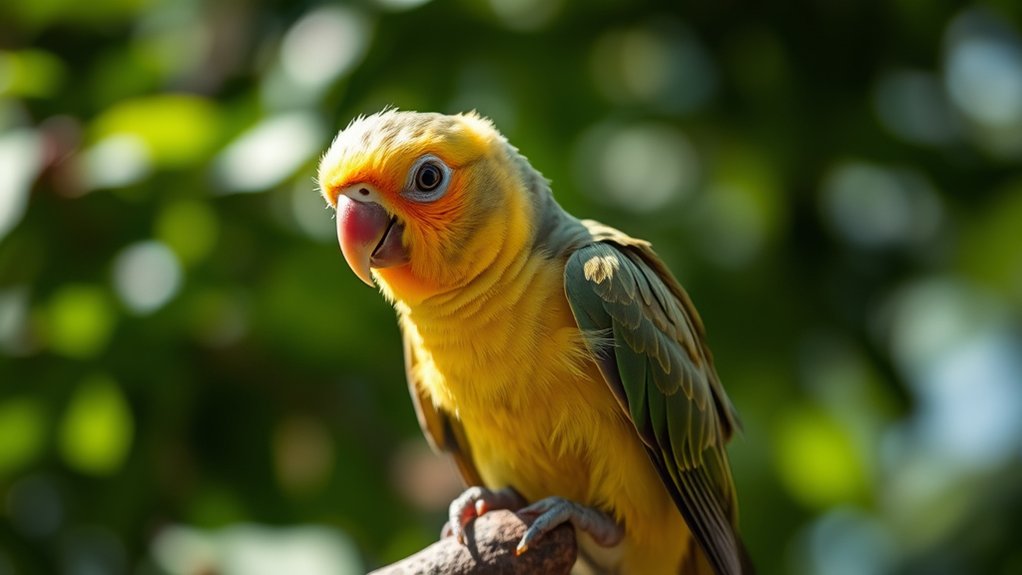
Birds with disabilities face unique challenges that influence their behavior and health. But with the right environmental adjustments, they can still lead active and fulfilling lives. Physical impairments can affect gripping, balancing, and feeding.
Still, many birds adapt well and show a lot of resilience in their social interactions. You can support these birds by providing textured perches and V-shaped supports. Alongside diet modifications, these changes can really enhance their mobility and comfort.
Tailored care and habitat changes make a big difference in improving their well-being.
| Disability Type | Impact on Behavior |
|---|---|
| Missing toes | Difficulty gripping perches |
| Deformed beak | Challenges feeding |
| Impaired balance | Reduced mobility |
| Physical deformities | Altered social interactions |
| Sensory impairments | Changed environmental responses |
Bird Adaptations to Disabilities
When faced with physical disabilities, many birds develop specialized adaptations that allow them to navigate their environment effectively. Birds born with missing toes or deformed beaks adjust their behavior and surroundings to maintain mobility and social interaction. You’ll notice they often use alternative perching techniques or modify their environment to compensate for physical challenges.
Key adaptations include:
- Utilizing textured, rope, or V-shaped perches to improve grip and stability for birds with splayed legs or limited toes
- Altering diet to accommodate changes in beak functionality
- Employing unconventional perching strategies to compensate for missing or deformed digits
- Maintaining active and social behaviors despite physical limitations
These adaptations show just how resilient birds can be. With the right environmental support, disabled birds can still lead fulfilling lives. It’s pretty amazing what they’re able to do when given a little help!
Caring for Birds With Disabilities
Since caring for birds with disabilities requires specific knowledge and adjustments, understanding their unique needs is essential for ensuring their well-being. You can help birds with missing toes or deformed beaks thrive by modifying their environment and care routines.
Use textured, rope, or V-shaped perches to enhance grip and balance for leg or foot impairments.
For birds with beak deformities, offer smaller pellets or diced fresh foods to facilitate comfortable feeding.
Observe how these birds quickly adapt alternative perching strategies and adjust behaviors to accommodate their physical limitations.
Despite challenges, disabled birds often remain active, social, and display signs of happiness, showcasing remarkable resilience.
Your tailored interventions can considerably improve their quality of life and support their natural adaptability. It’s really about paying close attention and making thoughtful changes that help them feel safe and comfortable.
With a little effort, you’ll see just how well these birds can adjust and thrive.
Clearing Up Myths About Bird Intelligence
Although some misconceptions persist, you should recognize that avian intelligence is far more complex than often assumed. Birds demonstrate advanced cognitive abilities that defy outdated labels. Instead of using offensive terms, it’s important to appreciate their varied mental capacities.
Research highlights how species like crows and parrots use tools to solve problems effectively. They recognize themselves in mirrors, indicating self-awareness. They also understand cause-and-effect relationships through experimentation.
Plus, they communicate using learned human language elements, showcasing complex social learning.
Misunderstandings often arise from interpreting bird behaviors through a human lens, which doesn’t account for species-specific cognition.
By focusing on scientific evidence, you’ll see that birds possess sophisticated intelligence tailored to their ecological niches.
This really underscores the need to respect their unique mental capabilities without resorting to inaccurate or derogatory descriptions.
Supporting Healthy Development in Disabled and Young Birds
You can support healthy development in disabled and young birds by starting early with intervention strategies. For example, leg taping or surgical correction can really help improve their mobility and comfort.
It’s also a good idea to create an adaptive environment. Using textured or V-shaped perches makes a big difference in helping birds maintain their natural postures and balance.
On top of that, adjusting their diet can be very helpful. Offering smaller pellets and diced fresh foods can tackle feeding challenges and promote healthy growth.
Early Intervention Strategies
When supporting the healthy development of disabled or young birds, implementing early intervention strategies proves vital. These approaches address physical, nutritional, and behavioral needs to optimize growth and prevent complications.
You should focus on providing textured, non-slip perches to ensure stable footing and reduce injury risk. Offering a balanced diet with appropriately sized pellets, fresh foods, and necessary supplements supports physiological development.
Encouraging socialization and gentle handling early helps build trust and minimize behavioral problems.
Incorporate environmental enrichment, including toys and varied perches, to stimulate cognitive function and promote natural behaviors.
Also, schedule regular veterinary assessments to promptly identify and manage injuries or developmental delays.
Early, targeted interventions facilitate improved outcomes and quality of life for disabled or young birds.
Adaptive Environment Setup
How can you create an environment that best supports the healthy development of disabled and young birds? Start by providing perches with varied textures, such as rope and V-shaped designs, to enhance grip and balance. Adjust perch size and shape to accommodate specific physical limitations. This promotes natural posture and minimizes slipping.
Incorporate environmental enrichment with diverse perch types to encourage both physical activity and cognitive engagement. Regularly monitor and modify the habitat layout based on the bird’s progress. This helps ensure continued growth and confidence.
While diet changes are important, here the focus is on habitat adaptations that support motor skills and mental stimulation. Creating this tailored environment fosters resilience and helps birds facing physical challenges or developmental delays develop more healthily.
Nutritional Support Essentials
Creating a supportive environment sets the foundation for physical and cognitive development. But nutrition plays an equally important role in fostering growth and repair in disabled and young birds.
Proper nutritional support means providing a balanced diet rich in essential vitamins and minerals tailored to their specific needs. You should focus on delivering manageable food forms to accommodate physical challenges, ensuring hydration, and supplementing critical nutrients to enhance health.
Key nutritional support strategies include offering diced fruits, vegetables, and soft pellets for easier consumption. Make sure there’s constant access to fresh, high-quality water. Also, supplement with calcium, vitamin A, and omega-3 fatty acids to promote bone and feather health.
Don’t forget to regularly monitor weight and health to adjust dietary plans promptly. These simple measures support optimal development and help prevent malnutrition in vulnerable birds.
Frequently Asked Questions
Can Environmental Toxins Cause Developmental Delays in Birds?
Yes, environmental toxins like lead and PCBs can cause developmental delays in birds by disrupting neurological growth, hormone levels, and motor skills.
You should minimize exposure to protect birds’ cognitive and physical development effectively.
Are Certain Bird Species More Prone to Disabilities?
You should know that parrots and cockatoos, due to selective breeding, have a higher incidence of genetic disabilities. This means you need to monitor these species carefully for congenital or developmental issues.
It’s important to keep an eye on their health because these problems can sometimes be subtle at first. Regular check-ups can help catch any issues early on. So, if you have these birds, staying vigilant really pays off.
How Do Disabilities Affect a Bird’s Lifespan?
Disabilities can shorten a bird’s lifespan if they impair feeding or mobility. But with proper care and environmental adjustments, many disabled birds live full lives.
The severity of the disability and the quality of treatment directly influence how long a bird can survive. So, it really depends on the situation and the support the bird receives.
Can Birds With Disabilities Reproduce Successfully?
Think of a river steering around stones. Birds with disabilities can still reproduce successfully if their impairments don’t block courtship or nesting.
With proper care, you’ll see many raise healthy chicks despite physical challenges. It really shows how adaptable they are. Nature finds a way!
Are There Specialized Veterinarians for Disabled Birds?
Yes, you can consult specialized avian veterinarians trained in orthopedic, neurological, and rehabilitative care. They diagnose, treat, and recommend tailored plans or surgeries to improve disabled birds’ health and quality of life.
These vets work effectively and scientifically to make sure your bird gets the best care possible. So, if your bird has special needs, reaching out to one of these experts is a great idea.
Conclusion
When caring for birds with developmental delays, remember that “slow and steady wins the race.” You’ll notice that cognitive and physical disabilities may alter behavior and health, but birds often adapt impressively.
By understanding these challenges and providing targeted support, you can promote healthier development and improve their quality of life. Dispelling myths about bird intelligence helps you approach their needs objectively.
This way, you ensure compassionate, informed care tailored to each bird’s unique condition. It’s all about patience and learning what works best for your feathered friend.