
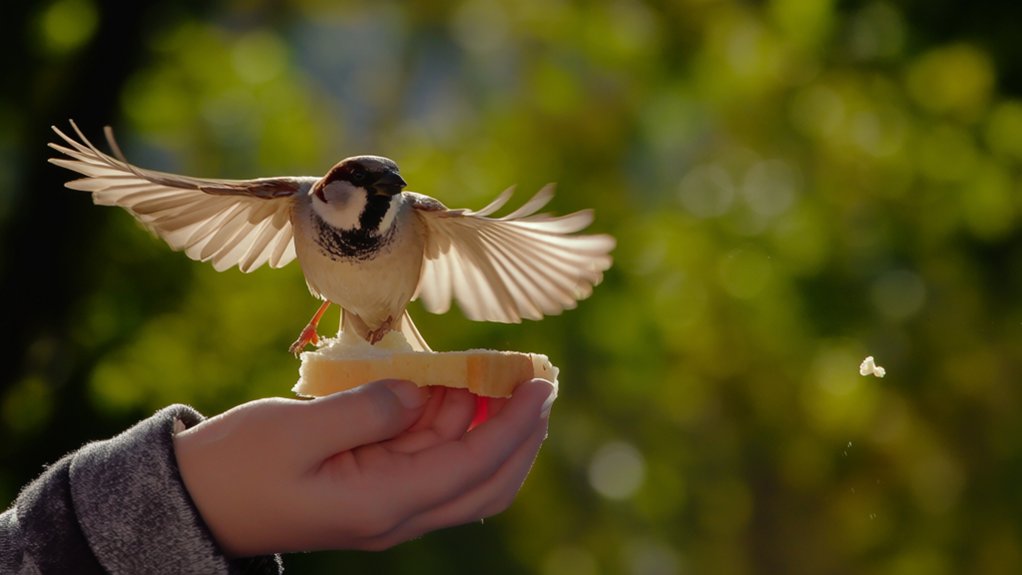
Yes, birds can digest bread, but it offers almost no nutritional value and can harm their health. Bread lacks essential proteins, fats, and vitamins birds need to thrive. This can lead to malnutrition and weakened immune systems if they eat it regularly.
Eating too much bread might cause crop impaction and digestive blockages, especially in songbirds and waterfowl. Even though birds can digest it, bread disrupts their natural diets of seeds and insects. These natural foods are vital for their health and for keeping the ecosystem balanced.
So, while bread is digestible, it’s not a good choice for feeding birds. Looking into proper nutrition helps us find better feeding options that keep birds healthy and strong.
Can Birds Digest Bread And Why It Matters
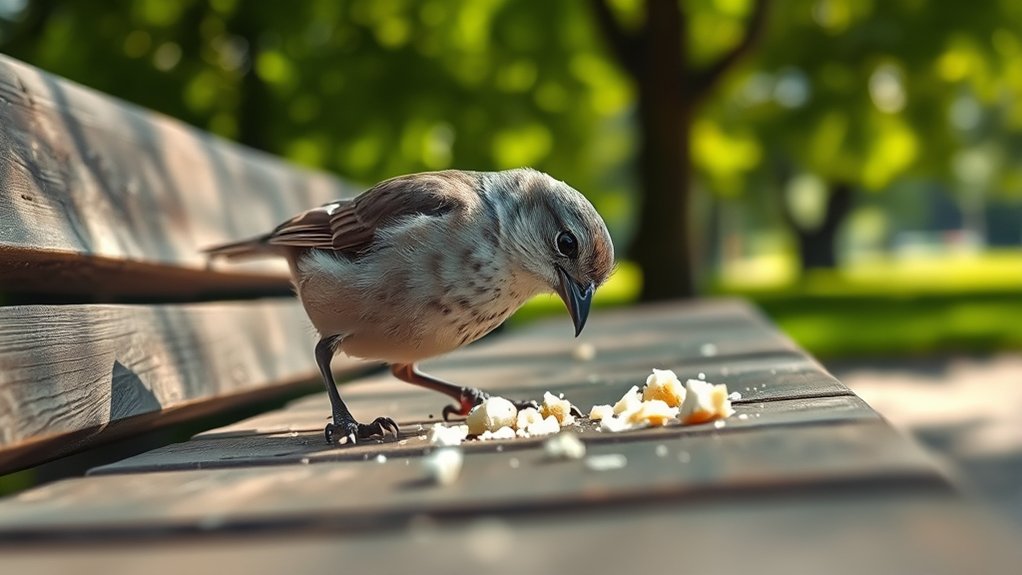
Although birds can physically digest bread, it provides no nutritional value and can cause significant digestive problems.
Birds can digest bread physically, but it offers no nutrition and may lead to serious digestive issues.
When you feed bread to birds, it can expand in their crop, especially if the pieces are large. This can cause discomfort or even crop impaction.
If the bread is moldy or spoiled, toxins may form that damage their digestive system.
Regular consumption fills their stomach but fails to supply essential nutrients, leading to malnutrition.
A bird’s digestive efficiency depends on processing nutrient-rich foods like seeds and insects, which bread lacks.
So, while birds can break down bread physically, feeding it to them disrupts their digestion and overall health.
This makes it an inappropriate food choice.
Understanding this helps you make better decisions when feeding wild or pet birds.
Why Bread Has Little Nutritional Value For Birds
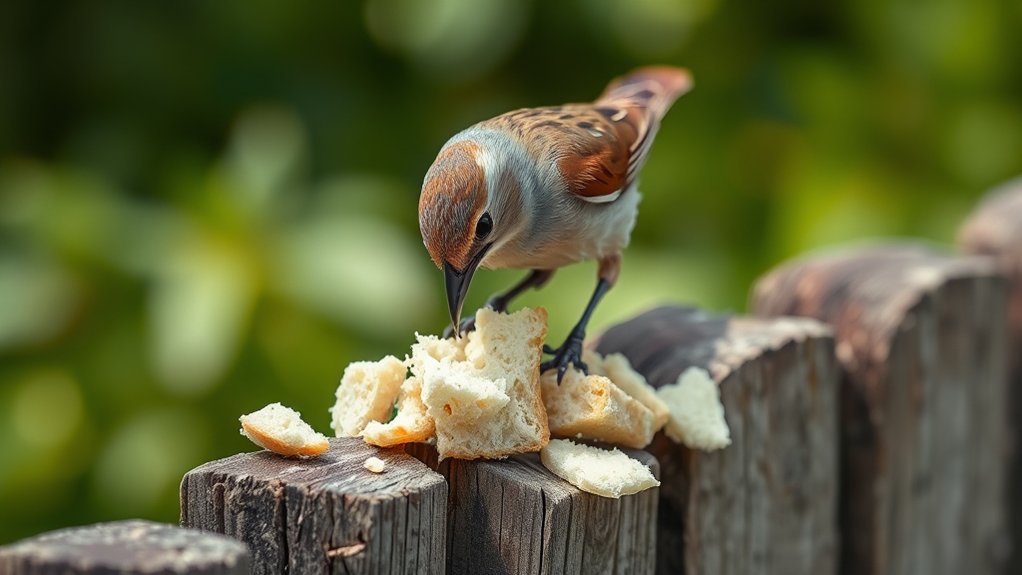
Because bread lacks essential proteins, fats, and vitamins, it fails to meet the basic dietary needs of birds. Its high carbohydrate content fills their stomachs quickly but offers minimal energy or nourishment. Birds can’t distinguish bread as nutritionally poor food, so they may consume it excessively, which displaces more nutritious options.
Even fresh bread provides no indispensable nutrients, and regular consumption contributes to deficiencies in proteins and fats essential for feather growth, reproduction, and overall survival. Moreover, bread’s lack of vitamins impairs immune function.
While moldy bread poses additional health risks, fresh bread itself remains a nutritionally empty filler.
Understanding this helps explain why bread, although digestible, doesn’t support birds’ physiological requirements. That’s why relying on it as food can be detrimental to their health and development.
What Happens When Birds Eat Too Much Bread?
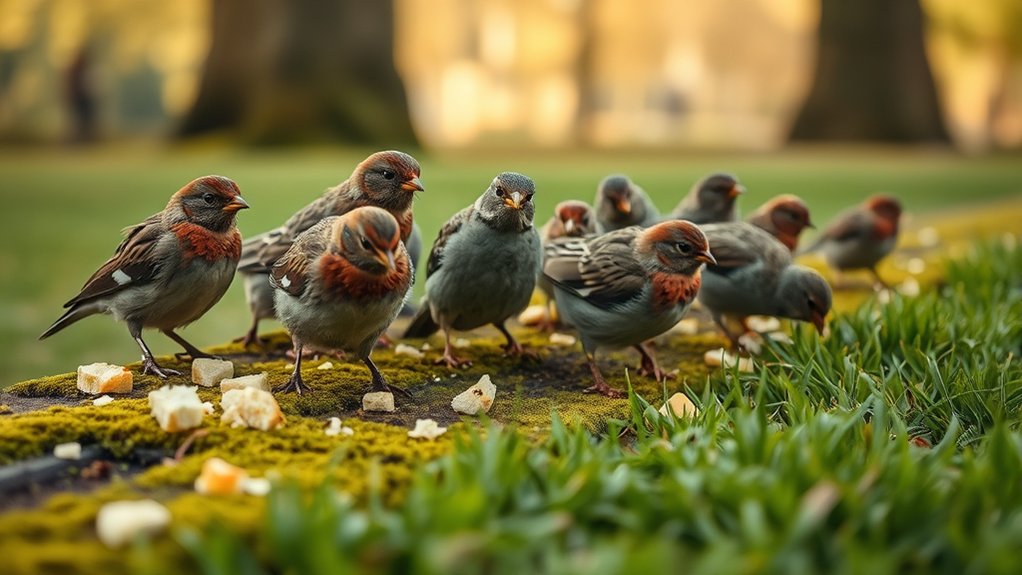
When birds eat too much bread, it can actually cause some serious problems. See, bread takes up space in their stomachs, so they end up missing out on the more nutritious foods they really need.
Plus, eating a lot of bread can lead to health issues like crop impaction, which is when their crop gets stuck or blocked. It can also cause stomach troubles and even expose them to harmful bacteria, especially if the bread is moldy.
All these problems can make it harder for birds to digest their food properly and can really affect their overall health. So, it’s best to be careful about what and how much bread we give them.
Nutritional Deficiency Risks
If birds eat too much bread, they risk serious nutritional deficiencies because bread lacks essential vitamins and minerals. Bread fills their stomachs quickly, which means they eat less of the nutrient-rich foods they really need for healthy growth and development.
Over time, this unbalanced diet can lead to malnutrition and weaken their immune system.
Also, moldy bread can introduce harmful pathogens that mess with nutrient absorption. So, it’s important to know these key risks:
- Vitamin and mineral shortages can slow growth and affect bodily functions.
- Eating less natural food means they miss out on a variety of essential nutrients.
- A weaker immune system makes birds more prone to infections.
- Digestive problems, like crop gumming, limit how well they absorb nutrients.
Keeping an eye on what birds eat helps keep them healthy and strong.
Health Complications Develop
Although bread may seem like a harmless treat, feeding birds too much can quickly lead to serious health complications. When birds consume excessive bread, they risk developing crop gumming. That’s when bread residues clog the crop and mess up digestion.
Large bread pieces can block the digestive tract, causing impaction, which may be fatal. Plus, bread lacks essential nutrients, so birds end up malnourished and with vitamin deficiencies. This weakens their immune systems.
Moldy or spoiled bread is another problem because it introduces toxins and bacteria, increasing infection risks. Over time, birds burn calories but don’t get enough energy, leading to physical decline.
Feeding birds too much bread disrupts their natural diet balance and compromises their overall health. To protect wild birds, it’s really important to limit bread intake and offer foods that are more nutritionally appropriate instead.
Feeding Bread: Effects On Waterfowl Vs. Songbirds
Since bread is a common offering to wild birds, understanding its effects on waterfowl and songbirds is essential. Waterfowl can digest bread but gain minimal nutrition, risking conditions like Angel Wing syndrome.
Feeding bread to wild birds offers little nutrition and can lead to health issues like Angel Wing syndrome.
In contrast, songbirds struggle to process bread due to their smaller digestive systems, increasing health risks.
Consider these distinctions:
- Waterfowl’s larger digestive tracts allow bread digestion but cause nutrient deficiencies.
- Bread fills waterfowl stomachs quickly, leading to malnutrition.
- Songbirds often can’t break down bread efficiently, risking digestive blockages.
- Both groups face health risks from bread’s inadequate nutrient profile.
Feeding bread harms both waterfowl and songbirds, making it an unsuitable food source despite occasional digestion. It might seem harmless, but it’s really not the best choice for their health.
Natural Diets Of Wild Birds: What They Eat Instead Of Bread
You’ll notice wild birds rely on a varied diet of insects, seeds, and native fruits. Each of these provides specific nutrients that are critical for their survival.
For example, protein from worms and flies supports breeding. Meanwhile, berries supply essential vitamins and energy.
Wild Bird Food Sources
When you observe wild birds foraging, you’ll notice they rely on a varied diet of insects, seeds, berries, and nectar rather than human foods like bread. These natural food sources provide essential nutrients that bread lacks, supporting their health and ecological roles.
Key components include insects such as worms, moths, and flies, supplying critical protein especially during breeding seasons. Seeds from native plants offer carbohydrates and fats necessary for energy. Berries like strawberries and raspberries provide vitamins and hydration. Nectar from flowers delivers sugars and micronutrients indispensable for some species.
Wild birds select these foods based on seasonal availability and habitat conditions, ensuring a balanced diet tailored to their physiological needs. Bread doesn’t fulfill these requirements and can disrupt natural foraging behavior.
Natural Bird Dietary Needs
Although bread might seem like an easy food source, wild birds depend on a varied diet of insects, seeds, berries, flowers, and nectar to meet their nutritional needs. These foods provide essential proteins, fats, vitamins, and minerals that bread lacks.
Birds have evolved keen eyesight and specialized beaks to efficiently select nutrient-rich items like native fruits, grains, and invertebrates tailored to their habitats.
Consuming this natural diet supports their immune function and reproductive health. When you feed birds bread, you disrupt their natural foraging behavior and risk causing nutritional deficiencies.
Since bread offers little nutritional value, relying on it can weaken birds over time.
Understanding and respecting their natural dietary needs helps you support wild birds’ health and ecological roles effectively. So, it’s always better to offer foods that match what they naturally eat rather than just tossing out bread.
That way, you’re really helping them thrive.
Healthier Alternatives To Bread For Feeding Birds
Since bread lacks essential nutrients and primarily provides empty calories, feeding birds healthier alternatives is crucial for their well-being. You can support their natural dietary needs and promote ideal health by offering:
- Seeds, nuts, and fresh fruits that supply proteins, healthy fats, and vitamins.
- Mealworms and insect-based foods to provide insectivorous birds with essential proteins for growth and energy.
- Chopped vegetables like lettuce, peas, or sliced grapes, delivering hydration and necessary micronutrients.
- High-quality birdseed blends formulated for specific species, ensuring balanced nutrition and encouraging natural foraging behaviors.
Avoid processed human foods and focus on native plants or insect-rich diets to sustain healthy bird populations effectively. These alternatives meet birds’ nutritional requirements far better than bread, which risks malnutrition and digestive issues.
Feeding birds the right foods not only helps them thrive but also supports the ecosystem around you. So next time you want to feed your feathered friends, try these healthier options instead!
How To Feed Birds Without Bread: Safe And Healthy Tips
Choosing the right foods is only part of feeding birds responsibly. Understanding how to offer these foods safely guarantees they benefit without harm.
You should provide nutrient-rich options like sunflower seeds, nuts, fruits, and insects, tailored to species-specific dietary needs.
Avoid processed foods and bread, which can cause malnutrition and digestive issues.
Regularly clean feeders and supply fresh water to prevent disease and promote ideal feeding habits.
Incorporate native plants in your garden to attract natural food sources such as berries and insects, supporting birds’ innate diets.
By maintaining a clean environment and offering diverse, natural foods, you ensure birds receive balanced nutrition and reduce health risks associated with improper feeding.
This approach nurtures bird populations sustainably and scientifically.
It’s all about helping our feathered friends thrive in a healthy way!
Frequently Asked Questions
Can Baby Birds Safely Eat Bread?
No, you shouldn’t feed baby birds bread because their immature digestive systems can’t process it properly. Bread lacks essential nutrients and can cause blockages or choking. So, you need to provide soft, nutrient-rich foods instead.
It’s really important to think about what baby birds can actually digest. Giving them bread might seem harmless, but it can do more harm than good. Stick to foods that help them grow strong and healthy!
Does Moldy Bread Harm Birds More Than Fresh Bread?
Yes, moldy bread harms birds more than fresh bread. You’ll find mold produces mycotoxins causing illness, respiratory issues, and immune weakening.
Fresh bread lacks these toxins, so it poses less immediate health risk. That said, it’s still not ideal nutrition for birds. They need a balanced diet to stay healthy.
How Quickly Do Birds Digest Bread Compared to Seeds?
You’ll find birds digest bread much faster than seeds. Bread’s simple carbohydrates break down within hours.
Seeds, on the other hand, have complex fats and fibers. These take several hours to a full day to digest, which slows things down quite a bit. So, bread is definitely easier and quicker for birds to process.
Do Birds Prefer Bread Over Natural Foods in Urban Areas?
You might think birds prefer bread like it’s the tastiest feast ever, but they actually favor natural foods in urban areas. Bread’s accessibility makes it a fallback, yet birds instinctively seek more nutritious options when possible.
It’s kind of interesting, right? Even though bread is easy to find, birds know what’s best for them and go for the healthier stuff when they can. So next time you see birds around, remember they’re not just eating whatever’s handed to them—they’re making smart choices!
Can Feeding Birds Bread Affect Their Migration Patterns?
Yes, feeding birds bread can disrupt their migration patterns by causing nutritional deficiencies. It also reduces their natural foraging instincts and weakens their overall health. This can delay migration timing and increase their vulnerability to environmental stressors.
When birds rely too much on bread, they might not get the right nutrients they need to stay strong for their long journeys. Plus, losing the habit of searching for food naturally can make it harder for them to survive in the wild. So, while it might seem like a kind thing to do, feeding birds bread can actually do more harm than good.
Conclusion
So yes, birds can technically digest bread. But that doesn’t mean you should turn them into feathered bread critics. Bread offers little nutrition and can harm their health, especially if they binge like it’s a bakery buffet.
Instead of playing chef with stale buns, stick to nature’s menu: seeds, nuts, and berries. Your avian friends will thank you by staying healthier, not waddling around like bread-dependent loafers.
Remember, science says skip the carbs for our feathered pals.