
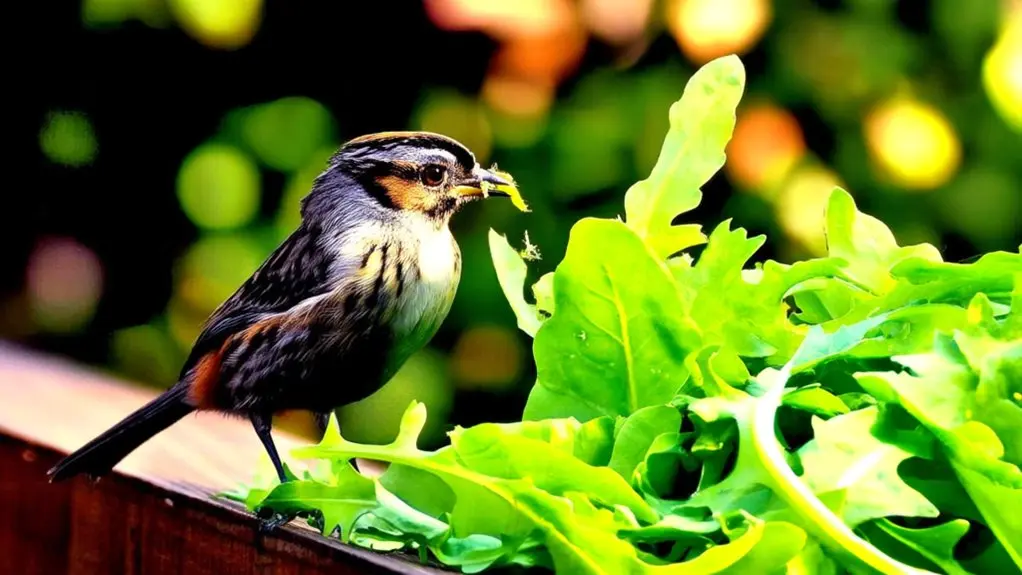
You can safely feed your bird arugula in moderation since it’s rich in vitamins A, C, and K and contains beneficial antioxidants without reported toxicity. Just introduce it gradually, finely chopped, and keep an eye out for any digestive or allergic reactions.
Arugula supports immune function and digestion while offering a unique flavor that encourages variety. Proper preparation and portion control are important to avoid any issues.
Knowing its benefits, risks, and serving tips really helps you optimize your bird’s diet and keep them healthy. It’s a great way to mix things up and add some nutritious greens to their meals.
Is Arugula Safe for Birds?
How safe is arugula for your bird? Arugula isn’t listed as toxic to birds, so it’s generally safe to feed. Both research and anecdotal evidence show that budgies eating arugula don’t experience any harm or negative health effects.
There aren’t many scientific studies specifically about arugula for birds, but since no toxicity has been reported, it’s considered safe to include in their diet. When you first give your bird arugula, start with small amounts and watch how they respond. This helps you catch any possible digestive upset or allergic reaction early.
Adding a variety of leafy greens, like arugula, is great for dietary diversity. That’s really important for balanced nutrition. Overall, arugula is a safe choice as long as you offer it thoughtfully and in moderation.
How Arugula Benefits Your Bird’s Health
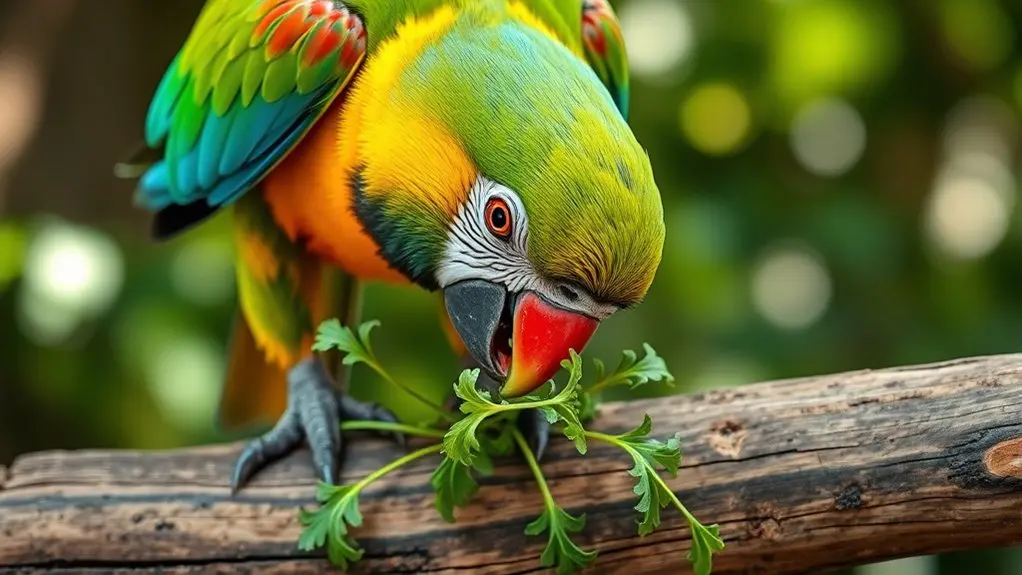
You’ll find that arugula is packed with vitamins A, C, and K, all of which are great for supporting your bird’s immune system. Plus, it contains antioxidants that help reduce inflammation and protect your bird’s cells.
On top of that, the dietary fiber in arugula promotes healthy digestion. So, by adding arugula to your bird’s diet, you’re giving their overall health and digestion a nice boost.
Nutritional Value Overview
Why should arugula be included in your bird’s diet? Arugula provides essential vitamins A, C, and K, supporting vision, blood clotting, and overall physiological functions in birds. Its antioxidants help reduce oxidative stress, promoting cellular health.
You’ll also find calcium and magnesium in arugula, key for bone strength and metabolic regulation. The leafy green’s high fiber content assists digestion and maintains gastrointestinal tract health, which is indispensable for nutrient absorption.
Additionally, arugula is low in calories but nutrient-dense, making it an excellent dietary supplement for small birds like budgies. Including arugula diversifies nutrient intake and supports balanced nutrition.
It helps maintain your bird’s health efficiently without introducing unnecessary calories or fillers.
Immune System Support
Although many foods contribute to a bird’s immune health, arugula stands out because it’s packed with antioxidants. These antioxidants help reduce oxidative stress and support immune function.
Including arugula in your bird’s diet gives them essential vitamins and phytochemicals. These nutrients work together to boost the immune response and help control inflammation.
| Nutrient/Compound | Immune Benefit |
|---|---|
| Antioxidants | Reduce oxidative stress, protect cells |
| Vitamin C | Enhance immune response, fight infections |
| Phytochemicals | Anti-inflammatory effects |
| Vitamins A & K | Maintain immune cell function |
Digestive Health Benefits
Since arugula contains high levels of vitamins A, C, and K along with dietary fiber, it plays an essential role in supporting your bird’s digestive health. The fiber promotes regular bowel movements, which helps reduce the risk of constipation.
Additionally, arugula’s antioxidants help mitigate inflammation and oxidative stress within the digestive tract. The presence of natural enzymes also fosters a balanced gut microbiome, which enhances nutrient absorption.
Including arugula in your bird’s diet can therefore optimize digestive function while supplying critical nutrients.
Key digestive health benefits of arugula for birds include:
- Improved bowel regularity due to high dietary fiber content.
- Reduced gastrointestinal inflammation through antioxidant activity.
- Enhanced nutrient uptake facilitated by gut-friendly enzymes and microbiota support.
Comparing Arugula to Other Leafy Greens
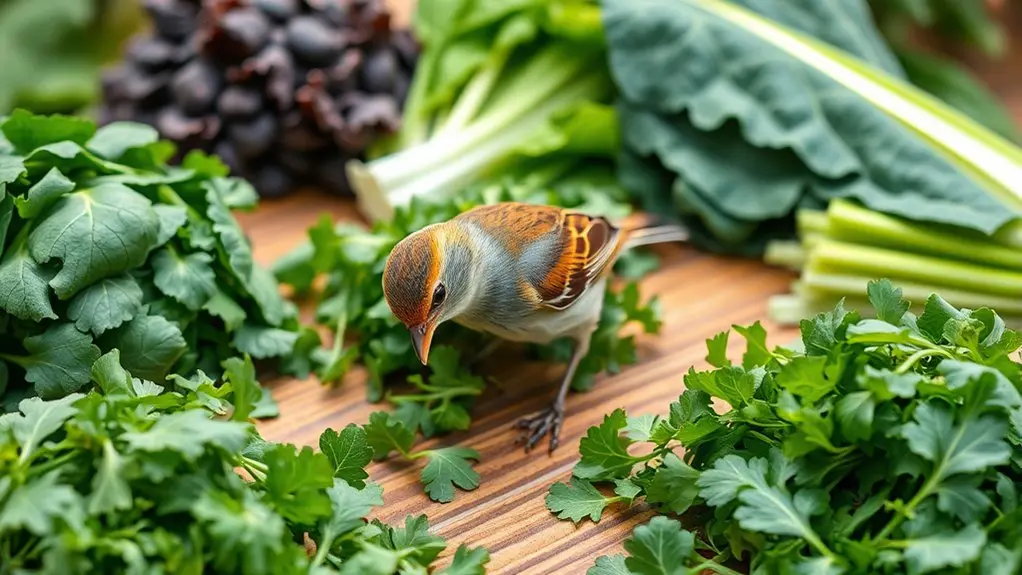
When you compare arugula to other leafy greens commonly fed to birds, you’ll find it offers a balanced nutrient profile with vitamins A, C, and K similar to spinach and kale. Arugula contains lower oxalates than spinach, which means it’s less likely to interfere with calcium absorption. Plus, its unique peppery flavor may encourage birds to explore their food, unlike milder greens.
Here’s a comparison of common leafy greens for birds:
| Leafy Green | Key Characteristics |
|---|---|
| Arugula | Vitamins A, C, K; low oxalates; peppery flavor |
| Spinach | High vitamins; high oxalates |
| Kale | Rich in vitamins; moderate oxalates |
| Romaine | Moderate vitamins; low oxalates |
This table really shows why arugula stands out as a nutritious and safe option to help diversify your bird’s diet. It’s a great way to mix things up and keep mealtime interesting!
How to Prepare and Serve Arugula to Your Bird
You’ll want to rinse arugula thoroughly to get rid of any dirt and pesticide residues before giving it to your bird.
It’s best to serve it plain — either raw or lightly steamed. Just skip any seasonings, salt, or oils since those can be harmful.
To make it easier for your bird to eat, try cutting the leaves into small pieces or shredding them. This way, your bird can enjoy the arugula without any trouble.
Washing And Cleaning
Although arugula is a nutritious addition to your bird’s diet, proper washing and cleaning are essential to guarantee safety. Contaminants like dirt, pesticides, and bacteria can pose health risks. So, you must prepare the greens carefully before offering them.
Follow these steps to assure cleanliness:
- Rinse arugula thoroughly under cold running water. Use a gentle scrub to remove all residues and microorganisms.
- Inspect the leaves and discard any damaged or wilted ones. Choose only fresh, healthy greens.
- Dry the arugula completely using a clean towel or salad spinner. This helps prevent moisture buildup that could promote spoilage.
Serving Methods
Since proper preparation directly impacts nutrient retention and safety, serving arugula to your bird requires careful attention. First, rinse the leaves thoroughly to remove contaminants.
Serve arugula raw, either whole or torn into small pieces, to preserve nutrients and texture.
Avoid additives like salt, oils, or dressings because they can be harmful.
If your bird prefers, lightly chop or shred the leaves for easier consumption.
Always offer arugula within a varied diet to keep things balanced.
Make sure to remove uneaten portions after a few hours to prevent spoilage.
It’s a simple step but really important for your bird’s health.
How Much Arugula Should You Give Your Bird?
When introducing arugula to your bird’s diet, offering a small handful or just a few leaves per feeding guarantees safety and helps prevent digestive upset. The appropriate quantity varies based on your bird’s size, age, and nutritional requirements. Overfeeding arugula may lead to gastrointestinal issues, so moderation is key.
Consider these guidelines:
- Small birds (e.g., finches, budgerigars): 1-2 leaves per feeding.
- Medium birds (e.g., cockatiels, conures): 3-5 leaves or a small handful.
- Large birds (e.g., African greys, macaws): up to a quarter cup of chopped arugula.
Always serve arugula as part of a varied diet.
For personalized recommendations, consult an avian veterinarian to ensure optimal health and nutrition for your bird.
How to Introduce Arugula Gradually Into Your Bird’s Diet
After determining the appropriate amount of arugula for your bird, you’ll want to introduce it gradually to monitor tolerance and acceptance. Begin by offering small portions alongside familiar foods, allowing your bird to explore without pressure.
Observe their reaction carefully, noting any changes in interest or digestion, and adjust quantities accordingly.
Incorporate finely chopped arugula into their regular diet to promote familiarity and minimize rejection. Use positive reinforcement, like praise or treats, when your bird shows curiosity or samples the new food.
Gradually increase the arugula portion over days or weeks, making sure it becomes a consistent, safe addition to their diet.
This measured approach helps you assess acceptance while reducing potential digestive discomfort or aversion effectively. It’s all about going slow and steady so your bird feels comfortable trying something new.
How Birds Usually React to Arugula
Although individual bird preferences may vary, arugula generally elicits a positive response from most species. Birds often show curiosity and enthusiasm when presented with arugula, treating it as a safe and nutritious leafy green.
Observations indicate no adverse reactions or toxicity linked to arugula consumption. You’ll likely notice birds exploring and nibbling on arugula leaves with interest, especially when introduced gradually.
You might also see increased acceptance when arugula is paired with familiar foods, which helps with dietary adaptation.
Plus, many bird owners report consistent consumption without signs of distress or health issues.
When to Avoid Feeding Arugula
Because arugula is safe for most birds, you can generally include it in their diet without concern. However, you should avoid feeding arugula if your bird has specific health conditions or dietary restrictions advised by a veterinarian.
Overfeeding arugula or any leafy green may cause digestive upset or nutrient imbalances. So, it’s best to introduce arugula gradually and watch for any adverse reactions before making it a regular part of their diet.
| Condition | Reason to Avoid | Recommended Action |
|---|---|---|
| Digestive Sensitivity | Risk of upset or imbalance | Limit quantity |
| Specific Health Issues | Potential contraindications | Consult veterinarian |
| New Food Introduction | Possible adverse reactions | Introduce gradually |
How to Monitor Your Bird’s Health After Feeding Arugula
Once you start feeding arugula to your bird, carefully monitor its health for any signs of adverse reactions. Observing behavioral and physical changes within 24-48 hours is essential to guarantee the new food is well tolerated.
Focus on these key indicators: look out for behavioral shifts like lethargy, decreased activity, or changes in vocalization that might signal discomfort or sensitivity.
Also, check your bird’s digestive health by examining stool consistency and color for diarrhea or abnormalities that could indicate a digestive response.
Don’t forget to watch for physical symptoms such as swelling, drooling, skin irritation, or fluffed feathers, which might suggest an allergic reaction.
If you notice any of these signs, don’t wait—consult a veterinarian promptly to provide appropriate care and adjust your bird’s diet accordingly.
Frequently Asked Questions
Can Arugula Cause Allergies in Birds?
Arugula rarely causes allergies in birds, as documented cases are nonexistent. You shouldn’t expect allergic reactions, but you should still watch your bird for respiratory or skin symptoms when introducing any new food, including arugula.
It’s always better to be safe than sorry, right? Just keep an eye on your feathered friend whenever you add something new to their diet. That way, you can catch any issues early on.
Is Arugula Safe for Baby Birds or Chicks?
You’re gently offering a tiny garden leaf; arugula is safe for baby birds in moderation. It provides essential vitamins but introduce it gradually. Guarantee cleanliness, and consult an avian vet to support their delicate growth effectively.
Just take it slow and watch how they respond. It’s always best to check with a pro if you’re unsure. That way, you’re helping your little feathered friend stay healthy and happy.
Does Arugula Affect a Bird’s Digestion Time?
Arugula doesn’t considerably affect your bird’s digestion time because it’s low in fats and complex fibers. Its high water content aids hydration, promoting quicker digestion compared to heavier vegetables.
That said, individual digestion may vary slightly. So, while arugula generally helps, every bird is a little different.
Can Birds Eat Arugula Seeds or Flowers?
Seeds and flowers from arugula safely satisfy your bird’s nutritional needs. You’ll find they offer vitamins and variety without harm.
Just make sure to give them in moderation. And always check that there are no added seasonings or contaminants that could mess with digestion.
How Does Arugula Impact a Bird’s Feather Condition?
Arugula improves your bird’s feather condition by providing vitamins A, C, and K, plus antioxidants that reduce oxidative stress. These nutrients support feather growth and maintenance.
Including arugula in a balanced diet helps promote stronger, shinier feathers. It’s a simple way to keep your bird looking its best and feeling healthy.
Conclusion
Feeding arugula to your bird can be a leafy green boon, offering essential nutrients without significant risks when introduced properly. Like any new food, approach it with caution. Think of it as adding a new instrument to your bird’s dietary orchestra.
Start gradually, monitor reactions, and adjust portions carefully. By doing so, you guarantee arugula enhances your bird’s health without upsetting its delicate digestive balance or causing adverse effects.