
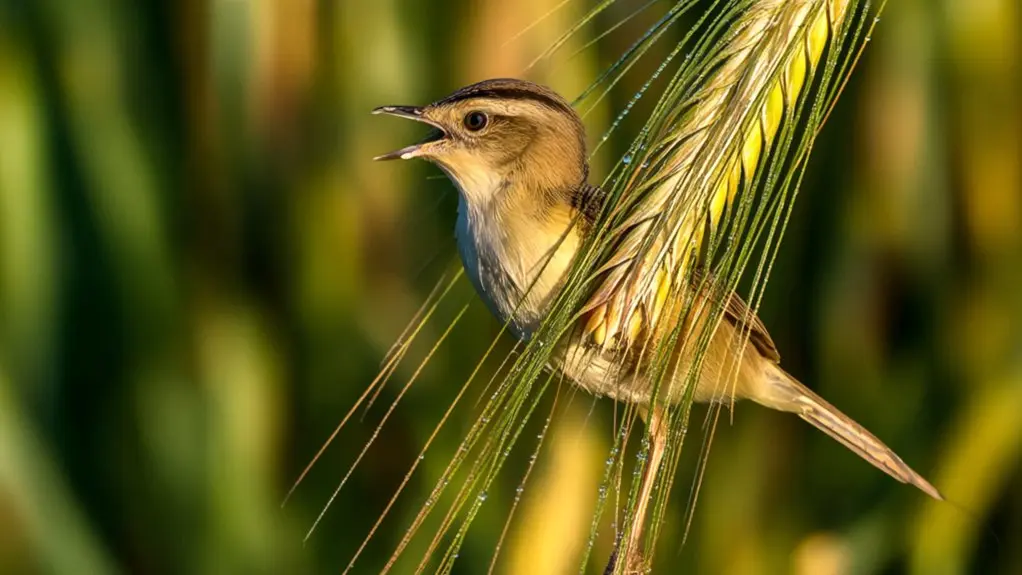
You can safely feed birds barley when it’s plain, cooked, or soaked. This makes it easier to digest and reduces choking risks. Just avoid raw, seasoned, or processed barley because these can be harmful or tough for birds, especially smaller ones.
Barley offers valuable nutrients like carbohydrates, fiber, and vitamins. But it should only make up a small part of their balanced diet.
Understanding proper preparation and feeding guidelines helps guarantee their health and well-being. If you want to know more, there are details on how to use barley responsibly for different birds.
Is Barley Safe for Birds to Eat?
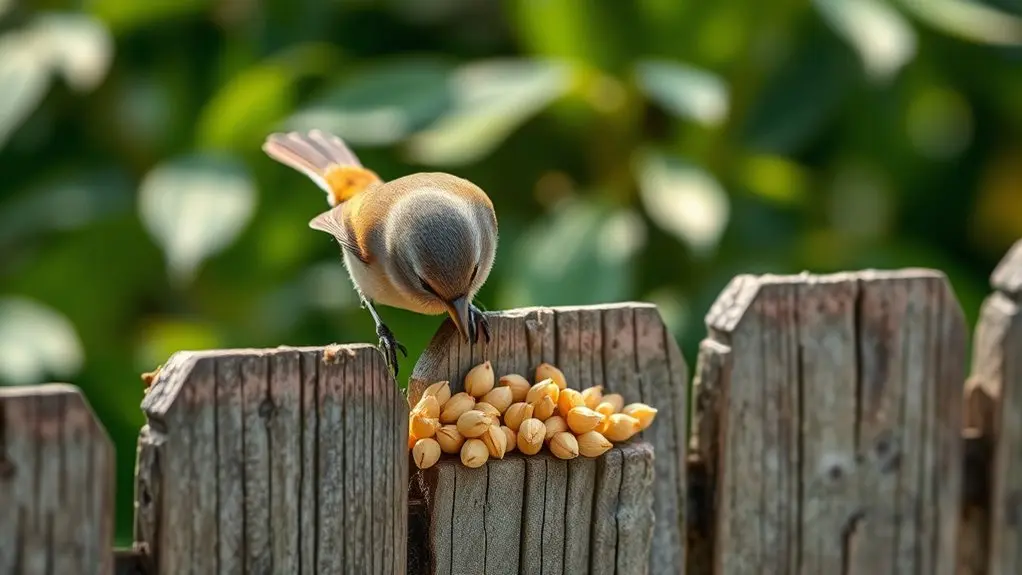
Although barley is generally safe for birds, you should only offer it plain, cooked, and in small portions to fit within a varied diet. The main safety concern is how barley is prepared. Seasoned, flavored, or processed versions can introduce harmful additives.
Barley is safe for birds when served plain, cooked, and in small amounts as part of a varied diet.
Raw barley tends to be too hard or unappealing, especially for small birds or those unaccustomed to grains. Cooking barley softens its texture, making it easier to digest and safer to consume.
After cooking, cool the barley before serving to avoid burns or discomfort.
Moderation is key. Providing barley in small amounts complements a balanced diet without overwhelming the bird’s digestive system.
Also, promptly removing any leftovers minimizes spoilage and reduces risks of bacterial growth, keeping barley a safe dietary option.
Nutritional Benefits of Barley for Birds
When you offer cooked barley to birds in appropriate amounts, you also provide them with a range of nutrients that support their health. Barley is rich in carbohydrates, supplying a quick energy source essential for their active metabolism. It contains B vitamins, including niacin and riboflavin, which facilitate enzymatic processes and overall metabolic function.
The dietary fiber in barley aids in maintaining healthy digestion and promotes gut motility. Additionally, barley delivers key minerals such as phosphorus, iron, and magnesium. These minerals are essential for bone strength, oxygen transport, and enzymatic reactions.
Its moderate protein content supports muscle development and maintenance, which is indispensable for flight and mobility. So, incorporating barley into a balanced diet can really help meet birds’ nutritional needs without overloading any single nutrient.
Is Raw Barley Safe for Birds? What to Watch For
You should keep in mind that raw barley is pretty hard, which might be tough for smaller birds or those not used to eating grains. Because of its hardness, it can be tricky for them to chew and digest it properly.
Raw Barley Texture
How safe is raw barley for birds, considering its texture and potential risks? Raw barley’s hard, tough texture can pose challenges, especially for smaller or inexperienced birds. Its firmness increases the risk of choking and may cause digestive discomfort due to lower digestibility.
Many small birds find raw barley unappealing since it’s difficult to chew. To mitigate these risks, soaking or sprouting raw barley softens the grain, improving palatability and digestibility.
You should generally reserve raw barley for larger, more robust bird species, and only after proper preparation. This ensures the texture is manageable and reduces health risks.
Suitability For Small Birds
Although raw barley offers nutritional benefits, its hard texture makes it unsuitable for most small birds without proper preparation. The tough outer layer can be difficult for them to chew and digest efficiently, increasing the risk of choking or digestive discomfort. Small birds often show little interest in raw barley due to its unpalatable texture and taste.
To avoid these problems, you should cook or soak barley before offering it. This softens the grains and makes them easier to digest. Serving plain, cooled barley in very small portions ensures safety while still providing nutritional value.
Always keep an eye on your birds for any adverse reactions when you introduce barley into their diet. It’s best to avoid raw barley altogether to keep your birds healthy and happy.
How to Prepare Cooked Barley Safely for Birds
When preparing cooked barley for birds, it’s vital to use plain barley boiled in water without any additives like salt, butter, or seasonings to guarantee safety. After cooking, cool the barley completely to avoid burns or spoilage.
Offer small portions first to monitor acceptance and digestion. Be sure to remove any leftovers promptly to prevent mold and bacterial growth. Using thoroughly cooked and cooled barley ensures maximum digestibility and minimizes health risks.
| Step | Action | Purpose |
|---|---|---|
| Boil Plain Barley | Cook in water without additives | Guarantee safety and digestibility |
| Cool Completely | Allow barley to reach room temp | Prevent burns and spoilage |
| Serve & Monitor | Offer small portions initially | Observe bird’s response |
Is Pearl Barley a Better Option for Birds?
You’ll find pearl barley easier to prepare for birds because its processing removes the tough outer layers, which makes it easier to digest.
Plus, its softer texture and uniform size mean there’s less risk when feeding it, and more bird species can enjoy it without trouble.
On top of that, pearl barley provides a balanced nutritional profile that supports bird health—just make sure to serve it properly.
Digestibility And Preparation
Since pearl barley undergoes processing that removes the outer bran layer, it offers improved digestibility for birds compared to raw barley. You should cook pearl barley thoroughly, as this softens the grain, making it easier for birds to chew and digest.
Avoid feeding raw pearl barley to small or inexperienced birds due to its hardness, which can pose choking risks.
Sprouting or soaking pearl barley before feeding further enhances digestibility and nutrient availability by breaking down complex compounds. When preparing, verify the cooked barley has cooled to prevent digestive upset.
These preparation methods optimize safety and accessibility, allowing birds to benefit from barley without undue digestive strain or choking hazards.
This careful approach supports your bird’s health when incorporating barley into their diet. It’s all about making sure your feathered friends get the most out of their meals without any trouble.
Nutritional Benefits For Birds
Although both raw and pearl barley provide essential nutrients, pearl barley offers distinct advantages for birds because it’s easier to digest and the nutrients are more available.
Pearl barley contains complex carbs, dietary fiber, B vitamins, iron, and magnesium—all really important for bird health.
Its polished, softer texture comes from processing, which makes it easier for birds to eat and digest compared to raw barley.
Cooking or soaking pearl barley can make nutrient absorption even better, so birds get the most out of it.
Plus, pearl barley’s uniform size and texture make it a convenient and appealing choice for both pet and wild birds.
Both forms are safe if given in moderation, but pearl barley usually wins out because it’s easier to serve and better for supporting bird health.
Which Bird Species Benefit Most From Eating Barley?
When you observe ground-feeding birds like pheasants, quail, and certain ducks, you’ll notice they frequently incorporate barley seeds into their diets due to the grain’s nutritional benefits and accessibility. These larger birds efficiently process barley’s size and texture, gaining essential energy and nutrients.
Similarly, some grouse and thrush species that forage on the ground benefit from barley as part of their natural intake.
Grouse and thrush species foraging on the ground naturally incorporate barley into their diets.
In contrast, smaller seed-eating birds such as finches and sparrows may consume barley seeds only sporadically, often when preferred smaller grains are unavailable. Their delicate beaks are less adapted to handle larger barley kernels.
Additionally, parrots and larger pet birds like macaws and African greys can safely consume cooked barley. This complements their varied diets by providing a digestible carbohydrate source.
How Much Barley Should You Feed Your Birds?
If you want to incorporate barley into your birds’ diet safely, start by offering small portions of cooked and cooled barley. Introduce it gradually so you can see how your birds respond and make sure they tolerate it well.
Barley shouldn’t make up more than 10% of their overall diet to keep things balanced and avoid any digestive issues.
You’ll want to adjust the amount depending on the species, size, and individual needs of your birds because different birds process nutrients differently.
Always be sure to remove any leftover barley quickly to prevent spoilage and contamination that could harm your birds.
Do Wild Birds Eat Barley Seeds? How to Feed Them
Since wild birds have varied dietary preferences, not all species will readily consume barley seeds. But some larger seed-eaters like pigeons and doves may include them in their diet.
Barley isn’t usually a primary food source, but it can serve as a nice supplemental option when offered the right way.
To feed wild birds barley seeds effectively, consider these guidelines:
- Provide barley seeds in small quantities mixed with preferred natural seeds such as millet or sunflower to increase acceptance.
- Use clean ground or tray feeders to minimize contamination and spoilage. This helps ensure the seed quality stays good.
- Keep an eye on the feeding area regularly. Adjust the seed mix based on bird activity and preferences to accommodate different species’ dietary habits.
Common Feeding Mistakes to Avoid With Barley
You shouldn’t season barley with salt, butter, or any flavorings because these additives can actually harm birds.
Also, try not to overfeed cooked barley. Giving too much at once can lead to digestive problems or cause the barley to spoil quickly.
And remember, always remove any leftover barley right away to keep mold and bacteria from growing.
Avoid Seasoned Barley
Although barley offers nutritional benefits to birds, seasoned barley containing added salt, spices, or flavorings poses significant health risks. You should always choose plain, unseasoned barley to avoid potential harm.
Seasoned barley can cause digestive distress or toxicity, especially if consumed in large amounts. Specifically, you need to be aware of the following:
- Salt can induce dehydration and impair kidney function, leading to serious health complications.
- Spices and flavorings may irritate the digestive and respiratory systems, increasing the risk of inflammation or respiratory distress.
- Added ingredients can result in poisoning symptoms, which may be difficult to treat and potentially fatal.
Prevent Overfeeding Barley
While choosing plain, unseasoned barley is important to protect birds from harmful additives, managing the quantity fed is just as vital. Overfeeding barley can cause digestive issues and create nutritional imbalances, so you should only offer it as an occasional treat.
Large quantities may lead birds to become selective or refuse other essential diet components, disrupting their nutritional intake. Excessive barley intake can fill their stomachs, reducing interest in foraging diverse foods necessary for balanced nutrition.
Feeding barley without mixing it with other grains or foods increases the risk of obesity and related health problems. To prevent these risks, provide barley in small, controlled portions and guarantee it complements a varied diet that supports overall bird health and well-being.
It’s all about balance and keeping their diet as natural and varied as possible.
Remove Leftovers Promptly
Because leftover barley can spoil quickly, removing it promptly from feeders or bird areas is essential to prevent mold growth and contamination. You should always clear away any uneaten barley, whether cooked or raw, within a few hours to reduce moisture accumulation that fosters bacterial and fungal proliferation.
Neglecting this can attract pests such as insects and rodents, which pose additional health risks to birds.
To maintain a safe feeding environment, follow these key practices:
- Remove all barley leftovers promptly after feeding sessions to minimize spoilage and contamination risks.
- Clean and sanitize feeders and surrounding areas regularly to prevent pathogen buildup.
- Monitor moisture levels in feeding areas to inhibit microbial growth that could cause illness in birds.
Implementing these steps ensures a hygienic environment, reducing disease transmission among wild and pet birds. It’s really about keeping things clean and safe so our feathered friends stay healthy.
Safe Alternative Foods If Birds Don’t Like Barley
If birds show reluctance toward barley, you can provide alternative grains like millet, oats, or corn. These tend to be more palatable and easier to digest for various species.
Small seeds such as sunflower or nyjer also offer appealing options for birds that reject barley.
Incorporating chopped fruits or vegetables helps diversify their nutrition and makes up for barley disinterest.
Sprouted seeds or grains, like sprouted oats or millet, often seem more attractive because they’ve better nutrient availability and texture.
You can also try mixing grains with natural treats like dried fruit or mealworms to boost appeal and encourage feeding.
Offering a variety of these substitutes makes sure your birds get balanced nutrition even if barley isn’t their favorite.
This way, you support their health and meet their dietary needs effectively.
Frequently Asked Questions
Can Barley Cause Allergies in Birds?
Yes, barley can cause allergies in birds, though it’s pretty rare. You should introduce barley gradually and keep an eye out for any symptoms like itching or feather plucking.
If you notice any allergic reactions, stop feeding barley right away. Then, make sure to consult your veterinarian to get the best advice for your bird.
How Long Can Prepared Barley Be Stored Safely?
Cooked barley stays safe in the fridge for 2-3 days. Beyond that, it risks spoilage.
Leftovers shouldn’t linger over 2 hours at room temperature. Otherwise, bacteria will multiply and make it unsafe for feeding birds.
Can Baby Birds Eat Barley?
Yes, you can feed baby birds small amounts of finely cooked barley once they are weaned. Just make sure it’s soft and easy for them to digest.
Introduce it gradually to see how they handle it. Avoid giving them raw barley, as that can be tough on their little systems. It’s always a good idea to check with an avian vet first to keep things safe and avoid any choking or digestive issues.
Does Barley Affect Bird Droppings or Digestion?
Yes, barley can affect bird droppings and digestion. You might notice loose or watery droppings if your bird is fed too much of it.
Cooked barley is usually gentler on their system and can actually help with digestion. Just keep an eye on the droppings to make sure your bird is tolerating it well.
Can Barley Be Mixed With Birdseed Blends?
You can mix cooked, cooled barley with birdseed blends. You can also mix plain, unseasoned barley with seeds. Just be sure to add barley moderately to avoid any digestive issues.
This way, the birds will accept the blend and digest it effectively. It’s all about finding the right balance for their diet.
Conclusion
When you offer barley to birds, imagine a gentle sprinkle of golden grains landing softly among their feathers. It provides essential nutrients and energy. Barley can be a safe, nutritious addition to their diet when prepared correctly, just avoid raw or excessive feeding.
By understanding the differences between raw and pearl barley and watching portion sizes, you help keep your birds healthy and energetic. Feeding barley thoughtfully supports your birds’ well-being. It’s all about blending nature’s science with a little care.