
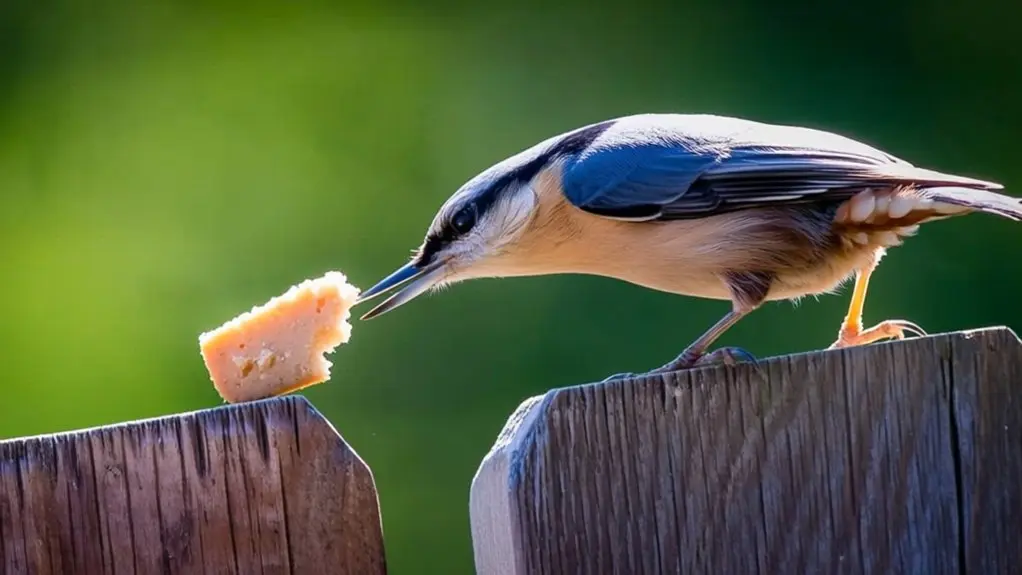
You can offer birds plain, unsalted digestive biscuits occasionally. But avoid sugary, salty, or heavily processed types since they can harm bird health by causing dehydration, malnutrition, and immune issues.
Biscuits lack essential nutrients and contain additives that disrupt digestion compared to natural foods like seeds and fruits. Crushed biscuits scattered sparsely help mimic foraging. However, relying on them risks nutritional deficiencies.
Understanding safer feeding practices will help you support wild birds’ well-being more effectively. So, it’s better to stick with natural foods most of the time.
Can Birds Eat Biscuits Safely?
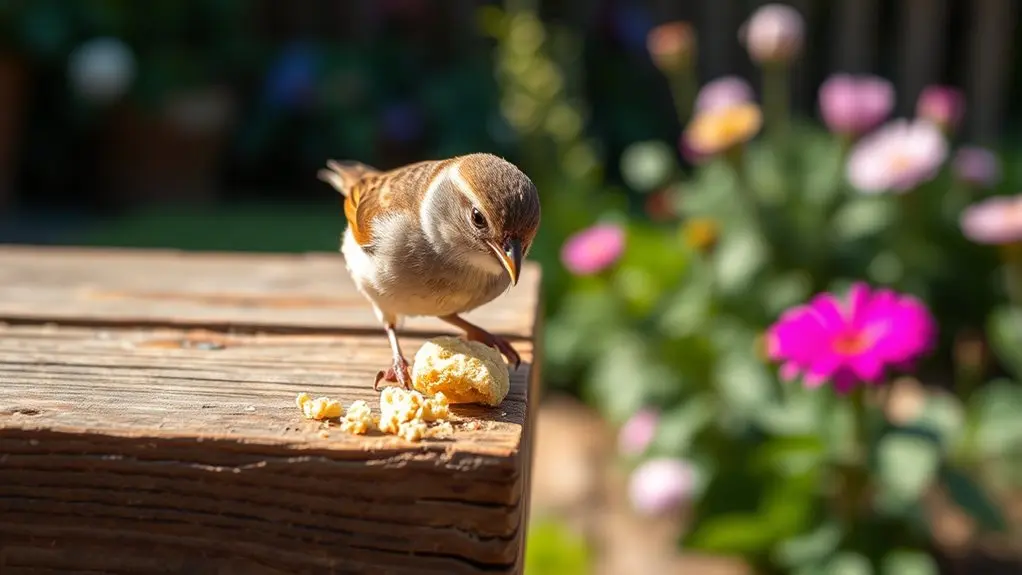
While birds can eat digestive biscuits safely in moderation, you should choose plain, unsalted varieties and avoid sugary or heavily processed options. Digestive biscuits provide a simple, readily available treat, but their nutritional value is low. So, they mustn’t replace a varied diet.
Offering small portions, like crushed biscuits scattered on the ground, encourages tame behavior in species such as robins by stimulating natural foraging.
You should keep an eye on feeding sites and remove any uneaten biscuit pieces promptly to prevent spoilage. This also helps reduce the risk of attracting pests or harmful bacteria.
Why Some Biscuits Can Harm Birds
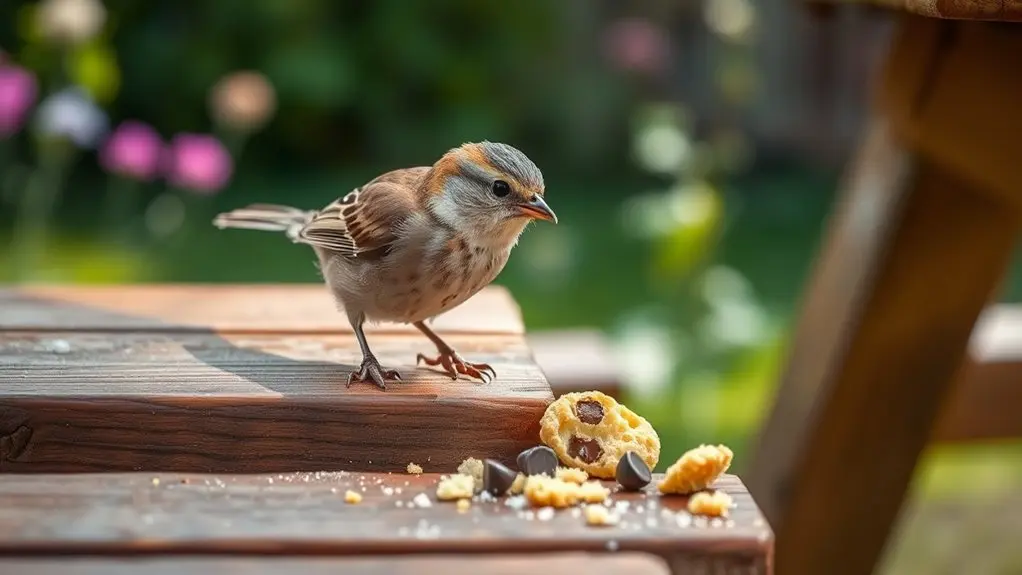
Because many biscuits contain high levels of sugar, salt, and artificial additives, feeding them to birds can pose significant health risks. These components disrupt a bird’s metabolic balance, potentially leading to dehydration and salt toxicity.
Biscuits made with processed ingredients often lack essential nutrients, which birds need for proper digestion and overall health. When you offer birds these biscuits regularly, preservatives and chemicals within can accumulate, causing toxic effects on their liver and kidneys.
Furthermore, consuming low-nutrient biscuits may lead to malnutrition, weakening their immune systems and making them more vulnerable to diseases. If you watch closely, you might notice signs like digestive distress or lethargy in the birds.
For these reasons, it’s really important to avoid biscuits that contain harmful additives. Instead, try to opt for natural or specially designed bird foods that support their health better.
Nutritional Differences: Biscuits vs. Natural Bird Food
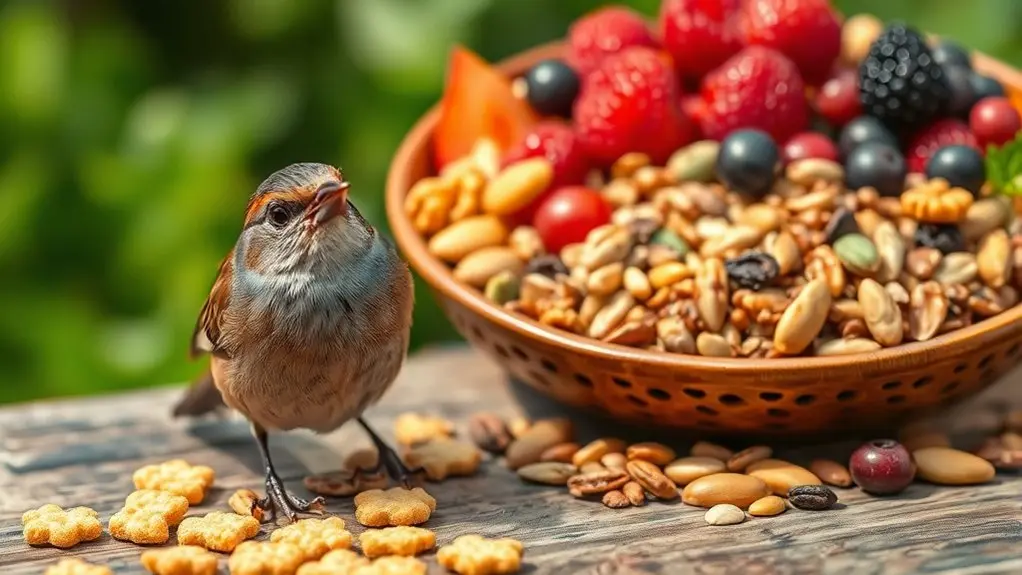
Although biscuits might seem like a convenient snack, they fall short of meeting the complex nutritional needs birds have compared to natural foods. When you compare biscuits to natural bird food, three key nutritional differences stand out:
- Nutrient Content: Natural seeds and insects supply essential fats, proteins, vitamins, and minerals *crucial* for birds’ energy and growth.
- Additives: Many biscuits contain high sugar, salt, and preservatives, which can disrupt birds’ metabolism and cause health problems if ingested regularly.
- Digestibility: Natural foods are rich in fiber and easier for birds to digest.
In contrast, biscuits often contain ingredients birds struggle to process, increasing the risk of malnutrition.
These disparities highlight why relying on biscuits can lead to poor health and nutritional deficiencies in birds over time. So, it’s better to stick with natural options for their well-being.
Better Bird Food Alternatives Than Biscuits
You’ll notice that birds really thrive on nutrient-dense foods like sunflower seeds and mealworms. These provide essential vitamins and minerals that biscuits just don’t have.
Plus, when you choose commercially prepared seed mixes, you’re cutting down on the risk of mold and harmful additives that are often found in biscuits.
Nutritional Value Comparison
When comparing nutritional value, biscuits fall short because they lack the essential vitamins, minerals, and proteins that birds need for ideal health. You’ll find that better alternatives deliver balanced nutrition that’s critical for various species.
Consider these options: sunflower seeds, suet balls, and mealworms provide proteins and fats necessary for energy and feather development. Whole grains like millet, oats, and nyjer offer complex carbohydrates and attract a wider variety of seed-eating birds.
Fresh fruits and vegetables supply crucial vitamins and hydration, promoting immune function and overall vitality. Unlike biscuits, commercial bird foods are scientifically formulated to meet birds’ dietary requirements, supporting longevity and robust health.
Safer Seed Options
Since birds need nutrient-dense and safe food sources, choosing seeds like sunflower, nyjer, millet, and oats is a way better option than feeding them biscuits. These seeds give them the essential nutrients that support their health and are popular with many bird species.
Seeds are also less likely to spoil or attract pests, which means fewer risks from mold or fungal growth that you often see with processed human foods.
Plus, high-quality natural seeds encourage birds to forage naturally and help promote a balanced diet.
Just keep in mind that some commercial mixes have filler seeds like wheat or too many oats, and birds might just ignore those because they don’t offer much nutrition.
Avoiding Harmful Ingredients
Although biscuits might seem like a convenient snack, their high levels of sugar, salt, and preservatives pose significant health risks to birds. You should avoid offering biscuits because they often contain artificial flavors, additives, and toxic ingredients like chocolate or certain nuts. These compounds can disrupt avian metabolism and cause poisoning.
Instead, focus on healthier, natural foods that meet birds’ nutritional needs. Consider these three safe alternatives:
- Unsalted seeds and nuts, rich in essential fats and proteins without harmful additives.
- Fresh fruits provide vitamins and hydration critical for energy and immune function.
- Vegetables supply fiber and minerals important for digestion and overall health.
Why Feeding Birds Too Many Human Snacks Can Hurt Them
When you feed birds too many human snacks like chips or cookies, they miss out on important nutrients that are essential for their health. These treats are usually loaded with salt, sugar, and unhealthy fats, which can really mess up their digestion and even cause damage to their organs.
Over time, this kind of diet throws off the balance their bodies need, making their immune systems weaker. Because of that, birds become more likely to get dehydrated and catch diseases.
Nutritional Deficiencies Risk
How does feeding birds too many human snacks like biscuits impact their health? When birds consume excessive biscuits, they risk developing nutritional deficiencies because these snacks lack essential nutrients. Here’s why it’s problematic:
Biscuits often contain high sugar, salt, and preservatives. These ingredients disrupt birds’ metabolic balance and can impair organ function. So, it’s not just empty calories—they can actually harm the birds inside.
Also, relying on these processed treats means birds miss out on natural, nutrient-rich foods. Those natural foods are critical for energy, growth, and keeping their immune system strong. Without them, birds can struggle to stay healthy.
A diet heavy in unhealthy snacks can cause digestive disturbances. It can also weaken immune responses, making birds more vulnerable to disease. Basically, feeding birds too many biscuits does more harm than good.
Harmful Ingredients Impact
Since many human snacks contain harmful ingredients, feeding birds too many processed biscuits can seriously damage their health. Biscuits often have high levels of sugar, salt, and preservatives, which birds aren’t adapted to process.
Consuming excessive salt or sugar can lead to dehydration, obesity, and metabolic disorders in birds.
Additionally, some biscuits contain chocolate or artificial sweeteners, both toxic to avian species.
When you offer these snacks instead of natural foods, you disrupt birds’ natural foraging behavior and dietary balance, increasing their risk of malnutrition.
Over time, these harmful ingredients accumulate, weakening their immune system and reducing survival chances.
To protect birds, it’s essential you avoid feeding them processed human treats and instead provide species-appropriate, nutrient-rich foods that support their health and natural habits.
It’s better to stick to what’s good for them rather than what’s convenient for us.
Tips for Feeding Birds Healthier Snacks at Home
Although offering biscuits might seem convenient, feeding birds healthier snacks at home requires careful selection and portion control to support their well-being. You should avoid high-sugar or salty biscuits, as these ingredients can harm birds.
Feeding birds healthier snacks means avoiding sugary or salty biscuits to protect their health.
Instead, consider these tips:
Offer small portions of crushed digestive biscuits occasionally, which are safer and easier for birds to consume. Use ready-made bird foods like sunflower seeds or suet-based products, providing balanced nutrition superior to biscuits.
Consistently place food in the same spot to encourage tameness and approachability, while regularly removing uneaten food to prevent mold and bacteria growth.
How to Encourage Wild Birds Without Using Biscuits
Moving beyond biscuits, you can attract wild birds by providing natural, nutrient-rich foods that closely match their dietary needs. Offering sunflower seeds, mealworms, and fresh fruits supports their energy and protein requirements.
Plus, planting native species like teasels and thistles supplies natural food and shelter. Clean water in birdbaths, regularly refreshed, encourages visits. Nesting boxes and shelters provide safe breeding sites, which helps boost local bird populations.
There are also commercial options like suet balls and nyjer seeds that offer balanced nutrition without processed treats. These choices make it easier to care for birds naturally and healthily.
| Food Type | Example | Benefit |
|---|---|---|
| Seeds | Sunflower, Nyjer | High energy, fat content |
| Protein | Mealworms | Supports muscle growth |
| Fruits | Berries, Apples | Vitamins, hydration |
| Plants | Teasels, Ivy | Natural food and habitat |
| Water & Shelter | Birdbaths, Boxes | Hydration and breeding support |
Summary: Feeding Birds Responsibly With Treats
When you feed birds treats like biscuits, choosing the right type and portion size is essential for their health and behavior. You want to offer small, crushed biscuit pieces to minimize choking risk and promote natural foraging behavior.
Here are three important guidelines to feed birds responsibly:
- Use wholegrain or seeded biscuits instead of processed white bread. White bread lacks nutritional value and can harm birds.
- Place treats consistently in the same spot. This helps birds recognize safe feeding zones and build trust in your presence.
- Remove any uneaten biscuits promptly to prevent attracting pests and reduce spoilage. This keeps the environment safe and clean.
Frequently Asked Questions
Can Baby Birds Eat Biscuits?
You shouldn’t feed baby birds biscuits because they lack essential nutrients and pose choking risks. Instead, provide soft, specialized foods like finely chopped insects or commercial formulas to guarantee healthy growth.
This helps avoid malnutrition or developmental issues. Feeding them the right stuff really makes a big difference in their health. So, stick to what’s safe and nutritious for those little birds!
Are Gluten-Free Biscuits Safe for Birds?
Gluten-free goodies generally grant gentle nourishment for birds, given grains like rice or oats are digestible. You should scrutinize ingredients carefully, avoiding additives, high salt, or sugars. This helps guarantee safe, sparing servings support their sensitive systems.
It’s always best to check what’s inside before offering anything new. Birds have delicate digestive needs, so keeping treats simple is key. Just a little goes a long way!
How Often Can I Give Birds Biscuits?
You should give birds biscuits sparingly, ideally no more than once or twice a week. Overfeeding can disrupt their nutrition, so observe their response and guarantee biscuits remain a minor, occasional supplement to their balanced diet.
Keep in mind, birds need a variety of foods to stay healthy. So, biscuits should just be a little treat now and then—not a main part of their meals. This way, you’re helping them stay happy and well-nourished.
Do Biscuits Attract Unwanted Pests to Bird Feeders?
Yes, biscuits attract unwanted pests like squirrels, rats, and mice because of leftover crumbs. You’ll often notice more pest activity around your feeders. This can lead to feeder damage and contamination risks.
To avoid this, make sure you clean your bird feeders regularly. Using squirrel-proof strategies can also help keep these pests away. It’s all about staying on top of maintenance to protect your feeders and the birds.
Can Birds Develop Allergies From Eating Biscuits?
You’d think birds could develop allergies from biscuits as easily as humans, but science shows it’s pretty rare.
Still, it’s a good idea to watch closely. Some additives might upset their digestion or cause mild reactions after they eat them a bunch of times.
Conclusion
Feeding birds biscuits is like offering a puzzle piece that doesn’t quite fit their natural diet. You might think you’re helping, but those sugary, salty treats can disrupt their nutritional balance and harm their health.
Instead, choose seeds, nuts, or fruit, which align with their biological needs. By observing their true dietary patterns and offering appropriate food, you’ll support their well-being and encourage natural behaviors. Feeding birds responsibly means nurturing life, not just filling a moment.