
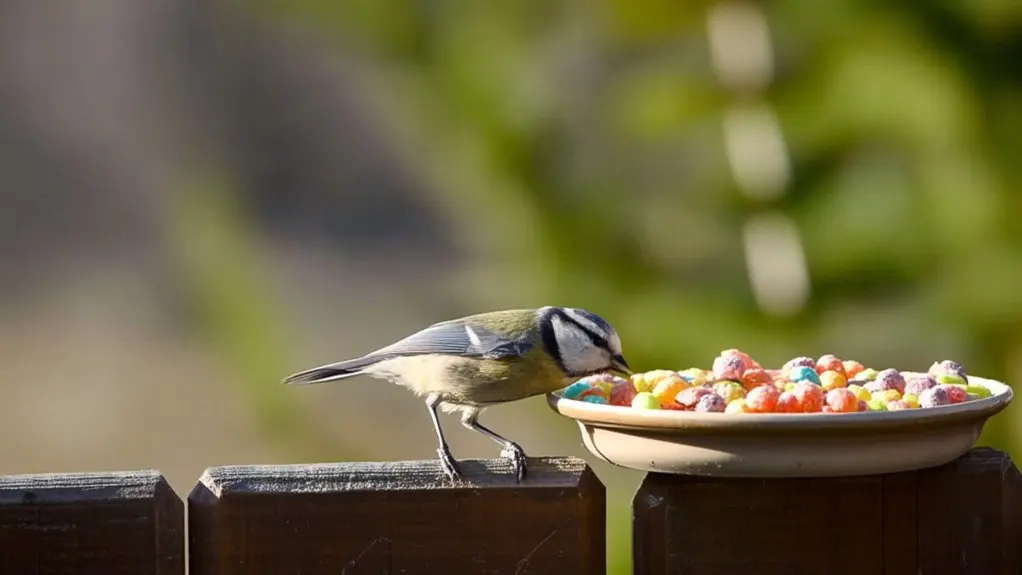
You shouldn’t feed birds cereal with sugar regularly because high sugar disrupts their metabolism and immune system. This can lead to obesity, diabetes, and organ damage.
Sugary cereals often contain harmful ingredients like corn syrup and artificial sweeteners that make these health risks even worse. Sugar also changes bird behavior, causing them to be hyperactive and then lethargic.
Instead, try natural, low-sugar foods like plain oats or seeds. Understanding these effects helps you protect your bird’s health and support their natural habits.
What Happens When Birds Eat Sugary Cereal?
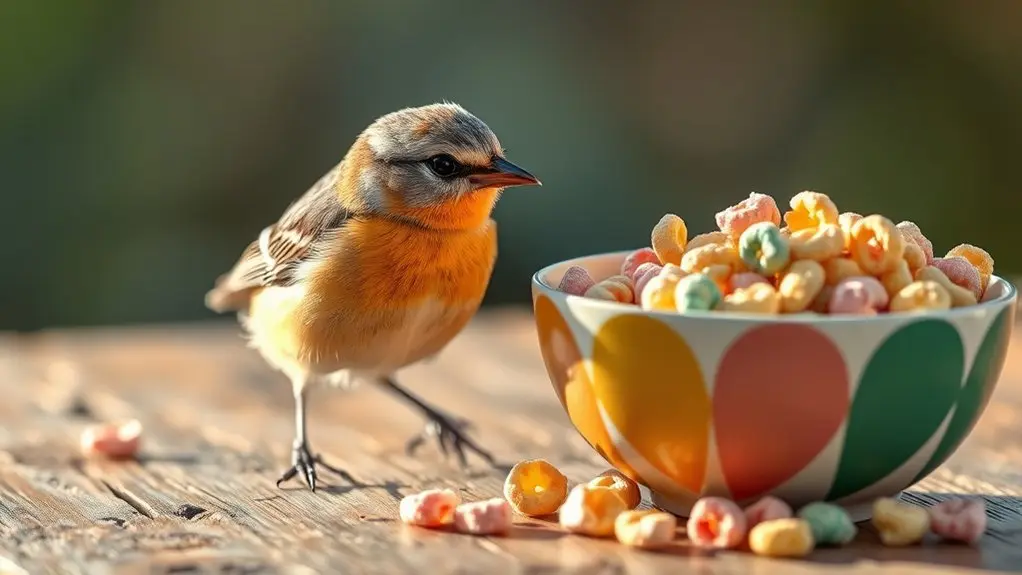
When birds consume sugary cereal, they quickly absorb high levels of sugar that can disrupt their metabolic processes and weaken their immune systems. This excessive sugar intake often leads to obesity and diabetes, conditions that severely impact avian health.
You’ll notice that birds may suffer from digestive upset and diarrhea, indicating impaired gut function.
Regular exposure to sugary cereals can cause addiction-like behaviors, making birds prefer these unhealthy foods over their natural diets. This shift not only decreases their nutritional balance but also increases the risk of dental issues and fatty liver disease.
Which Sugary Ingredients Are Harmful to Birds?
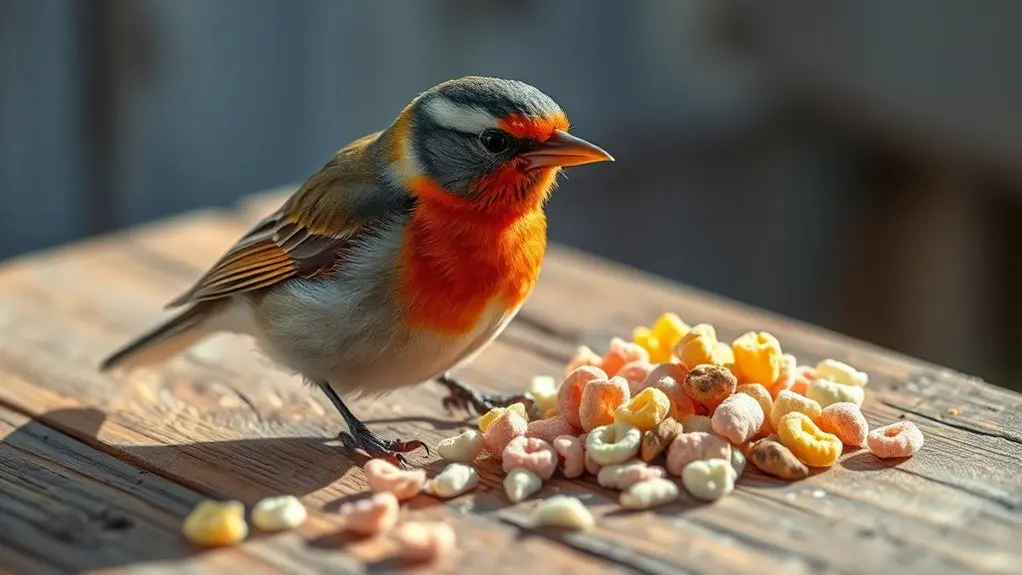
Although sugary cereals may seem harmless, certain ingredients within them pose serious health risks to birds. Sugary components like honey, corn syrup, and molasses contribute to obesity and diabetes in avian species.
Sugary cereals contain ingredients like honey and corn syrup that increase obesity and diabetes risk in birds.
Artificial sweeteners such as aspartame and saccharine are toxic and must be avoided entirely.
Excessive sugar content can promote yeast infections and fatty liver disease, which compromises organ function. Moreover, high sugar intake disrupts gastrointestinal health by causing upset and impairing nutrient absorption.
Many processed cereals contain added sugars and artificial flavorings that make these risks even worse.
How Does Sugar Affect Bird Health and Behavior?
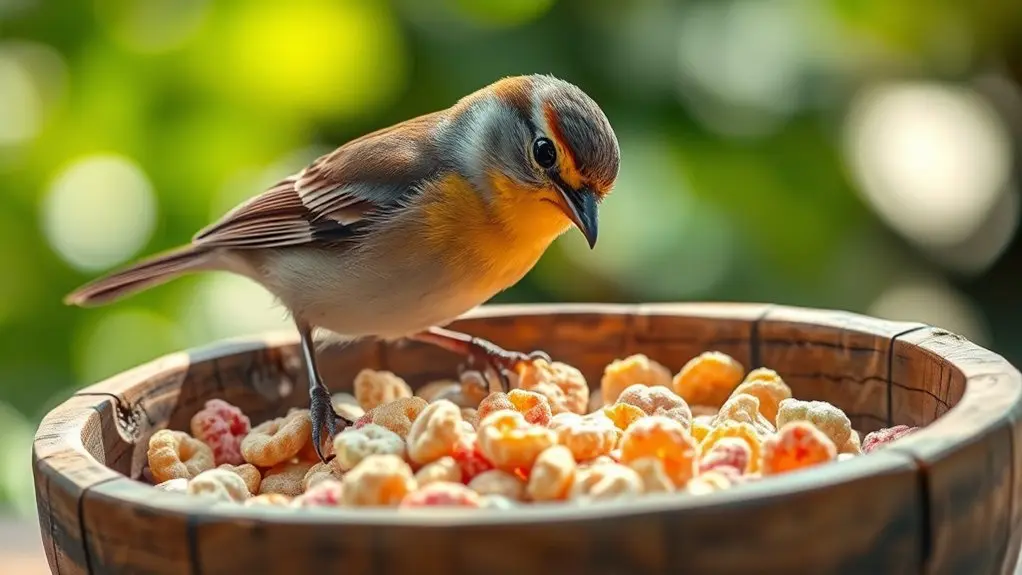
You’ll find that sugar really changes how a bird’s metabolism works, and not in a good way. It can lead to problems like obesity and insulin resistance.
Plus, sugar doesn’t just affect their body—it can mess with their behavior too. For example, birds might get hyperactive for a while, and then suddenly become very lethargic. This kind of up-and-down can throw off their normal activity patterns.
If sugar keeps showing up in their diet regularly, it can cause even bigger health issues over time. Things like fatty liver disease and other metabolic disorders become much more likely.
Sugar’s Impact On Metabolism
Because birds metabolize sugar differently than some other animals, consuming high amounts of sugar can seriously disrupt their health and behavior. When you feed birds sugary cereal frequently, it can lead to insulin resistance by disturbing their natural energy regulation.
This impaired insulin function may result in obesity, diabetes, and fatty liver disease, which compromise crucial organ health.
Sugary diets also promote yeast infections, weakening their immune system and making them more susceptible to illness. Over time, excessive sugar intake damages the liver and other organs, reducing a bird’s overall metabolic efficiency.
Behavioral Changes From Sugar
When birds consume excessive amounts of sugar, their behavior often changes in noticeable ways that reflect underlying metabolic disturbances. You’ll observe periods of hyperactivity as their blood sugar spikes, followed by fatigue and behavioral instability when levels drop.
This fluctuation disrupts their natural energy balance, causing dependency on sugary foods for quick energy.
Additionally, sugar intake can negatively affect digestive health, leading to diarrhea and impaired nutrient absorption. This further influences behavior due to discomfort or weakness.
These behavioral shifts are linked to metabolic issues such as obesity and insulin resistance that sugar promotes.
Understanding these changes helps you recognize that sugary treats can alter a bird’s normal activity patterns and well-being.
It really highlights the importance of monitoring and limiting sugar in their diet.
Long-Term Health Risks
The behavioral fluctuations caused by sugar consumption reflect deeper physiological changes that can escalate into serious long-term health issues for birds. When you feed birds sugary cereals, you expose them to risks such as obesity and insulin resistance, which can progress to diabetes.
Sugar also disrupts their digestive microbiome, promoting harmful yeast and bacteria growth. Over time, this leads to gastrointestinal problems and nutrient imbalances, undermining overall health.
Additionally, regular sugar intake may cause fatty liver disease and trigger allergic reactions or hyperactivity, disturbing natural feeding and social behaviors.
Key risks include:
- Obesity and diabetes development
- Energy crashes impacting activity
- Digestive infections from microbial imbalance
- Fatty liver disease reducing longevity
- Allergic reactions disrupting behavior
Avoiding sugary cereals helps you protect bird health and well-being effectively.
Are Some Sugary Cereals Safer for Birds?
When you’re picking out cereals for birds, it’s really important to watch the sugar content closely. Too much added sugar can lead to serious health issues for them.
Some cereals, like plain oats or unsweetened bran flakes, have little to no added sugar, making them much safer choices.
Sugar Content Impact
How does sugar content affect bird health when feeding cereals? High sugar levels in cereals can seriously harm birds, leading to obesity and metabolic disorders. Even cereals marked “low-sugar” may still pose risks if given frequently.
Excess sugar intake disrupts their delicate physiology and can cause yeast infections from sugar-fueled fungal growth. It can also lead to fatty liver disease due to fat accumulation in the liver. Diabetes linked to impaired glucose regulation is another concern.
Behavioral changes like hyperactivity or lethargy might show up too. Plus, nutritional imbalances can happen when sugar replaces essential nutrients in their diet.
Because of these risks, it’s vital to avoid cereals with high added sugars. Some cereals naturally contain less sugar, but repeated exposure to any sugar can still compromise your bird’s health.
Understanding sugar’s impact helps you make informed choices and protect your feathered friend from preventable diseases. So, keeping an eye on sugar content really makes a difference!
Safer Cereal Choices
Although most sugary cereals pose health risks to birds, some options with minimal sugar and whole-grain ingredients present safer occasional treats. You should always avoid cereals containing artificial sweeteners, honey, corn syrup, or malted barley extract, as these can harm birds. Checking labels for low sugar and absence of artificial colors, flavors, and preservatives is vital.
Here’s a comparison to help you choose safer cereals:
| Cereal Type | Sugar Content (per serving) | Key Considerations |
|---|---|---|
| Whole-grain, low-sugar | <5g | Safer, occasional treat |
| Highly sugared | >10g | Risk of obesity and health issues |
| Contains additives | Variable | Avoid due to toxicity/digestive risks |
Use this guide to make healthier choices when offering cereals to birds. It’s all about keeping your feathered friends safe and happy!
How Can You Feed Sugary Cereal to Birds Safely?
Since excessive sugar intake can cause obesity, diabetes, and other health issues in birds, feeding sugary cereal should be done sparingly and with caution. To feed sugary cereal safely, you must control portion size and frequency carefully.
Here are key guidelines:
Limit sugary cereal to occasional treats, not daily feedings. Offer only small amounts to minimize sugar exposure. Choose cereals without high fructose corn syrup, artificial sweeteners, or added sugars.
Supplement sugary treats with unsweetened, nutrient-rich foods to maintain balanced nutrition.
Observe birds closely for any adverse health reactions and stop feeding sugary cereal if issues arise. It’s always better to be safe than sorry when it comes to your feathered friends!
What Natural Alternatives to Sugary Cereals Can You Offer Birds?
When you want to provide birds with nutritious options that avoid the risks associated with sugary cereals, consider natural alternatives rich in essential nutrients. Unsweetened oats, millet, and cracked seeds offer carbohydrates and proteins without added sugars.
Fresh fruits like berries, apple slices, and grapes supply natural sugars alongside vitamins and antioxidants. Nutrient-dense nuts and seeds, such as sunflower and pumpkin seeds, provide healthy fats critical for energy and feather health.
Fresh fruits offer natural sugars and antioxidants, while nutrient-rich seeds provide essential healthy fats for energy and feathers.
Dried fruits, including unsweetened raisins or apricots, can be occasional treats but must be free from preservatives. Additionally, vegetables like carrots, peas, and leafy greens contribute dietary fiber, vitamins, and minerals essential for metabolic processes.
These alternatives guarantee a balanced, sugar-free diet that supports avian health and natural feeding behaviors. It’s a great way to keep birds happy and healthy without all the extra sugar.
How to Recognize and Prevent Bird Health Problems From Sugary Foods?
If you feed birds sugary cereals regularly, you increase their risk of developing serious health problems such as obesity, diabetes, and fatty liver disease. Recognizing early signs helps you intervene promptly. Look for feather plucking or poor feather condition, unexplained weight gain, diarrhea or digestive distress, reduced activity or lethargy, and behavioral changes like hyperactivity or loss of natural foraging.
To prevent these issues, choose unsweetened cereals and limit treats to small, occasional portions. It’s best to maintain a balanced diet rich in natural seeds, fruits, and vegetables. Monitoring your bird’s health regularly and avoiding excess sugar ensures long-term well-being.
This scientific approach minimizes risks linked to sugary foods. Plus, it supports natural behaviors and ideal physiological function in your bird.
Frequently Asked Questions
Can Baby Birds Safely Eat Cereal With Sugar?
You shouldn’t feed baby birds cereal with sugar because it disrupts their gut balance, causes nutrient imbalances, and increases risks like yeast infections.
It’s best to stick to natural, unsweetened foods for their healthy growth and development. That way, you’re giving them what they really need to thrive.
How Often Can Birds Have Sugary Cereal as a Treat?
How often should you give birds sugary cereal? Limit it to rare treats, ideally once every few weeks.
Frequent sugar intake risks obesity, diabetes, and digestive issues. So, it’s better to prioritize healthier options to keep your bird in peak health.
Are There Specific Bird Species More Affected by Sugary Cereals?
You’ll find that species like hummingbirds, woodpeckers, finches, and warblers are more affected by sugary cereals due to their delicate digestive systems and specialized diets.
On the other hand, larger omnivorous birds tend to tolerate sugar better. But even they still need moderation when it comes to sugary treats. It’s all about keeping their diet balanced.
Can Sugary Cereal Impact a Bird’s Breeding or Nesting Behavior?
Yes, sugary cereal can disrupt a bird’s breeding and nesting behavior by causing hormonal imbalances, energy fluctuations, and reduced motivation to forage for nutritious foods.
This can ultimately impair their reproductive success and make nest care less efficient.
What Signs Indicate a Bird’s Dislike of Sugary Cereal?
You’ll notice birds refusing to peck or consume sugary cereal, showing disinterest. Signs like fluffed feathers, restlessness, or digestive upset indicate discomfort. This usually means the bird dislikes sugary cereal.
Over time, if these signs keep appearing, it’s clear the bird consistently rejects sugary cereal. So, if your feathered friend seems off after trying it, they probably don’t like it. Just keep an eye on their behavior to be sure.
Conclusion
When feeding birds sugary cereal, remember that “you are what you eat” applies to them too. Excess sugar can disrupt their metabolism and behavior, leading to health issues. While some cereals may be less harmful, it’s best to limit their intake and opt for natural alternatives like seeds and fruits.
By understanding sugar’s effects and feeding responsibly, you help maintain birds’ well-being and prevent avoidable health problems effectively. So, think twice before offering sugary treats. Sticking to healthier options is always a better choice for our feathered friends.