
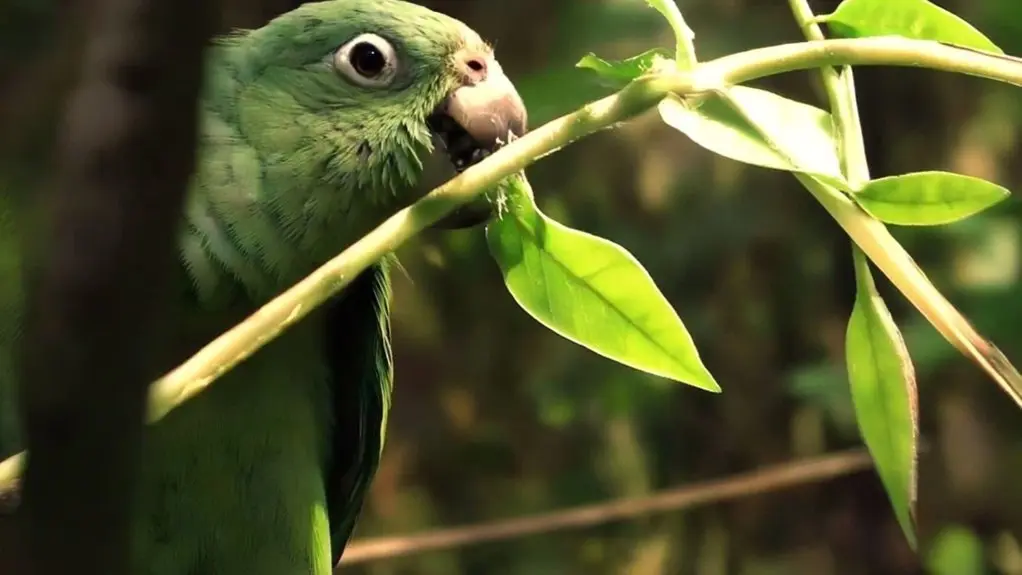
Yes, birds can eat certain fresh, non-toxic leaves safely. These leaves provide essential vitamins, minerals, antioxidants, and fiber that support their health and digestion.
Many species naturally consume leaves to supplement their diets, especially during food scarcity or breeding. But not all leaves are safe because some contain toxins that can be harmful to birds.
So, it’s important to choose leaves carefully, wash them properly, and watch for any adverse reactions. Understanding how birds consume leaves helps you support their nutritional and behavioral needs better.
Common Leaf-Eating Birds and Their Feeding Habits
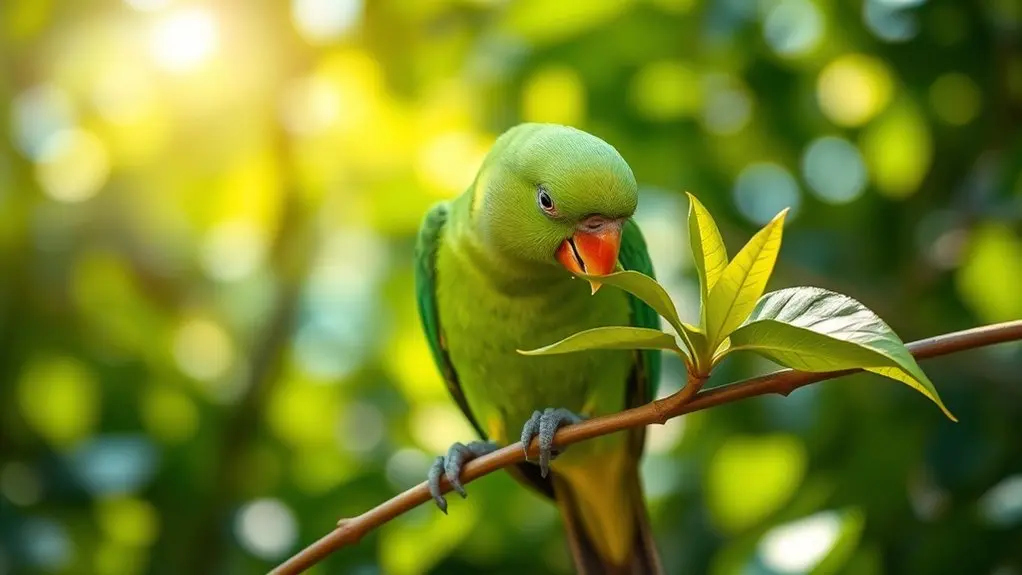
Although most birds don’t rely on leaves as a primary food source, many species interact with foliage in various ways. You’ll find that thrushes, tits, and robins primarily consume insects and molluscs but also occasionally feed on leaves.
Ground-feeders like pheasants may nibble on leaves, especially when other foods are scarce.
When you observe magpies and starlings, you’ll notice they peck at leaves not to eat them directly but to uncover insects or invertebrates hiding beneath.
Blackbirds sometimes peck at tender leaves or new shoots, particularly during breeding seasons.
Nutritional Benefits of Leaves for Birds
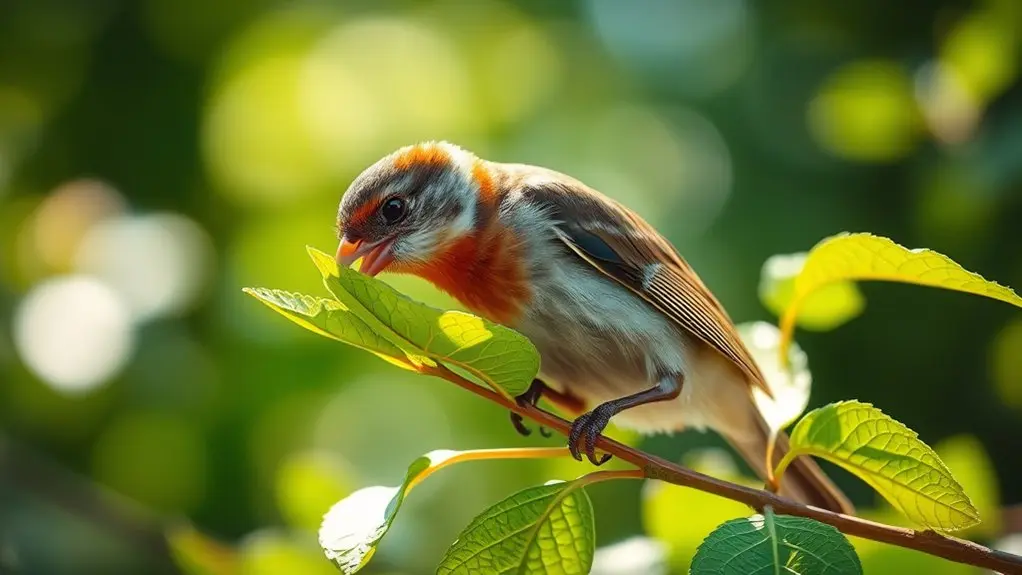
Why do some birds benefit from eating leaves? Leaves like curry leaves provide essential nutrients such as calcium, iron, and vitamins A, B, C, and E. These nutrients support birds’ physiological functions and keep them healthy.
Some birds benefit from eating leaves like curry leaves, which supply vital nutrients for their health.
When you include bird-safe leaves in their diet, you boost their immune system, digestion, and overall well-being. This happens because of the antioxidants and bioactive compounds found in the leaves.
These nutrients also promote healthy skin, vision, and reproductive health.
However, you must prepare leaves properly. Avoid spices or chemicals that could harm birds.
It’s important to offer leaves in moderation since eating too much might cause digestive issues or nutrient imbalances.
Are All Leaves Safe for Pet Birds to Eat?
When selecting leaves for your pet birds, you must recognize that not all leaves are safe to consume. Certain plant species, such as oak, ivy, and rhododendron, contain toxins that can cause severe harm or even death in birds. You should avoid offering these leaves under any circumstances.
On the other hand, leaves from herbs like basil, parsley, and mint or non-toxic trees such as apple and cherry are generally safe and beneficial. It’s really important to accurately identify the plant species before feeding leaves to your birds.
Also, leaves contaminated with pesticides, herbicides, or other chemicals pose significant health risks. So, always confirm the leaves come from safe, untreated sources to protect your pet bird’s health effectively.
Careful selection minimizes the risk of toxicity and supports their nutritional needs.
How to Identify Toxic Leaves for Birds
Ensuring your pet bird’s safety involves more than just choosing leaves from known safe plants. It requires the ability to identify toxic leaves accurately. Many common garden and ornamental plants contain harmful compounds like solanine, oxalates, or cardiac glycosides that can poison birds.
To prevent ingestion, you should research plant species carefully. Use reliable identification tools, and consult veterinary resources. Some toxic leaves resemble safe ones, so precision is key.
Generally, avoid letting birds eat unfamiliar leaves, especially from known toxic plants.
| Plant Type | Toxic Compound |
|---|---|
| Tomato leaves | Solanine |
| Potato leaves | Solanine |
| Rhubarb leaves | Oxalates |
| Yew leaves | Taxines (fatal) |
| Oleander leaves | Cardiac glycosides |
Introducing Leaves Safely to Your Bird’s Diet
You should start by picking leaves that are safe and free from toxins. Make sure to avoid any kinds that could be harmful to your bird.
Then, introduce these leaves little by little. Offer small amounts at first so you can keep an eye on how your bird’s digestion responds.
Choosing Safe Leaf Types
Although introducing leaves into your bird’s diet can provide essential nutrients, selecting only non-toxic varieties is crucial for their safety. Choose leaves known to be safe for birds, such as curry leaves, dandelion greens, and parsley.
Avoid any leaves from toxic plants, including ivy, yew, and rhubarb, which pose serious health risks.
Always wash leaves thoroughly to remove pesticides, dirt, and contaminants before feeding. Confirm the leaves are fresh and free from mold or decay, as spoiled greens can cause illness.
While selecting safe types is important, monitor your bird’s response carefully after offering new leaves to detect any adverse reactions quickly.
This approach minimizes risk and supports your bird’s nutritional well-being through a carefully managed diet.
Gradual Leaf Introduction
When introducing new leaves to your bird’s diet, start gradually by offering small amounts, typically 5 to 10 leaves. This way, you can carefully monitor how your bird reacts. It’s a cautious approach that helps you spot any digestive or allergic issues early on.
Always wash leaves thoroughly to get rid of dust, pesticides, and other contaminants. Fresh, raw leaves are the best choice because they offer great nutrition and are easier for your bird to digest.
Make sure to include leaves as part of a balanced diet with pellets, fruits, and vegetables for complete nutrition.
Keep these points in mind: watch your bird closely after the first feedings for any signs of upset. You might need to adjust the amount or type of leaves depending on how your bird handles them.
Also, keep variety in the diet to support overall health and avoid boredom.
How to Spot If Leaves Are Making Your Bird Sick
If your bird consumes leaves, closely monitor its behavior and physical condition for signs of adverse reactions. Watch for digestive symptoms such as diarrhea or vomiting, which may indicate gastrointestinal distress.
Note any decrease in activity or lethargy, as these behavioral changes often signal discomfort or illness.
Monitor for reduced activity or lethargy, as these signs often indicate your bird may be unwell.
Inspect your bird for allergic reactions, including swelling, puffiness, or respiratory difficulties like labored breathing. Also, keep an eye on changes in fecal output. Alterations in consistency, color, or odor can suggest underlying health issues.
If you detect any abnormal behavior or physical symptoms, promptly remove the leaves from your bird’s diet to prevent further harm. Early identification of these signs is critical to ensuring your bird’s safety and well-being after eating leaves.
How Birds Digest Leaves and Plant Material
Because birds rely on a unique digestive system to process plant material, including leaves, understanding their mechanisms is essential. You’ll find that birds use specialized adaptations to efficiently break down tough plant fibers.
Their gizzards mechanically grind fibrous tissues, aiding digestion.
Additionally, certain enzymes produced in their digestive tracts help break down cellulose, the primary component of plant cell walls. These adaptations vary among species, reflecting their dietary habits.
Key points to evaluate:
- Gizzards act as muscular grinders, compensating for the absence of teeth.
- Enzymes targeting cellulose facilitate the breakdown of tough plant material.
- Nutrient absorption from leaves provides essential vitamins, minerals, and antioxidants.
Best Leaves to Feed Pet Birds Like Cockatiels
Although cockatiels primarily consume seeds and pellets, incorporating certain leafy greens into their diet can really boost their nutritional intake. You can safely offer spinach, kale, and dandelion leaves since they provide essential vitamins and minerals your bird needs for good health.
Fresh herbs like parsley and cilantro add flavor and nutrients too, but it’s best to give them in moderation. Curry leaves are another safe option; they supply vitamins A, B, C, and E when fed sparingly.
Just make sure to wash these leaves thoroughly to get rid of any pesticides, dirt, or bacteria before feeding.
And definitely avoid toxic leaves such as ivy, rhododendron, or oleander because they can cause poisoning.
Why Wild Birds Eat Leaves: Natural Behaviors
You’ll notice that wild birds eat leaves mostly to get the nutrients they need and to adjust when food changes with the seasons.
For example, certain species like thrushes and blackbirds have their own unique ways of eating leaves that help with digestion and staying hydrated.
When you understand these habits, it’s clear that eating leaves is an important part of how they naturally find food.
Nutritional Needs Fulfillment
How do wild birds meet their complex nutritional requirements in challenging environments? They often incorporate leaves into their diet to obtain essential nutrients not readily available in other food sources. Leaves supply essential vitamins, minerals, and antioxidants that support physiological functions.
Plus, foliage provides dietary fiber that’s fundamental for digestive health and gut regulation. Birds instinctively consume leaves during times of food scarcity to maintain their energy and nutrient balance.
Key nutritional benefits of leaf consumption include:
- Supplementing diets with vitamins and minerals necessary for metabolic processes
- Providing antioxidants that protect cells from oxidative stress
- Delivering fiber that enhances digestion and supports gut microbiota
This natural behavior shows how birds adapt to fulfill their dietary needs and sustain overall health in diverse ecological conditions. It’s pretty impressive how they manage to stay healthy no matter what’s around!
Seasonal Food Availability
Wild birds adjust their diets based on seasonal variations in food availability, often turning to leaves when preferred sources become scarce. During winter months, when seeds, fruits, and insects decline, birds consume leaves to meet their nutritional needs.
You’ll notice species like finches and thrushes pecking at leaves to extract hidden insects or sap, indirectly accessing essential nutrients.
Additionally, birds nibble on leaves to ingest compounds like tannins, which help with digestion and detoxification. This seasonal leaf consumption reflects an adaptive behavior shaped by ecological pressures rather than preference.
Understanding this natural dietary shift helps you appreciate how birds maintain nutrient balance during harsh conditions by exploiting available plant materials. It really highlights the dynamic relationship between food availability and avian foraging strategies.
Leaf-Eating Species Behavior
Although many birds primarily consume seeds and insects, numerous species naturally incorporate leaves into their diets to fulfill specific nutritional and physiological needs. You’ll find that wild birds like finches and thrushes supplement their nutrients by eating leaves, especially during critical periods such as nesting or migration.
Leaf consumption can aid digestion, detoxify the system, and provide essential vitamins and minerals.
For example, the Greenfinch actively pecks at leaves and buds to support its physiological demands.
Consider these reasons why wild birds eat leaves:
- To obtain specific vitamins and minerals absent in other food sources
- To regulate gut health and enhance digestive efficiency
- To counteract toxins and maintain metabolic balance during growth or stress
Understanding these behaviors reveals the adaptive strategies birds use to survive. It’s pretty fascinating how they manage their diets to meet their changing needs!
Frequently Asked Questions
Can Birds Get Allergic Reactions From Eating Certain Leaves?
Yes, birds can get allergic reactions from eating certain leaves. You should watch for symptoms like itching, swelling, or respiratory issues.
Introducing new leaves gradually helps you identify any adverse responses safely and accurately. This way, you can keep your bird healthy and happy without any surprises. Just take it slow and pay close attention!
Do Leaf-Eating Birds Require Special Beak Care?
Yes, leaf-eating birds require special beak care to prevent overgrowth and damage. You should provide natural abrasive materials and monitor their diet closely to guarantee their beaks remain healthy and functional. This helps avoid veterinary issues.
Keeping an eye on their beak condition is really important. It’s all about making sure they can eat properly and stay comfortable. So, a little extra care goes a long way!
How Often Should Leaves Be Included in a Bird’s Diet?
You should include leaves in your bird’s diet a few times per week, monitoring their response carefully. Rotate leaf types to prevent nutrient imbalance and digestive issues. This helps ensure you provide balanced nutrition tailored to your bird’s species.
It’s all about finding what works best for your feathered friend. Keep an eye on how they react and adjust as needed. That way, you’ll keep them happy and healthy!
Can Leaf Consumption Affect a Bird’s Droppings Color or Texture?
Yes, leaf consumption can alter your bird’s droppings color and texture. Leaves high in chlorophyll may darken droppings. On the other hand, toxic or indigestible leaves might cause abnormal consistency or mucus.
These changes can signal digestive issues you should monitor carefully. So, keep an eye on your bird if you notice anything unusual after it eats leaves.
Are Dried or Powdered Leaves Safe for Birds to Eat?
Think of dried leaves as ancient scrolls, valuable but delicate. You can safely feed your bird these scrolls only if they’re free from toxins, mold, and additives.
Give them in moderation to avoid digestive disturbances. It’s all about keeping your bird happy and healthy!
Conclusion
Just like leaves nourish a tree, safe, well-chosen leaves can enrich your bird’s diet and support its health and vigor. However, not all leaves are harmless. Some carry hidden toxins, kind of like shadows beneath a forest canopy.
By understanding which leaves are safe and introducing them carefully, you help your feathered friend thrive naturally. It’s a good idea to watch how they digest the leaves and pay attention to their behavior. This way, you keep the balance just right and build a harmonious relationship between your bird and its leafy nourishment.